 en
 Türk
 русский
Home / News and Blog / Industry News / Subplate Mounted Valves: The Hydraulic Control That Bolts to the Manifold

Industry News
Nov 06,2026
Subplate Mounted Valves: The Hydraulic Control That Bolts to the Manifold
A subplate mounted valve is a hydraulic directional, pressure, or flow control valve that bolts onto a machined subplate instead of into the line. The subplate carries the ports, the passages, and the mounting pattern. The valve mounts on top with the four bolts and the O-rings, and the hydraulic connections are made through the subplate, not through the pipe fittings on the valve body.
That arrangement changes the installation, the service, and the system design. For the machine builder and the hydraulic system integrator, the subplate mounted valve is the standard way to build a compact, serviceable hydraulic control block.
The Mounting Pattern Is the Interface
The valve mounts to the subplate through a standardized port pattern. The ISO, the CETOP, the NFPA, and the DIN patterns define the port locations, the bolt holes, and the flow paths. The subplate is drilled and machined to that pattern, and the valve bolts on with the four screws.
A subplate mounted valve with the correct pattern matches the subplate and the manifold. The wrong pattern does not line up, and the ports do not connect. The pattern is the first spec the buyer checks.
The Subplate Carries the Ports
The subplate is the block that holds the ports and the internal passages. It bolts to the machine frame or the manifold, and the pipe or the hose connects to the subplate, not to the valve. The valve sits on top and the flow passes through the subplate passages.
The subplate mounted valve with the right subplate ports makes the installation clean. The pipe connections are made once, on the subplate, and the valve can be removed and replaced without touching the piping.
The Service Without the Line Drain
The valve can be removed from the subplate without draining the system. The check valves or the shut-off in the subplate hold the fluid, and the valve comes off with the four bolts. The subplate mounted valve that can be swapped in the minutes keeps the machine running.
That is the practical reason the arrangement exists. The valve that fails is replaced without the pipe work and without the fluid loss.
The O-Rings and the Sealing
The valve seals to the subplate through the O-rings seated in the counterbores on the valve face or the subplate face. The O-rings have to hold the pressure and resist the fluid. The subplate mounted valve with the proper O-ring material and the correct compression seals without the leak.
Here is what a subplate mounted valve has to deliver:
- Standard mounting pattern matched to the subplate
- Subplate ports sized for the flow and the pressure
- Service without the line drain
- O-rings matched to the fluid and the pressure
- Bolt pattern and the torque spec
- Valve function matched to the circuit
Where the Valve Goes
The machine tool uses the subplate mounted valve for the hydraulic axis control. The press uses it for the pressure and the direction control. The mobile equipment uses it for the compact manifold. The test stand uses it for the serviceable control block.
The Valve That Leaks at the O-Ring and the Subplate That Does Not Match
The valve leaks at the O-ring because the material was wrong or the compression was insufficient. The subplate mounted valve with the right O-ring seals. The valve does not fit the subplate because the pattern was wrong. The standard pattern matched to the subplate prevents it.
A subplate mounted valve bolts to the manifold and controls the flow. The pattern, the subplate, and the O-rings decide the installation. Choose a valve with the standard pattern and the proper sealing.
RELATED PRODUCTS
-
Low Power Solenoid Valve
-
Low Power Electro-Hydraulic Valve
-
Solenoid Directional Control Valve
-
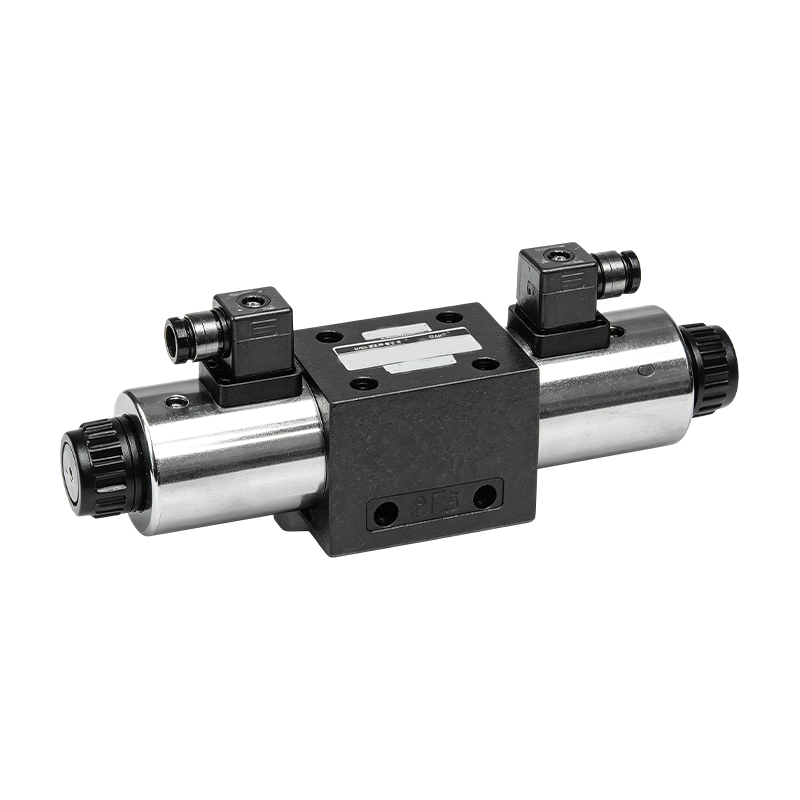
Rexroth Type Solenoid Directional Control Valve
-
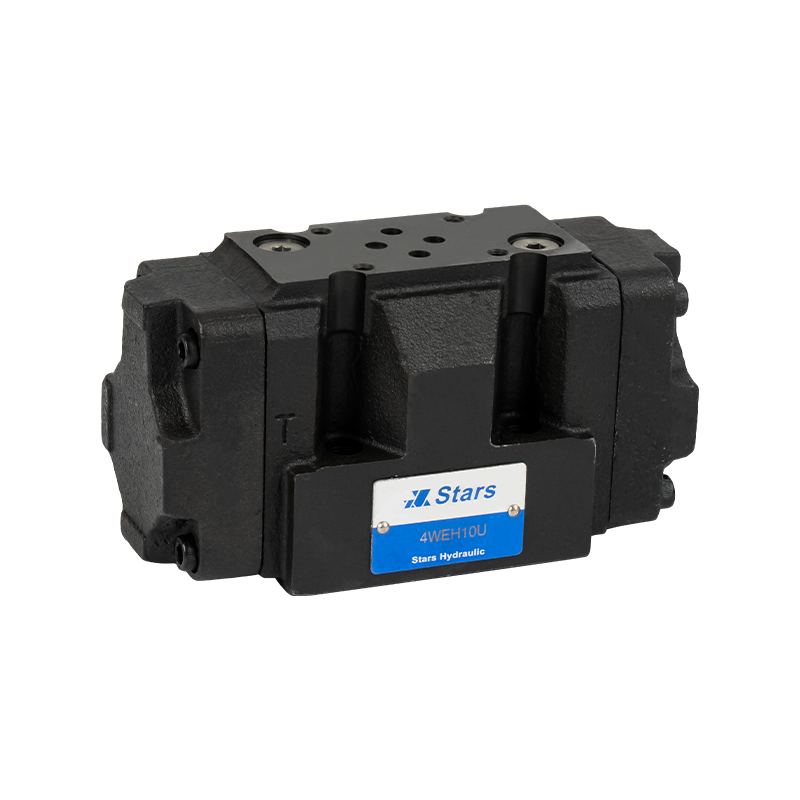
Electro-Hydraulic Directional & Proportional Control Valve
-
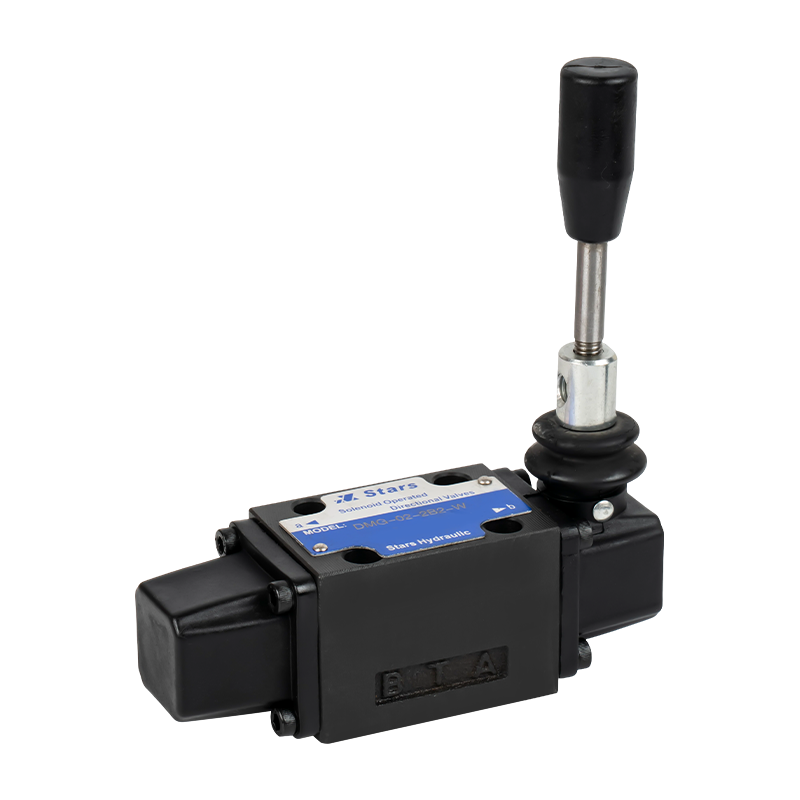
Manual Directional Control Valve
-
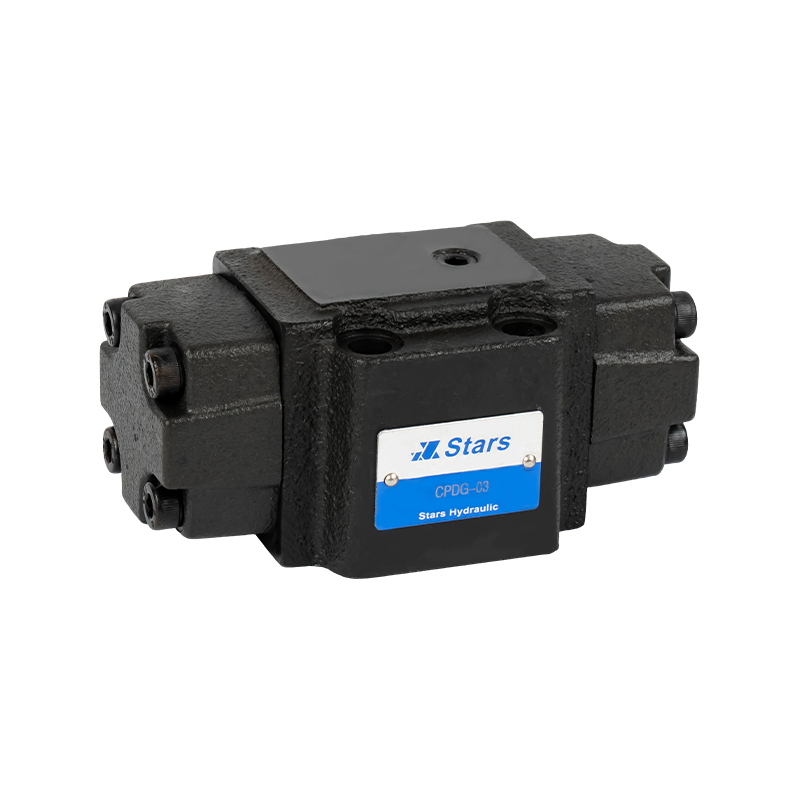
Pilot Operated Check Valve
-
Inline Check Valve
-
Angle Check Valve
-
Remote Controlled Relief Valve
-
Subplate Mounted Relief Valve
-
Subplate Solenoid Relief Valve
Get In Touch
Follow Us
Quick Links
Product Category
Contact Us
- Phone: +86-18067156069
- Landline: +86-574-86458993
- E-mail: leee@startshydravlic.com
Copyright © Ningbo Stars Hydraulic Co., Ltd. All Rights Reserved.
