 en
en Home / News and Blog / Company News / A Simple and Easy-to-Follow Guide to Installing Threaded Cartridge Valves

Company News
Mar 24,2023
A Simple and Easy-to-Follow Guide to Installing Threaded Cartridge Valves
Threaded cartridge valves are commonly used control valves in hydraulic and pneumatic piping systems. The installation process is relatively simple and can be completed by following the steps below.
Step 1: Preparation. Before beginning the installation of a threaded cartridge valve, check that the piping system and related valve components are in good condition, and prepare the necessary tools and materials. If modifications or retrofits to the piping system are required, complete the corresponding design and preparatory work in advance.
Step 2: Select the appropriate threaded cartridge valve. Choose the appropriate model and specifications based on the piping system’s requirements. When selecting, consider parameters such as flow rate, pressure, and medium, and choose the appropriate valve material and type based on these needs.
Step 3: Prepare the piping system. Before installing the threaded cartridge valve, drain the medium from the piping system and clean it to ensure the system is clean and free of contaminants.
Step 4: Install the threaded cartridge valve. Install the threaded cartridge valve at the appropriate location in the piping system, using suitable tools and thread sealant to secure the valve to the pipe. During installation, pay attention to the valve’s orientation and flow direction to ensure that the valve’s opening direction aligns with the flow direction of the piping system.
Step 5: Connect to the power source or pressure source. Connect the threaded cartridge valve to the power source or pressure source, and perform the necessary commissioning and testing. Pay attention to safety during commissioning to avoid hazards caused by improper operation.
Step 6: Inspect and test. After installation is complete, inspect and test the piping system and the threaded cartridge valve to ensure they are functioning properly. Pay attention to safety and protect the valve during testing.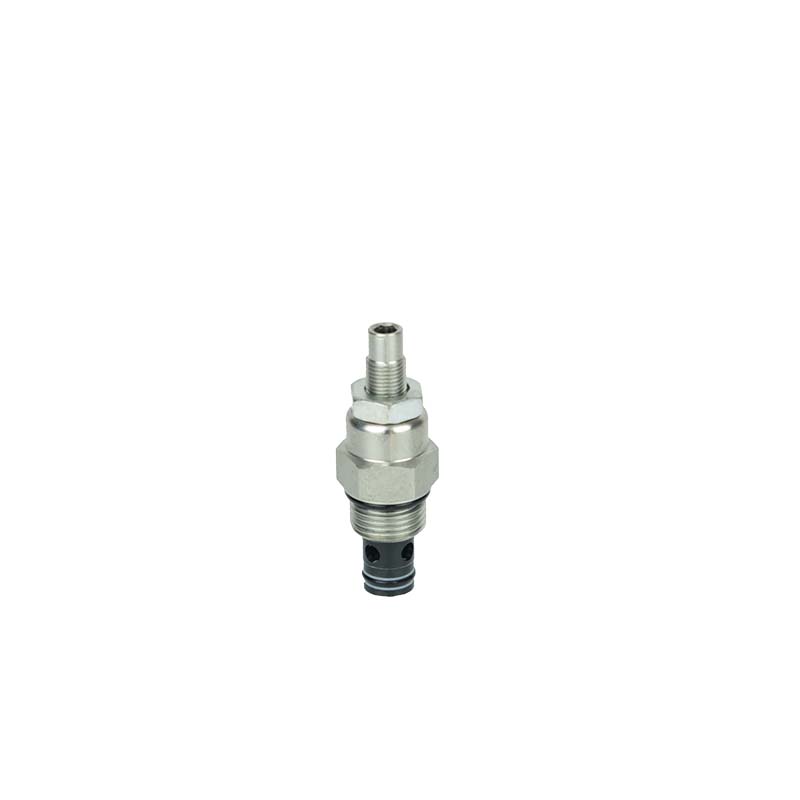
RELATED PRODUCTS
-
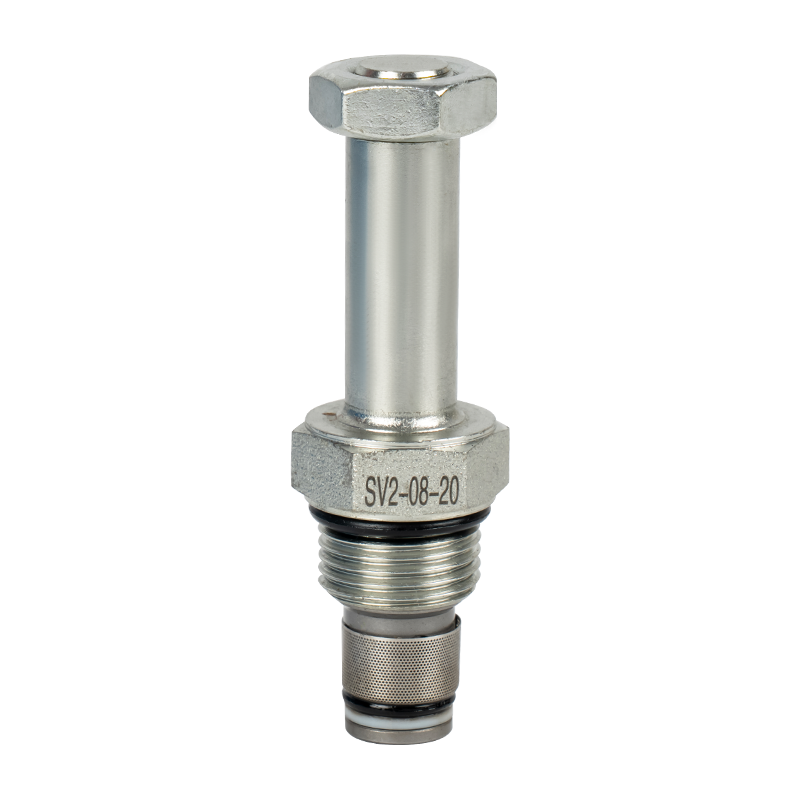
2-Way 2-Position Hydraulic Solenoid Cartridge Valve
-
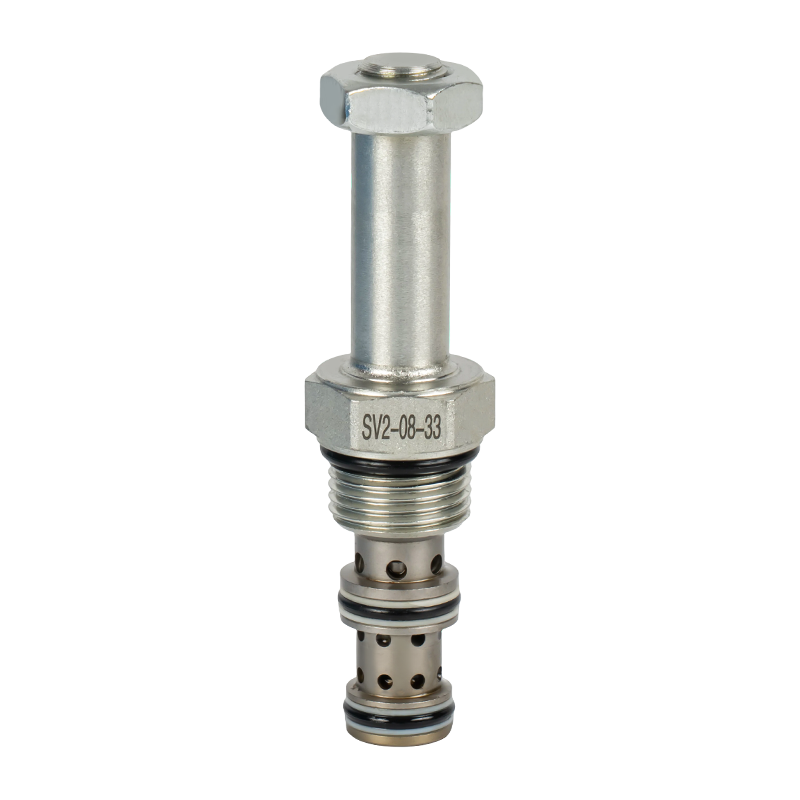
3-Way 2-Position Hydraulic Solenoid Cartridge Valve
-
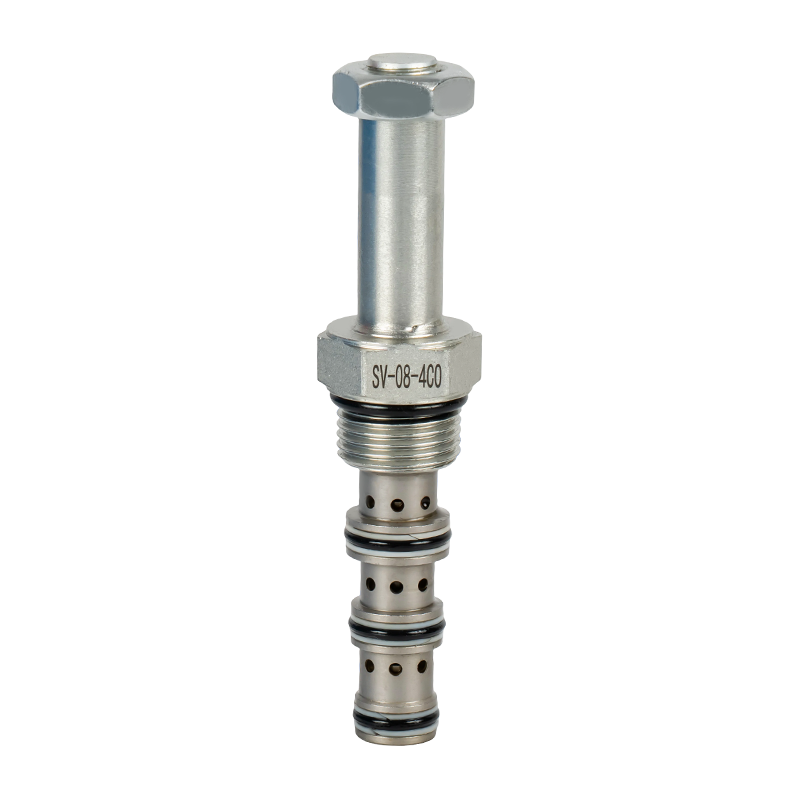
4-Way 2-Position Hydraulic Solenoid Cartridge Valve
-
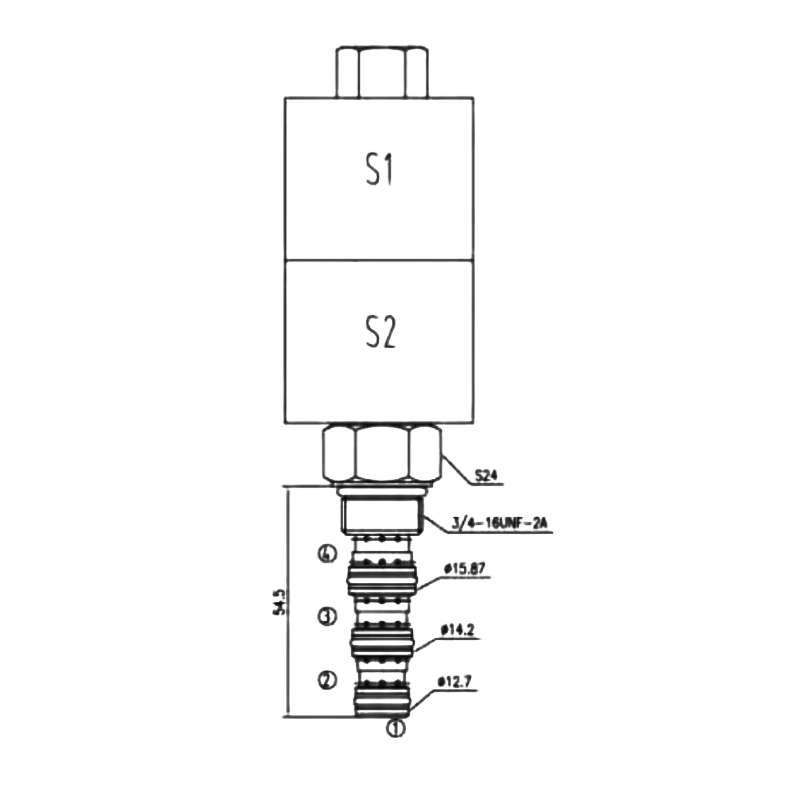
4-Way 3-Position Hydraulic Solenoid Cartridge Valve
-
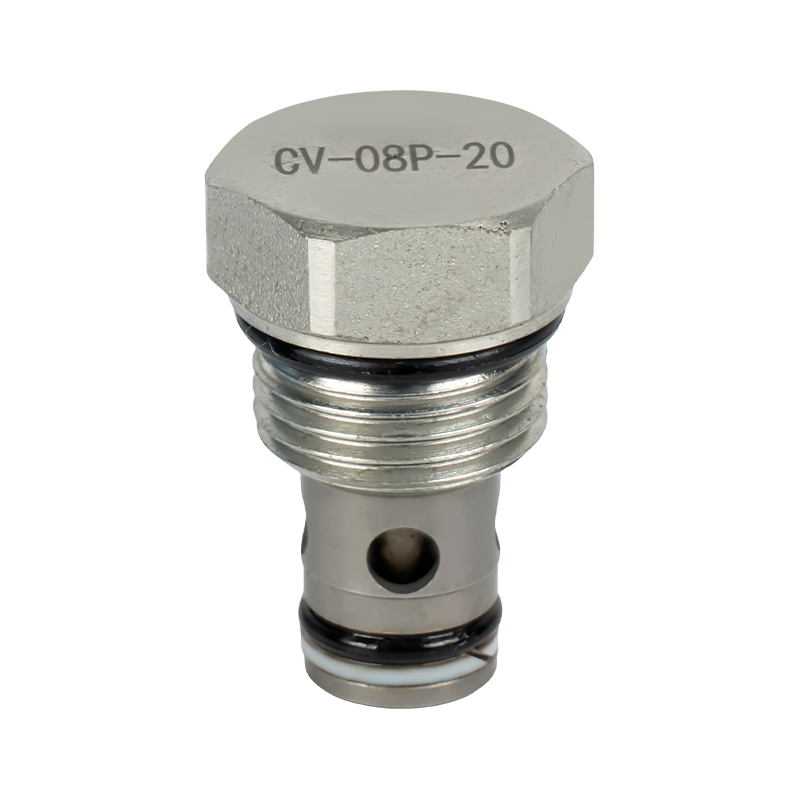
Hydraulic Cartridge Check Valve
-
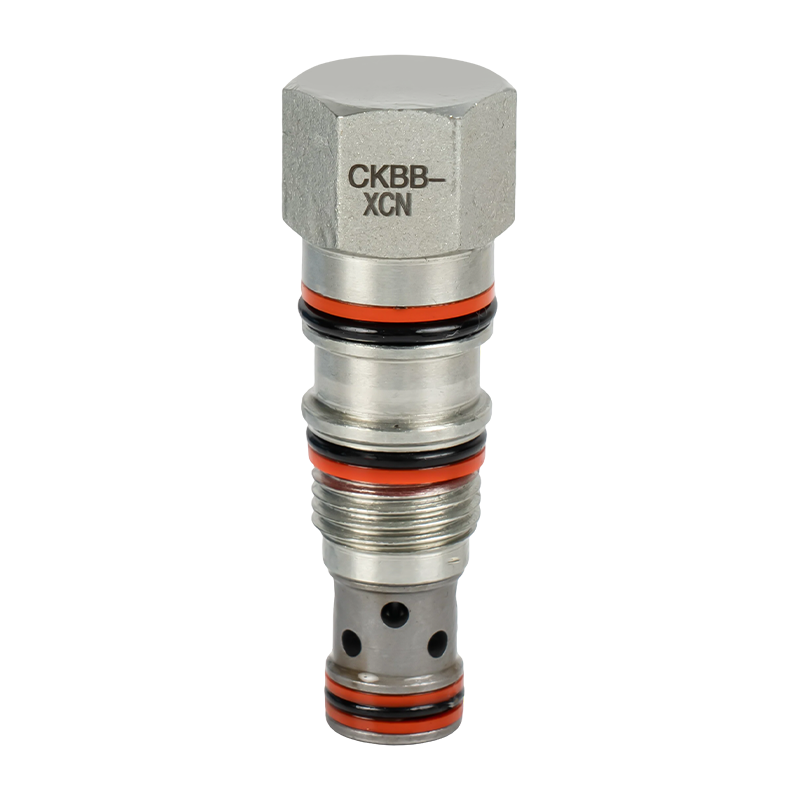
Hydraulic Pilot Operated Cartridge Check Valve
-
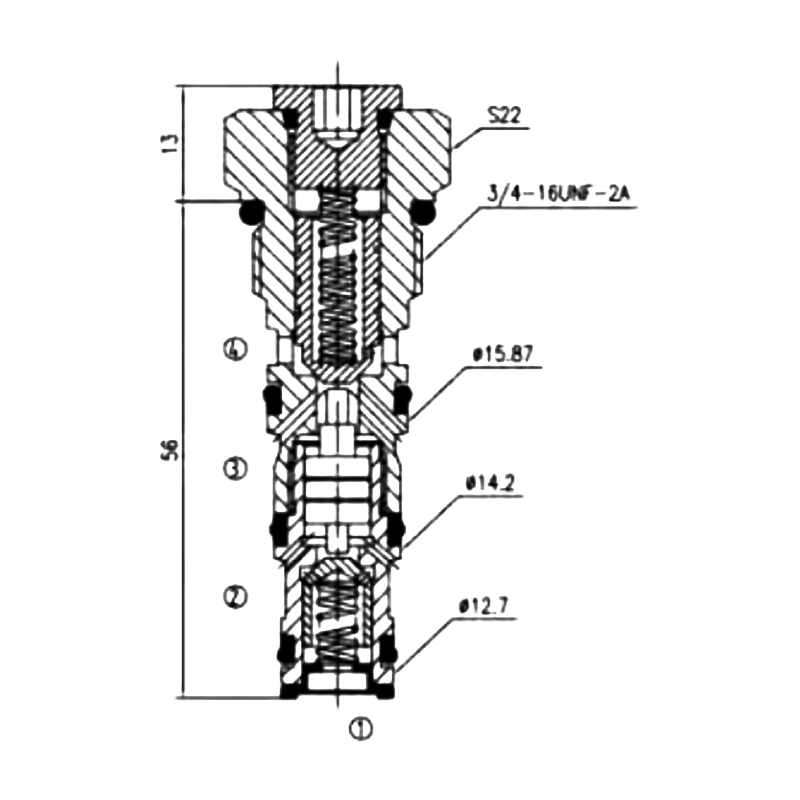
Dual Pilot Operated Check Valve
-

Hydraulic Cartridge Shuttle Valve
-
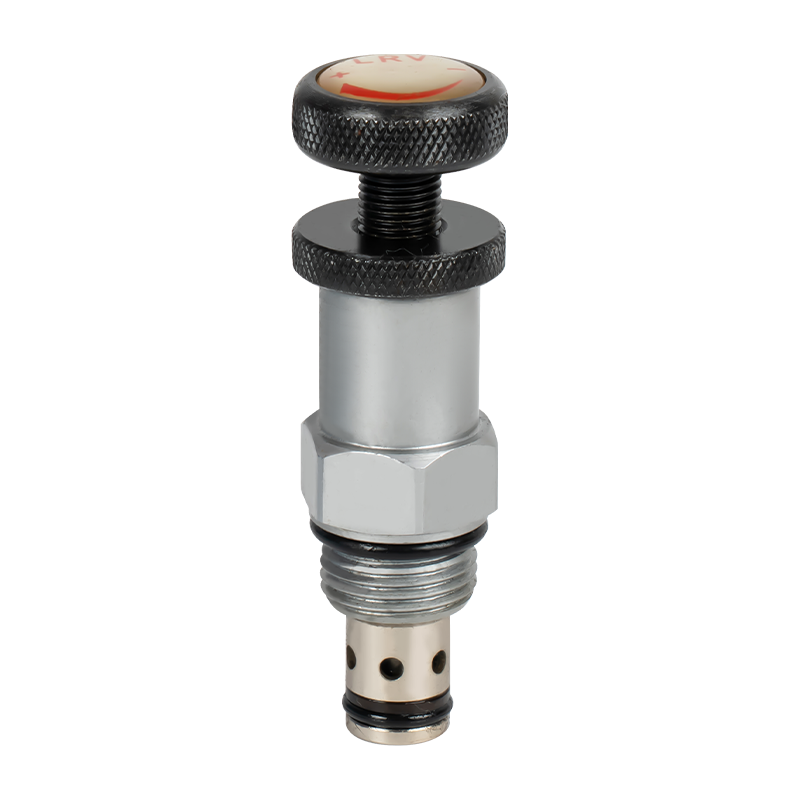
Direct Acting Poppet Relief Valve
-
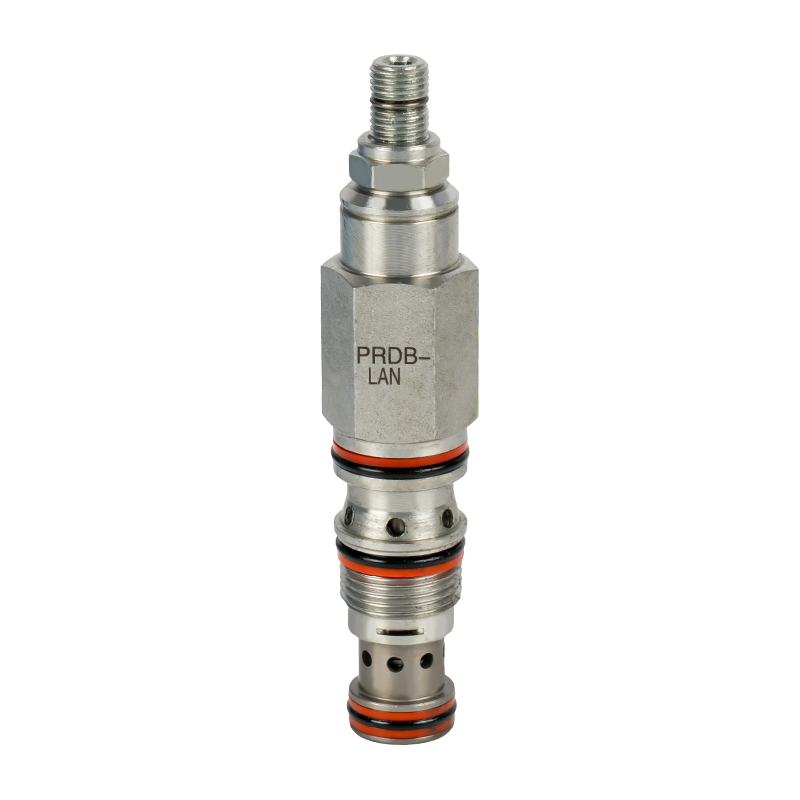
Pilot Operated Spool Pressure Reducing Valve
-
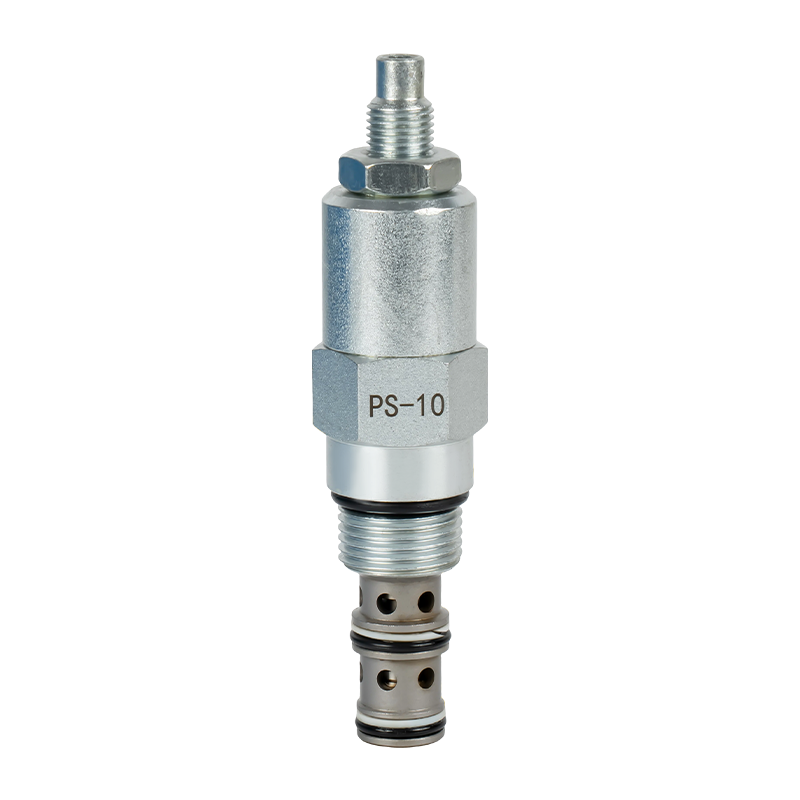
Direct Acting Spool Sequence Valve
-
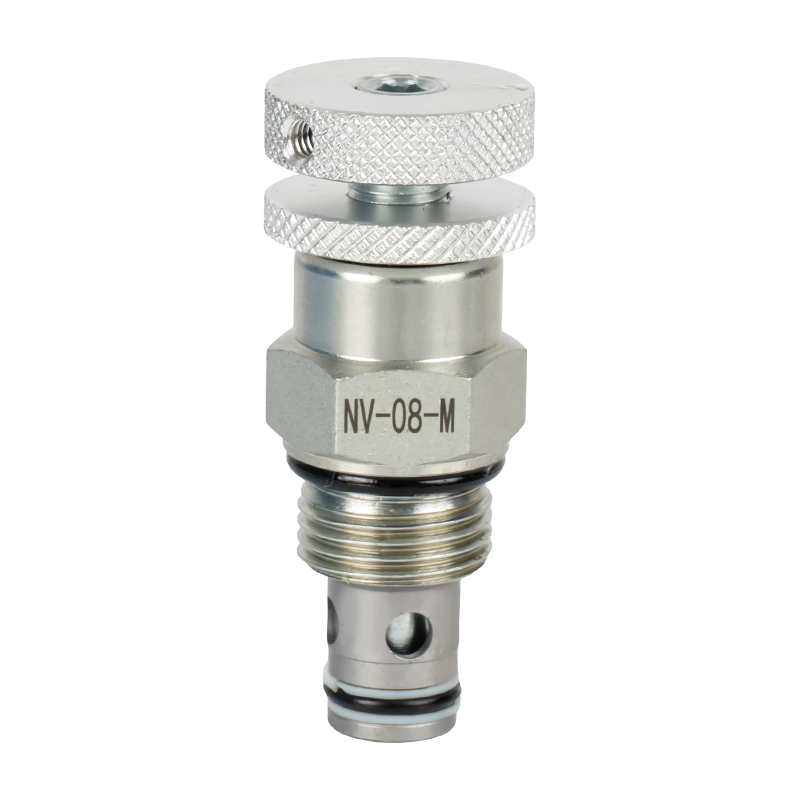
Adjustable Orifice Hydraulic Cartridge Needle Valve
Get In Touch
Follow Us
Quick Links
Product Category
Contact Us
- Phone: +86-18067156069
- Landline: +86-574-86458993
- E-mail: stars@china-stars.com.cn
Copyright © Ningbo Stars Hydraulic Co., Ltd. All Rights Reserved.
