 en
en Home / News and Blog / Industry News / A Comparison of Solenoid Valves and Hydraulic Cartridge Valves: Which Is Better Suited for Your Industrial Application?

Industry News
Jan 05,2026
A Comparison of Solenoid Valves and Hydraulic Cartridge Valves: Which Is Better Suited for Your Industrial Application?
Hydraulic cartridge valves and solenoid valves are both common components in industrial automation control systems. They play important roles in controlling flow, pressure, and direction.
This article will focus on comparing the advantages and disadvantages of hydraulic cartridge valves and solenoid valves to help you select the component best suited for your industrial application.
A hydraulic cartridge valve is a control component used in hydraulic systems. It regulates parameters such as pressure, flow rate, and direction within a hydraulic system by controlling the position of the spool. Hydraulic cartridge valves offer the following advantages:
High flow rate and high pressure. Hydraulic cartridge valves have a large flow cross-sectional area, enabling them to handle large volumes of fluid while withstanding high pressures. This makes them particularly useful in high-power applications.
High reliability. Hydraulic cartridge valves use mechanical control and do not require electrical or electronic components, making them more reliable. Additionally, due to their excellent sealing performance, they can operate normally even in harsh environments.
Precise control. Hydraulic cartridge valves can achieve precise control by fine-tuning the position of the spool, making them highly useful in applications that require accurate control of flow and pressure.
A solenoid valve is a device that uses electromagnetic principles to control the flow of liquids or gases. When energized, the solenoid’s electromagnet generates a magnetic field that moves the valve spool, thereby controlling the direction and flow rate of the fluid. Solenoid valves offer the following advantages:
Fast response. Solenoid valves use electrical control, and the electromagnet responds very quickly, enabling rapid control.
Easy to implement remote control. Since solenoid valves use electrical control, remote control can be achieved by controlling the power supply.
Suitable for low-flow applications. Because solenoid valves have a relatively small flow cross-sectional area, they are suitable for applications requiring control of low flow rates.
Both hydraulic cartridge valves and solenoid valves have their advantages and disadvantages. The advantages of hydraulic cartridge valves include high flow rates, high reliability, and precise control, while the advantages of solenoid valves include fast response and suitability for low-flow applications.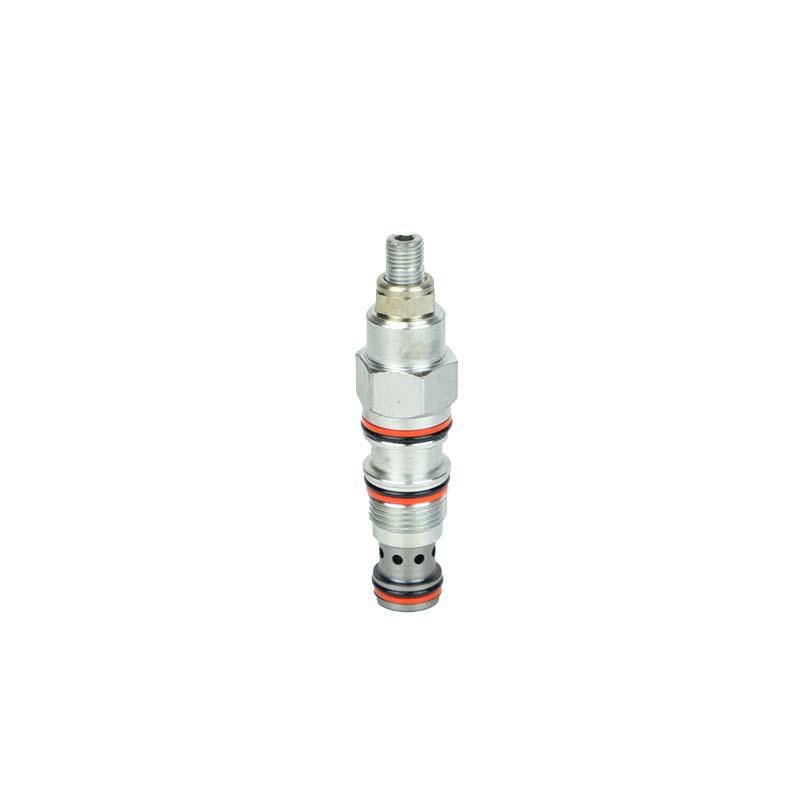
RELATED PRODUCTS
-
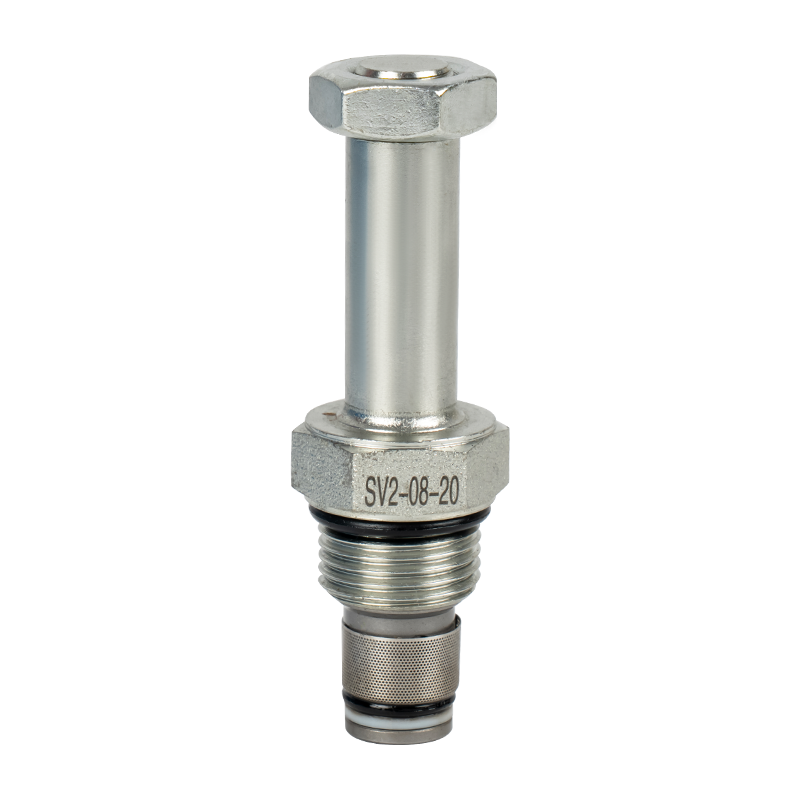
2-Way 2-Position Hydraulic Solenoid Cartridge Valve
-
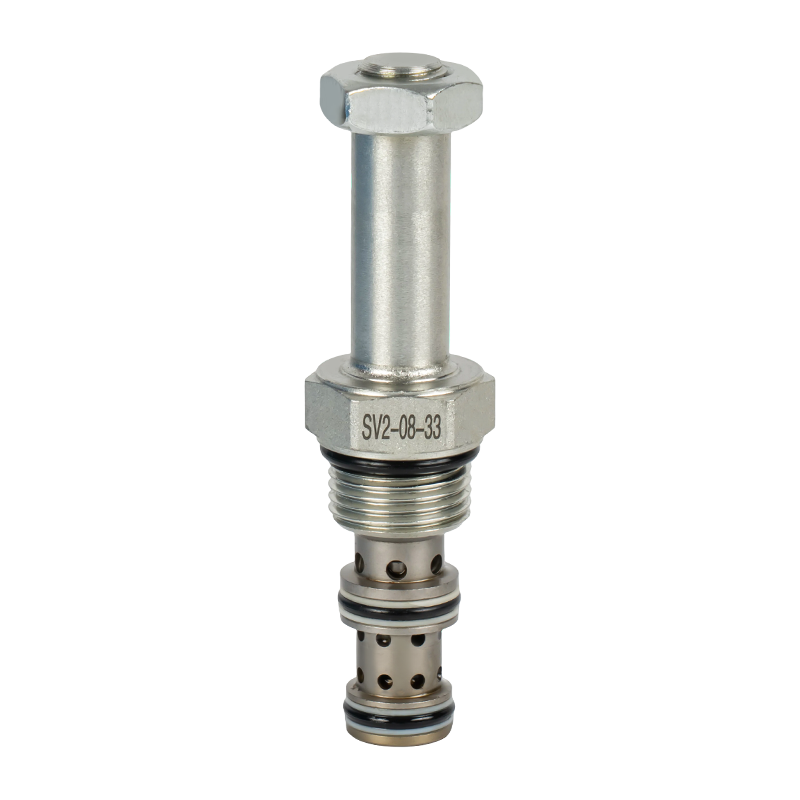
3-Way 2-Position Hydraulic Solenoid Cartridge Valve
-
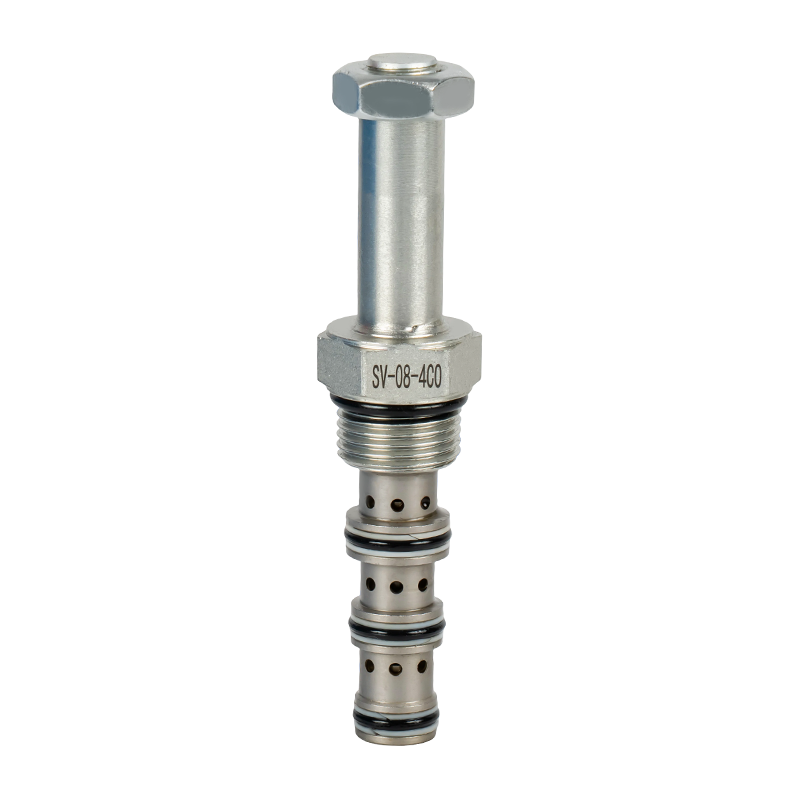
4-Way 2-Position Hydraulic Solenoid Cartridge Valve
-
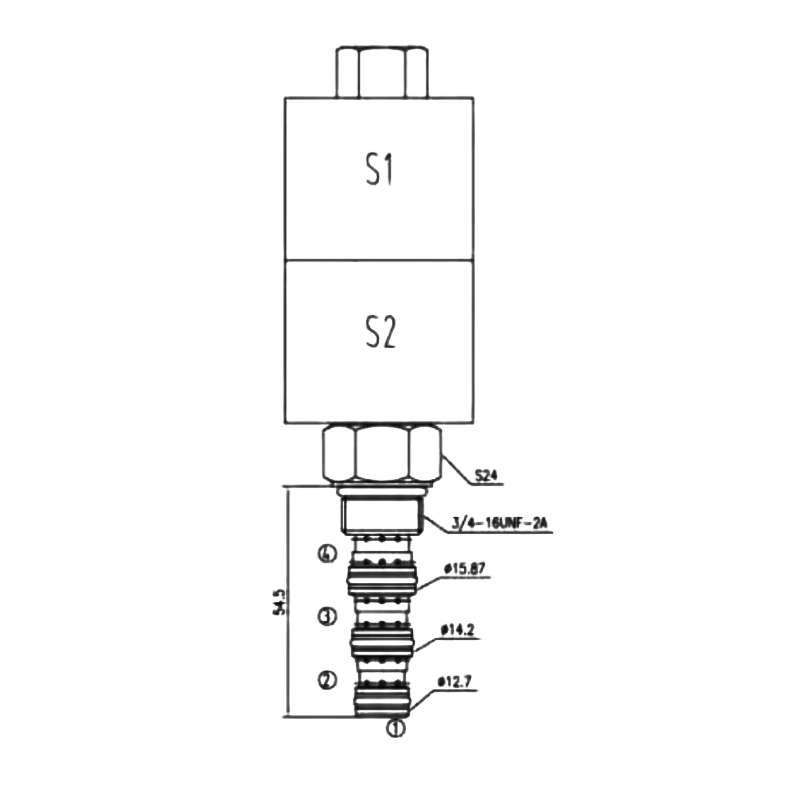
4-Way 3-Position Hydraulic Solenoid Cartridge Valve
-
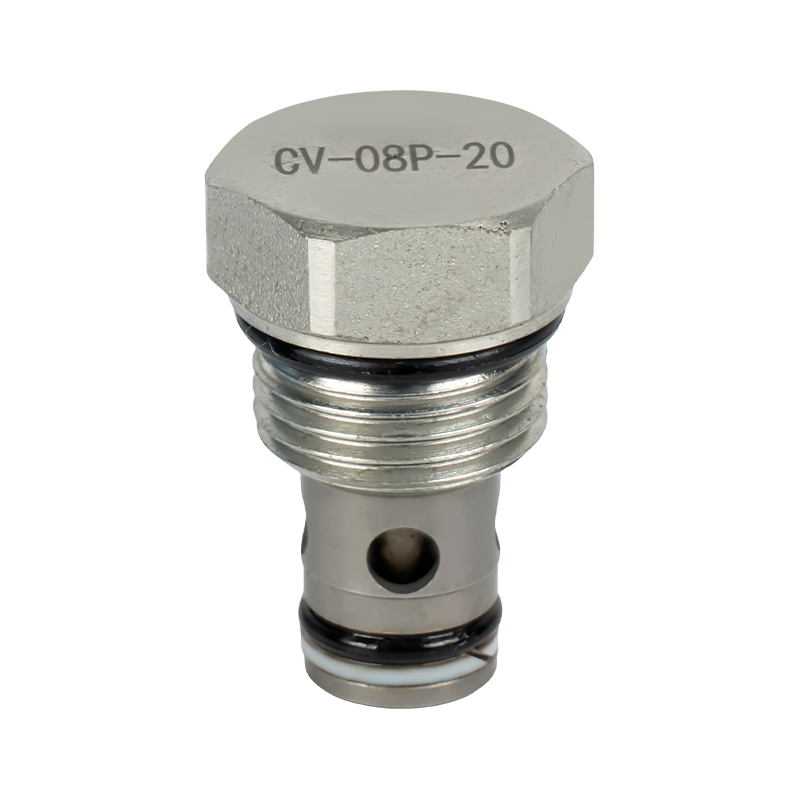
Hydraulic Cartridge Check Valve
-
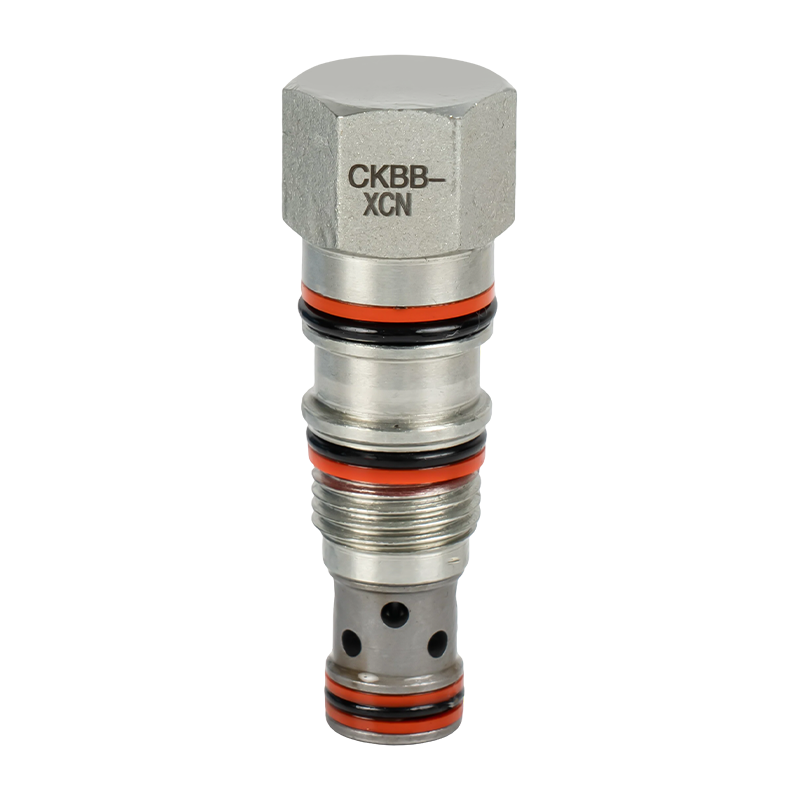
Hydraulic Pilot Operated Cartridge Check Valve
-
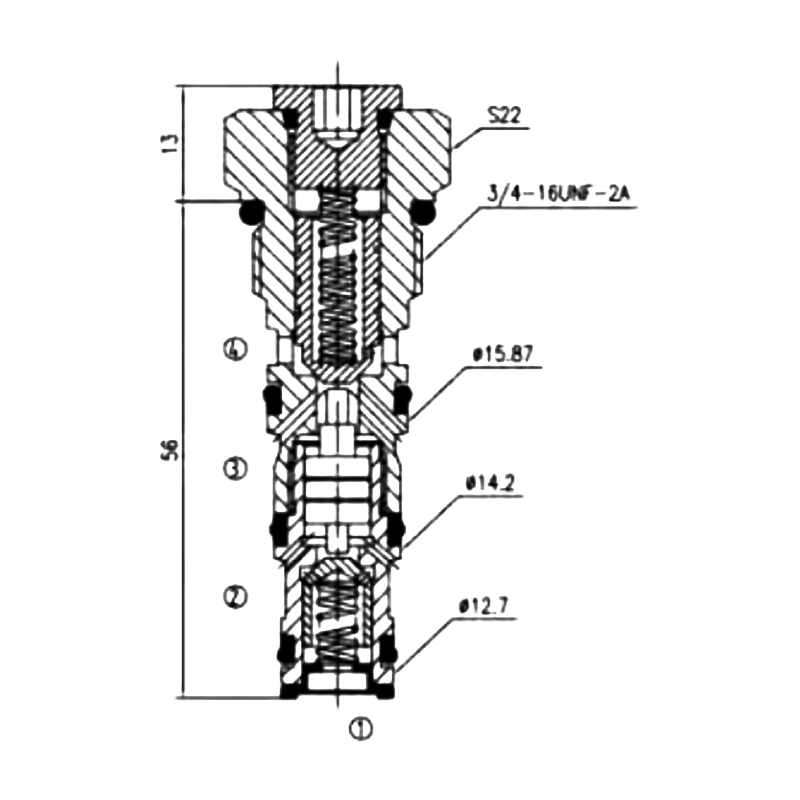
Dual Pilot Operated Check Valve
-

Hydraulic Cartridge Shuttle Valve
-
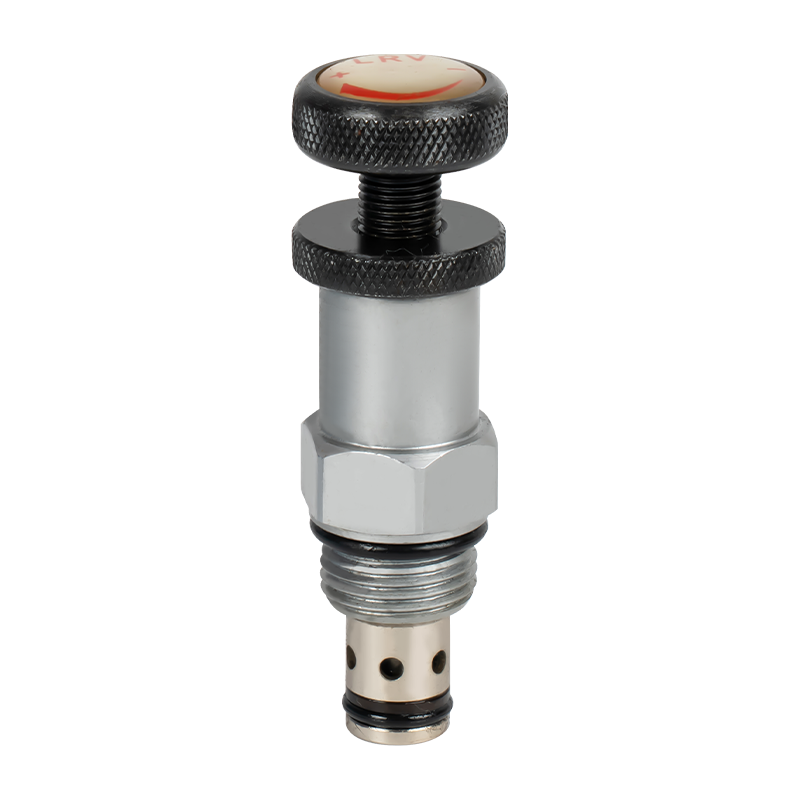
Direct Acting Poppet Relief Valve
-
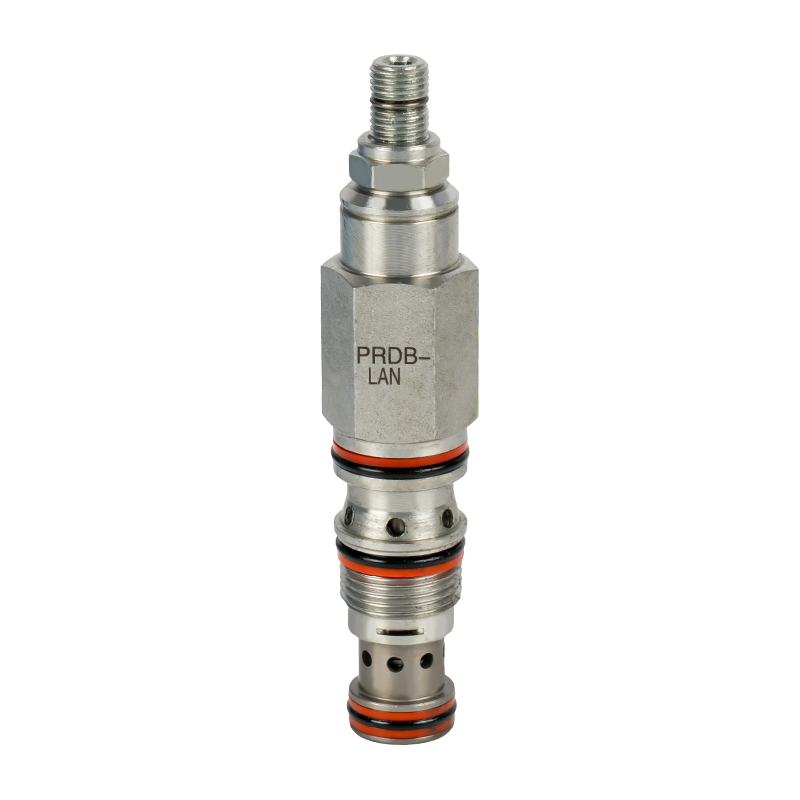
Pilot Operated Spool Pressure Reducing Valve
-
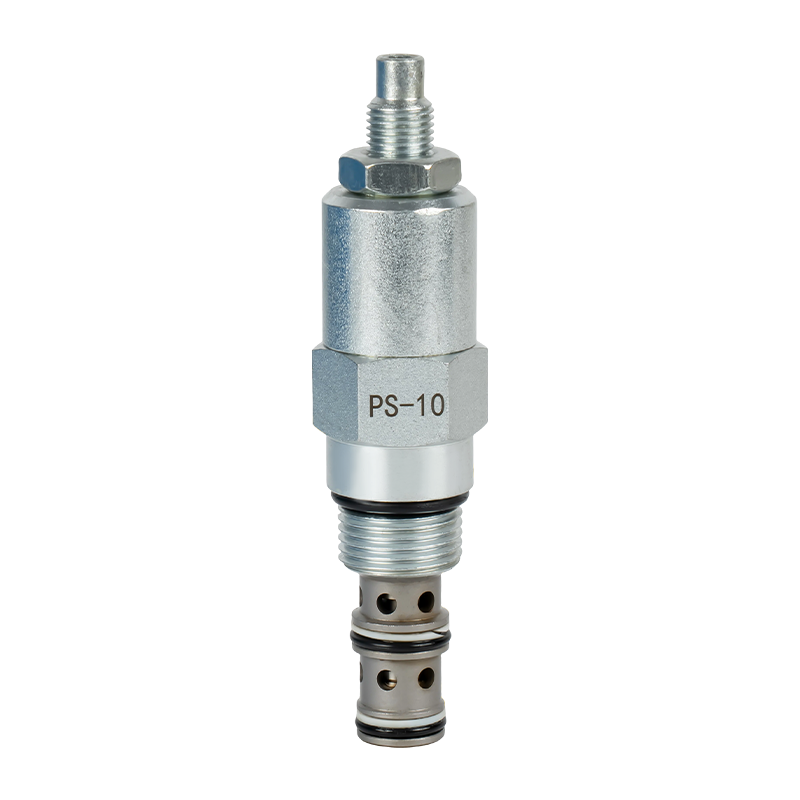
Direct Acting Spool Sequence Valve
-
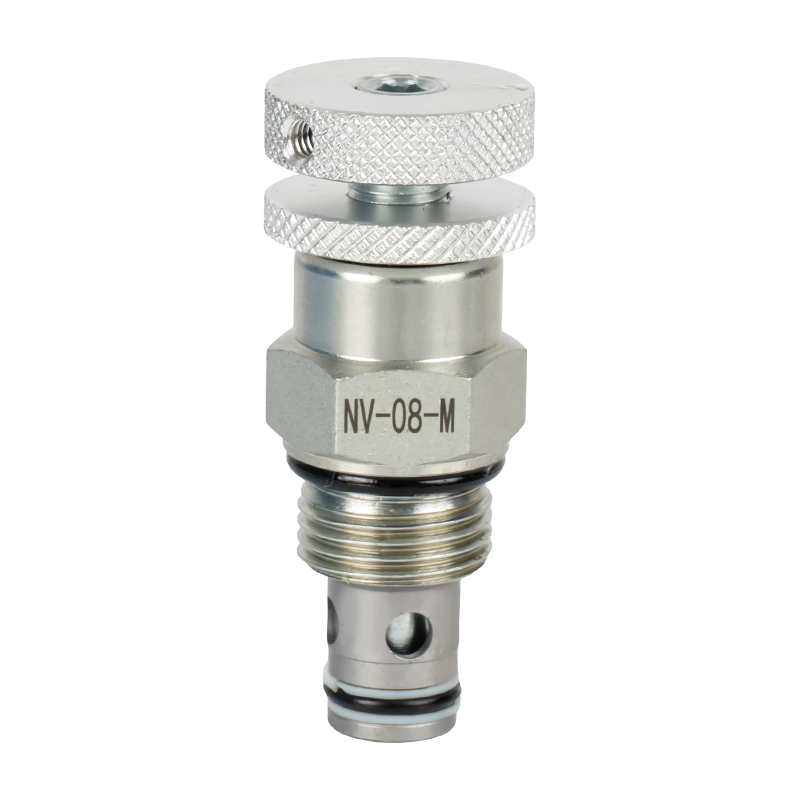
Adjustable Orifice Hydraulic Cartridge Needle Valve
Get In Touch
Follow Us
Quick Links
Product Category
Contact Us
- Phone: +86-18067156069
- Landline: +86-574-86458993
- E-mail: stars@china-stars.com.cn
Copyright © Ningbo Stars Hydraulic Co., Ltd. All Rights Reserved.
