 en
en Home / News and Blog / Industry News / Installation and Maintenance of Cartridge Valves: Tips for Preventing Malfunctions

Industry News
Oct 28,2023
Installation and Maintenance of Cartridge Valves: Tips for Preventing Malfunctions
Cartridge valves are one of the most common types of valves in industrial systems and play a crucial role in such systems. To ensure the proper operation of cartridge valves, proper installation and maintenance are essential. In this article, we will discuss the installation and maintenance of cartridge valves to prevent malfunctions.
I. Installing Cartridge Valves
1. Selecting the Appropriate Cartridge Valve Type and Specifications: Before installing a cartridge valve, it is essential to understand its type and specifications and select the appropriate model based on actual requirements. When purchasing a cartridge valve, choose one based on parameters such as pipeline pressure, temperature, and flow rate to ensure proper operation.
2. Preparatory Work: Before installing a cartridge valve, preparatory work must be carried out, such as cleaning the pipes, valves, and flanges, and inspecting all components to ensure they are in good condition.
3. Correctly Install the Cartridge Valve: When installing a cartridge valve, ensure it is installed correctly. Follow the valve’s installation instructions and use the proper tools for tightening.
II. Maintenance of Hydraulic Cartridge Valves
1. Regularly Inspect the Cartridge Valve: Periodically inspect the operating condition of the cartridge valve to ensure it functions properly. Inspection items include seals, whether the valve is loose, and any signs of damage.
2. Clean Promptly: When cartridge valves are affected by dirt or foreign objects, their normal operation may be compromised. Therefore, regular cleaning is necessary to ensure proper functioning.
3. Replace Worn Parts: When parts of the cartridge valve are worn or damaged, they must be replaced promptly. This is especially true for seals; if they fail to provide a proper seal, it can lead to fluid leaks and other malfunctions.
4. Pay Attention to Maintenance: During use, proper maintenance of cartridge valves is essential to extend their service life. For example, before use in winter, promptly drain any accumulated moisture from the interior to prevent freeze-cracking.
5. Avoid Overloading: When using cartridge valves, avoid overloading them. When cartridge valves are used with high-pressure, high-temperature, high-viscosity, or highly corrosive media, select an appropriate cartridge valve and follow the corresponding operating requirements.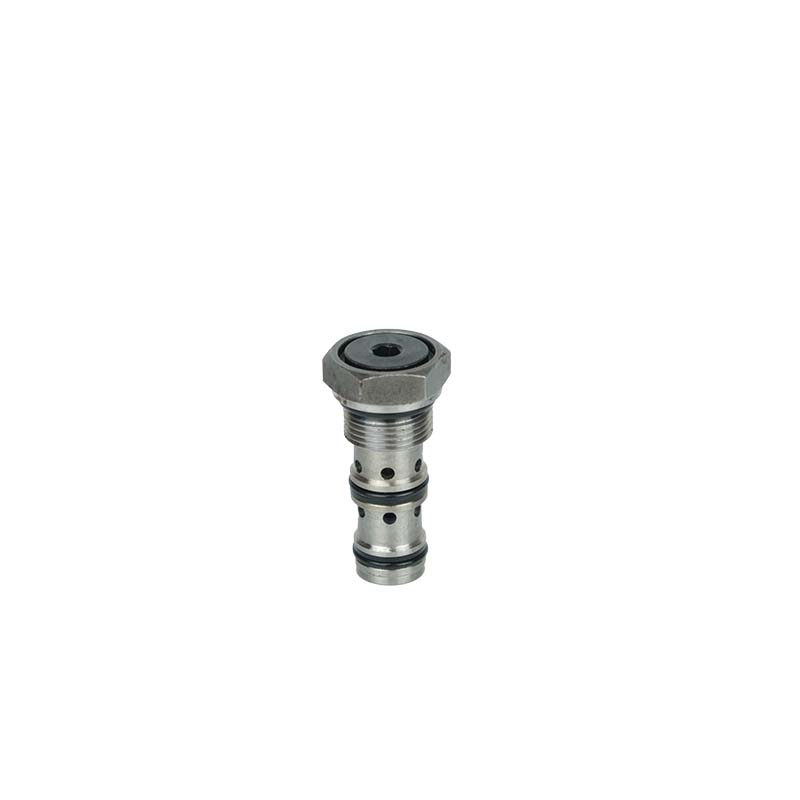
RELATED PRODUCTS
-
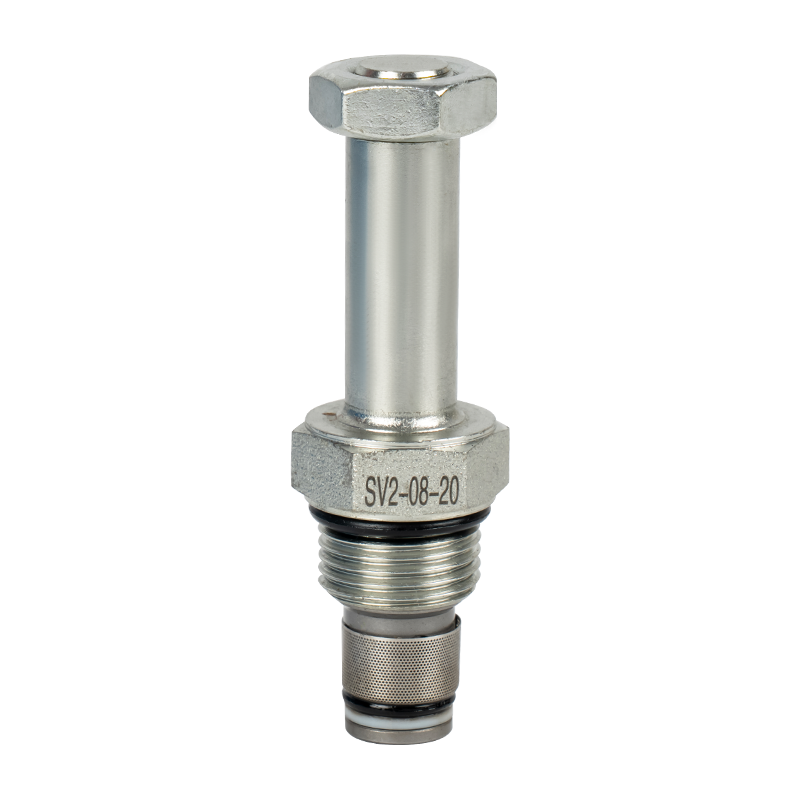
2-Way 2-Position Hydraulic Solenoid Cartridge Valve
-
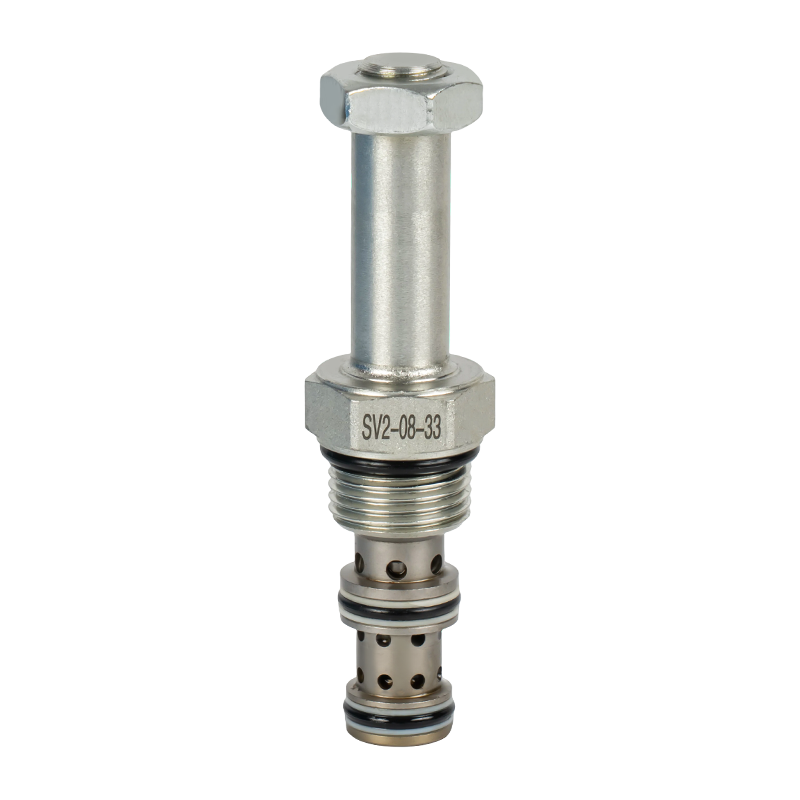
3-Way 2-Position Hydraulic Solenoid Cartridge Valve
-
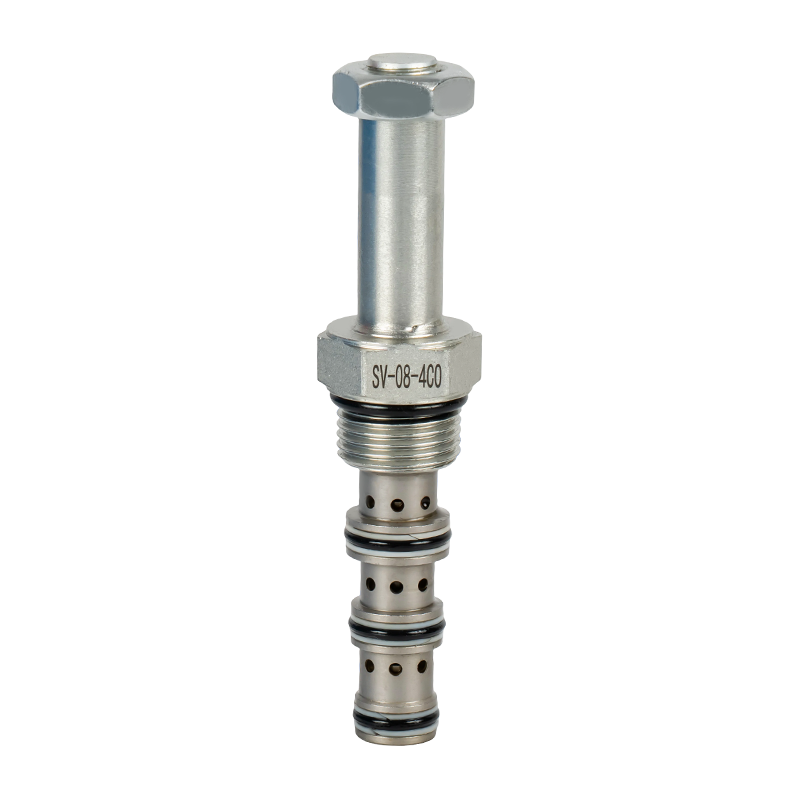
4-Way 2-Position Hydraulic Solenoid Cartridge Valve
-
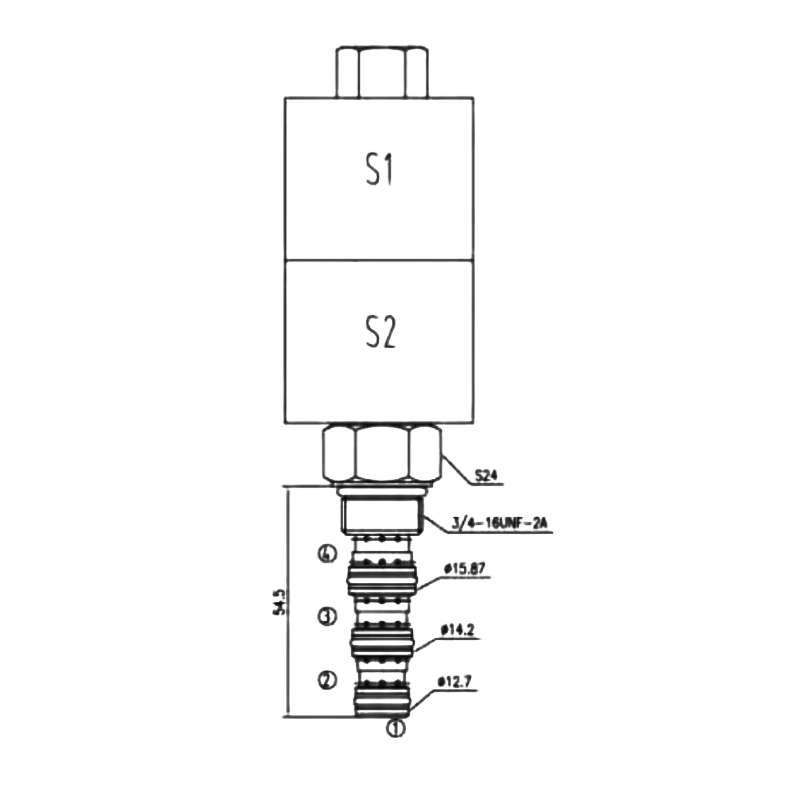
4-Way 3-Position Hydraulic Solenoid Cartridge Valve
-
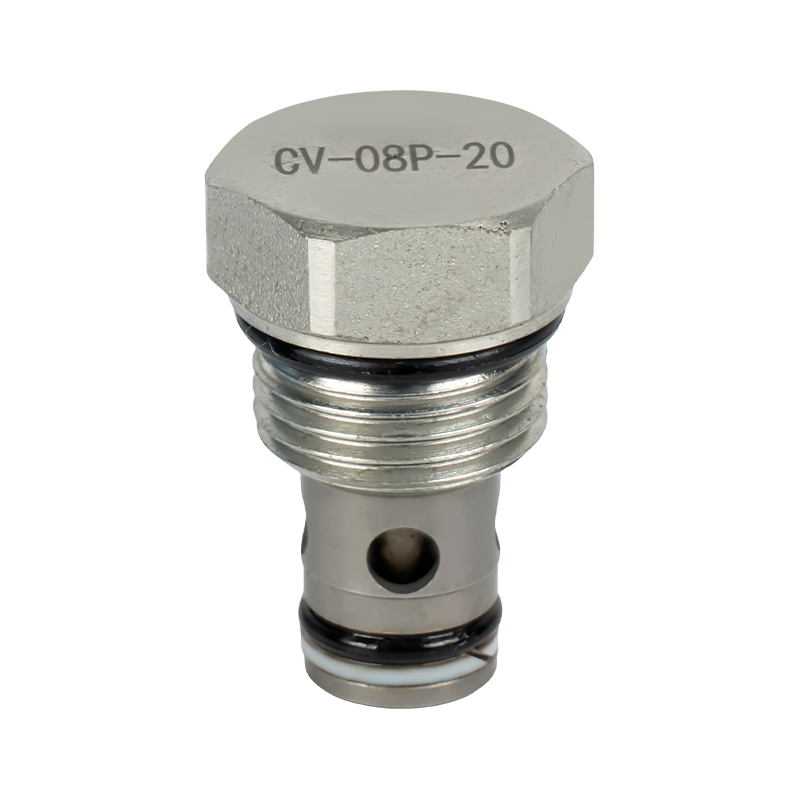
Hydraulic Cartridge Check Valve
-
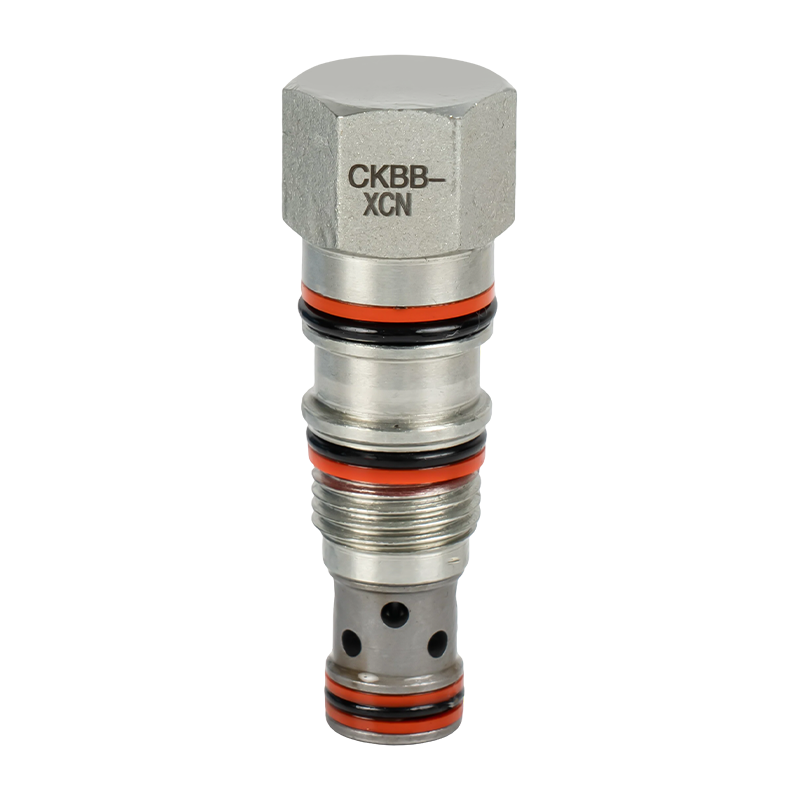
Hydraulic Pilot Operated Cartridge Check Valve
-
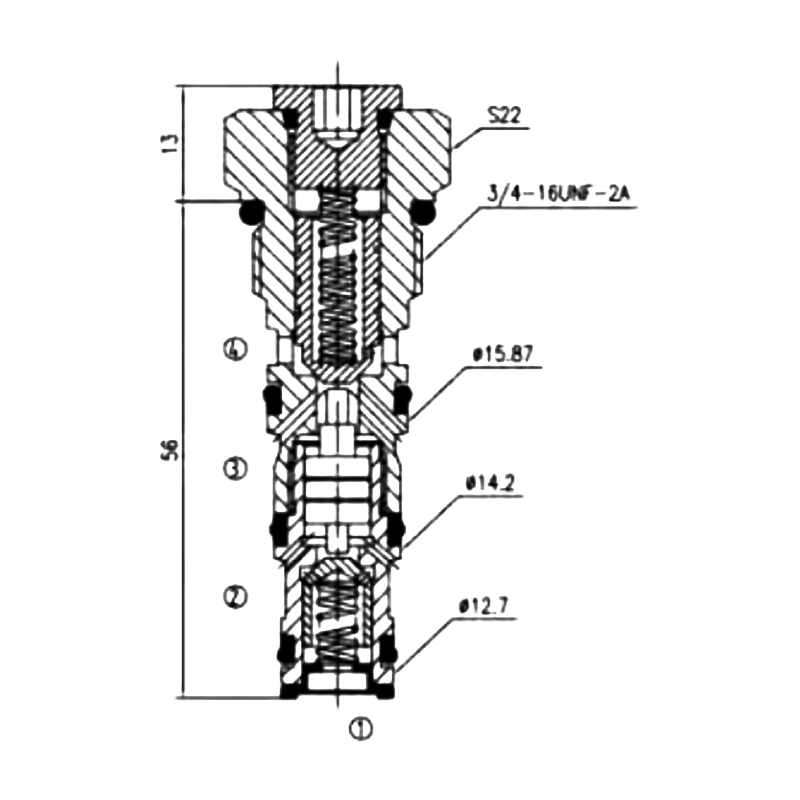
Dual Pilot Operated Check Valve
-

Hydraulic Cartridge Shuttle Valve
-
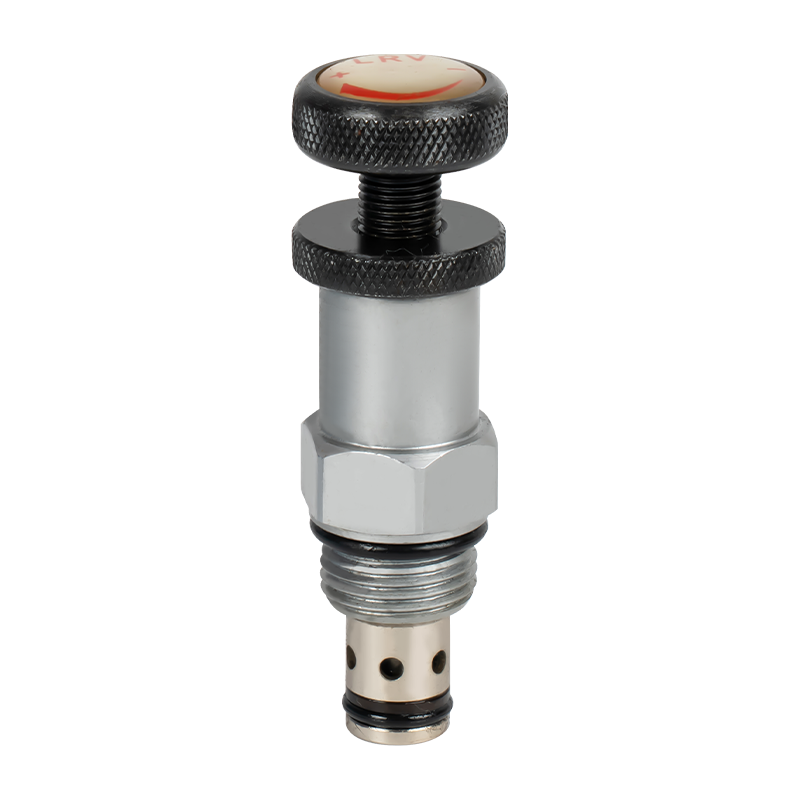
Direct Acting Poppet Relief Valve
-
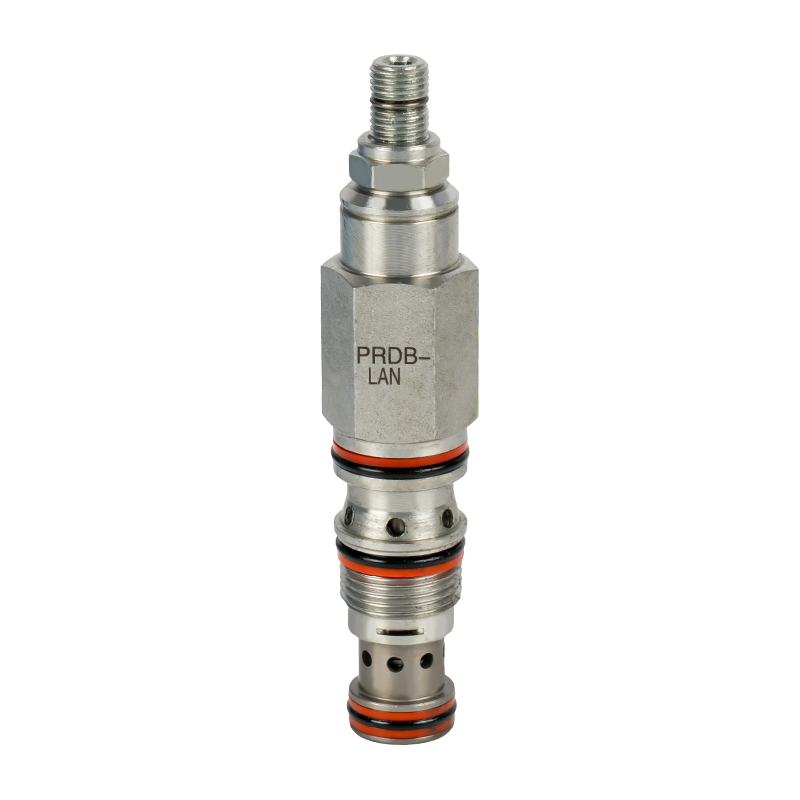
Pilot Operated Spool Pressure Reducing Valve
-
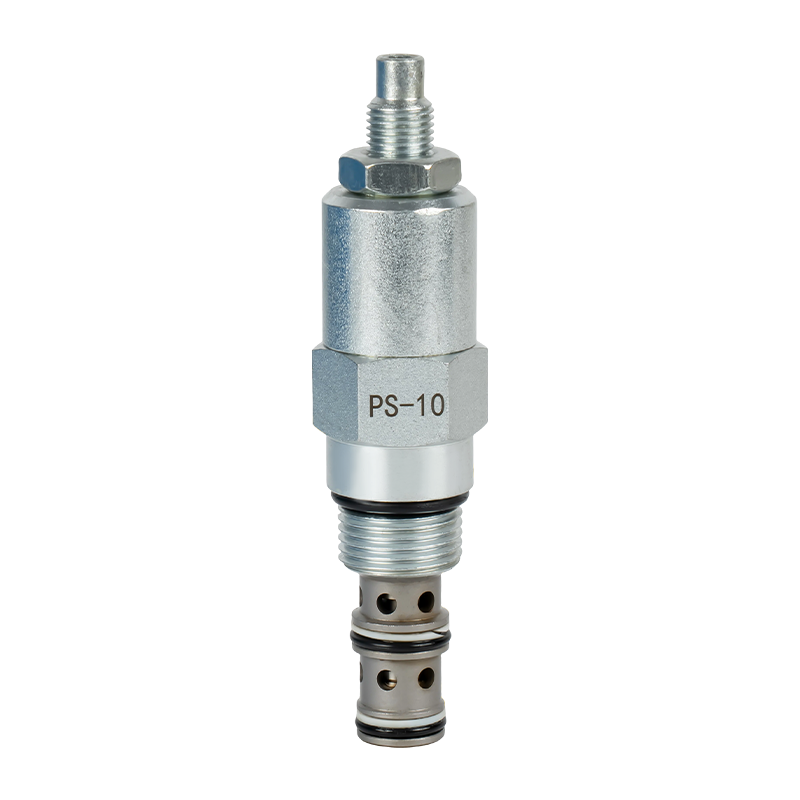
Direct Acting Spool Sequence Valve
-
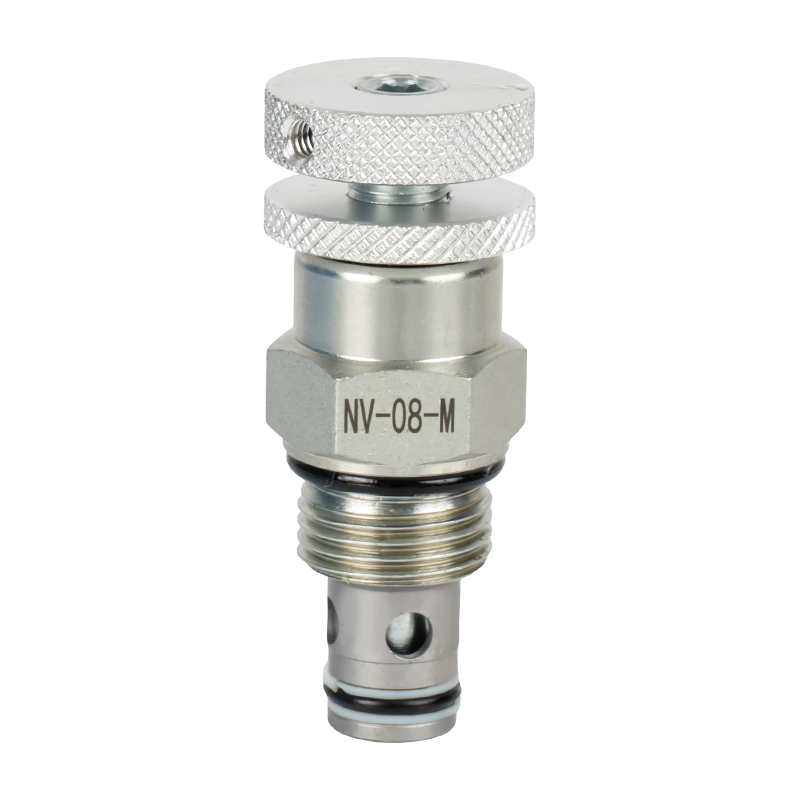
Adjustable Orifice Hydraulic Cartridge Needle Valve
Get In Touch
Follow Us
Quick Links
Product Category
Contact Us
- Phone: +86-18067156069
- Landline: +86-574-86458993
- E-mail: stars@china-stars.com.cn
Copyright © Ningbo Stars Hydraulic Co., Ltd. All Rights Reserved.
