 en
en Home / News and Blog / Industry News / Unveiling the Mystery of Cartridge Valves: An In-Depth Look at How They Work

Industry News
Oct 18,2023
Unveiling the Mystery of Cartridge Valves: An In-Depth Look at How They Work
Plug valves are a common type of valve widely used in various industrial systems. They consist of a valve body and a plug, which can be inserted into the valve body to close or open the valve. The operating principle of a plug valve is based on the process of inserting and removing the plug from the valve body.
In a cartridge valve, the plug is rotated into the valve and locks into place inside it, closing the valve. When the valve is closed, the plug makes tight contact with the valve’s sealing surface to ensure there are no leaks. When the valve needs to be opened, the plug is rotated and withdrawn, causing the valve to open.
The operating principle of a cartridge valve relies primarily on the friction and sealing properties between the plug and the valve. The plug is designed to lock tightly into the valve’s interior and typically includes a sealing ring to prevent leakage. The valve’s design is also critical to ensure the plug inserts correctly and that the valve closes tightly.
The operating principle of cartridge valves offers many advantages. First, due to the tight contact between the plug and the valve, hydraulically controlled cartridge valves can effectively prevent leaks. Second, the plug can be rotated to control flow and can be easily withdrawn when necessary, making it particularly useful in applications requiring frequent operation. Additionally, cartridge valves have a simpler design than other types of valves, making them easy to install and maintain.
Although the operating principle of threaded cartridge valves is relatively simple, there are several key points to consider when selecting and using them. First, ensure that the cartridge valve selected is suitable for the specific application, taking into account factors such as valve material, operating pressure, and temperature range. Second, install the cartridge valve in the correct position and ensure it is properly tightened to prevent leaks and other malfunctions. Finally, follow the manufacturer’s recommendations for maintenance and servicing to ensure the cartridge valve operates properly and has a long service life.
Overall, cartridge valves are a simple and effective type of valve whose operating principle is based on the process of inserting and removing the cartridge. Their design makes them easy to install and maintain, and they offer advantages such as leak prevention and flow control. However, certain key points must be considered when selecting and using cartridge valves to ensure their proper operation and service life.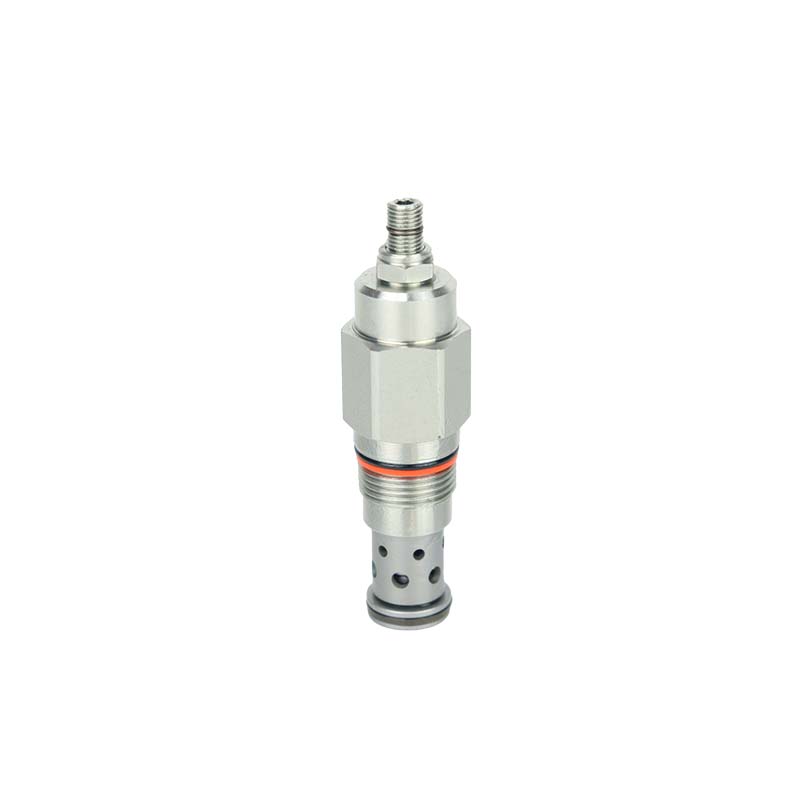
RELATED PRODUCTS
-
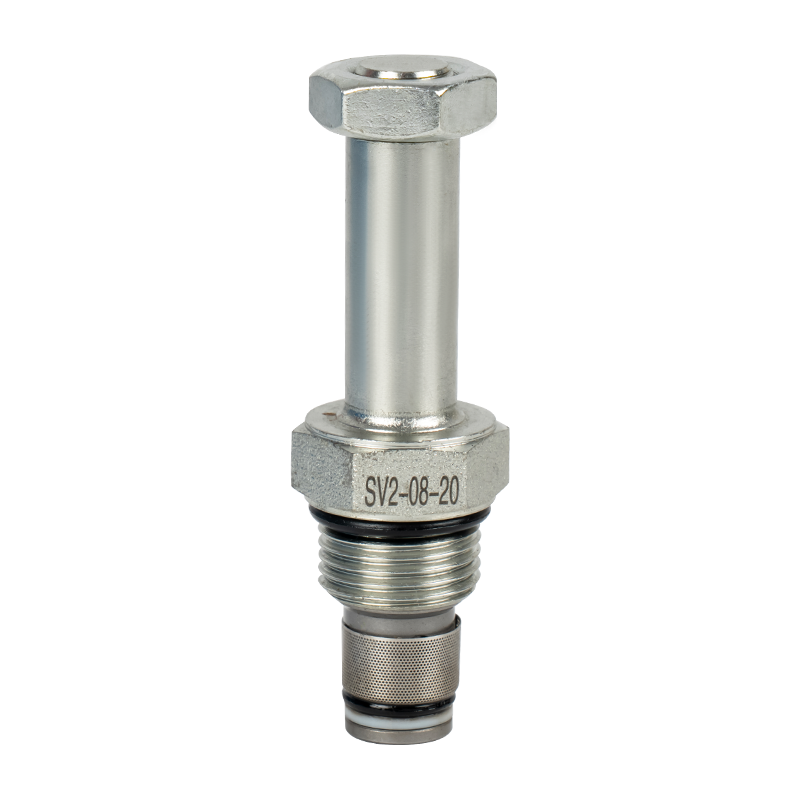
2-Way 2-Position Hydraulic Solenoid Cartridge Valve
-
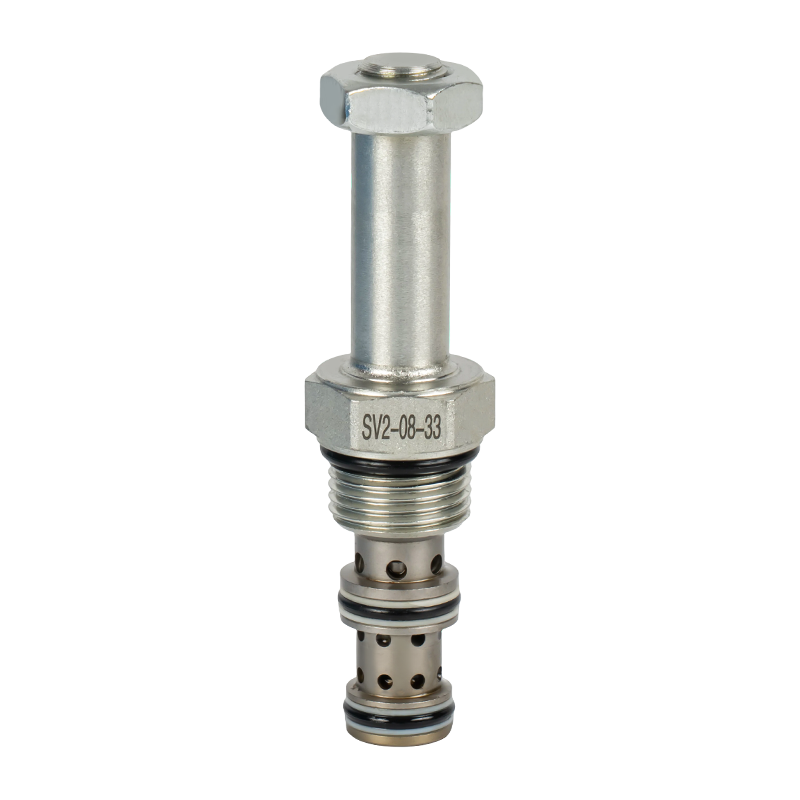
3-Way 2-Position Hydraulic Solenoid Cartridge Valve
-
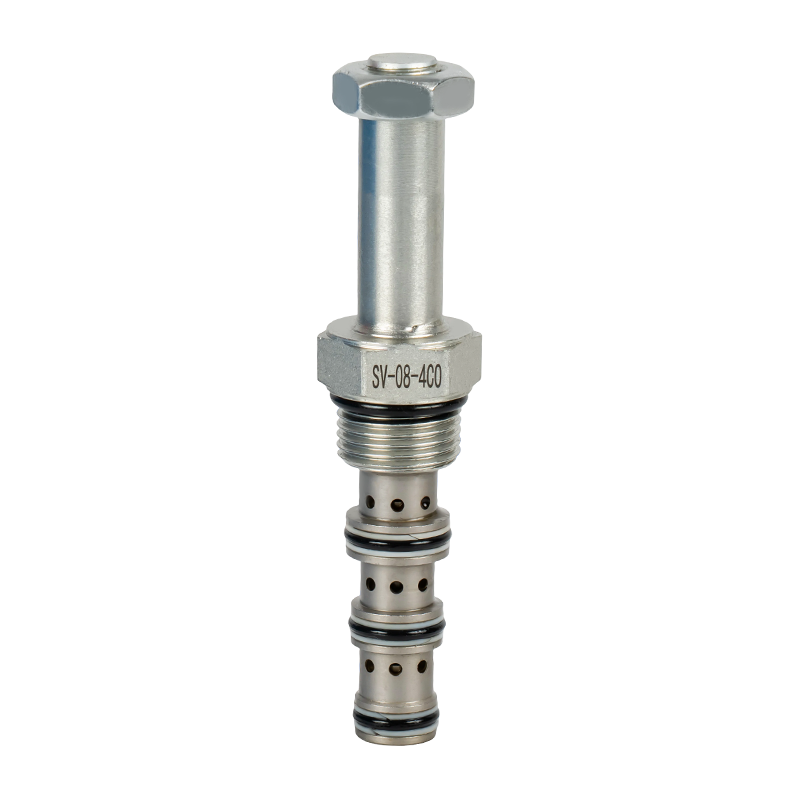
4-Way 2-Position Hydraulic Solenoid Cartridge Valve
-
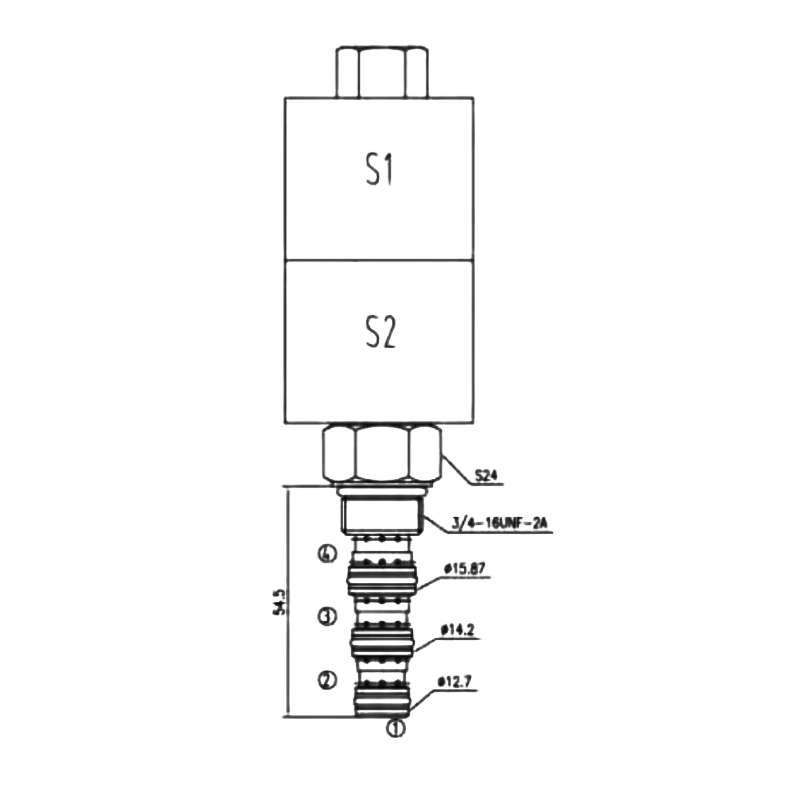
4-Way 3-Position Hydraulic Solenoid Cartridge Valve
-
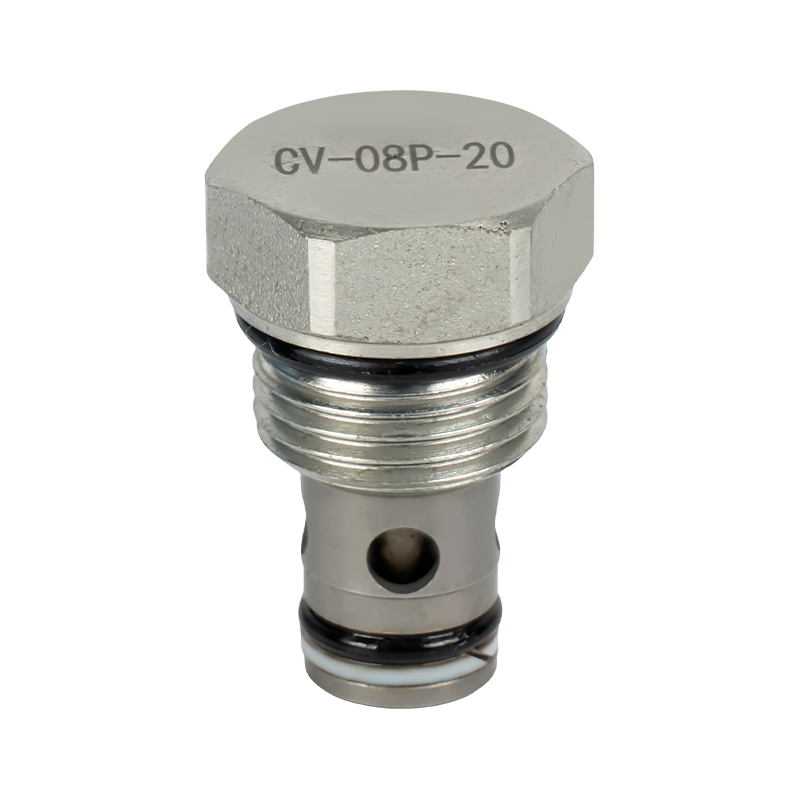
Hydraulic Cartridge Check Valve
-
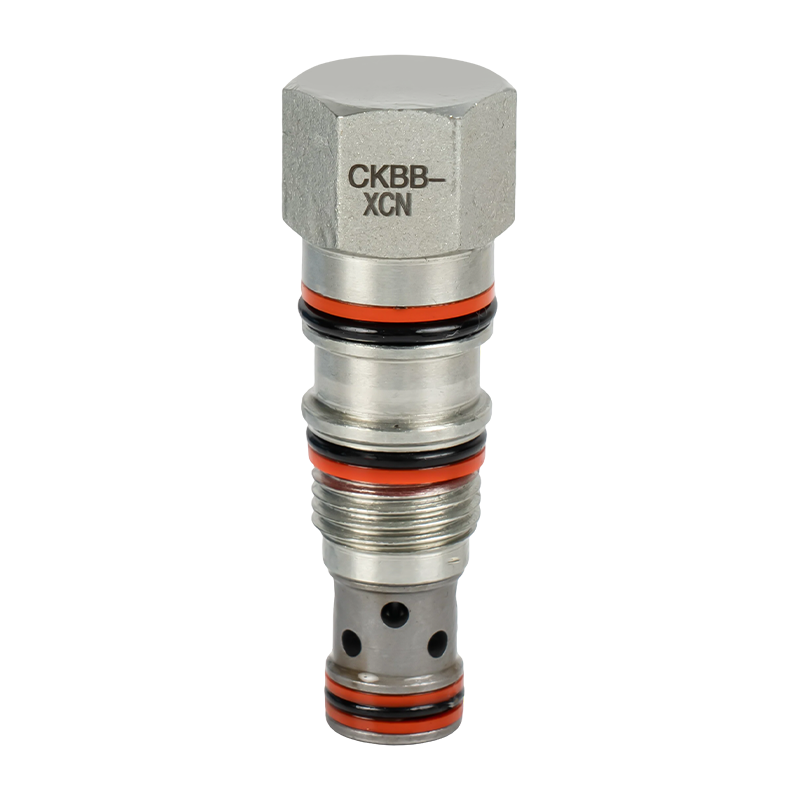
Hydraulic Pilot Operated Cartridge Check Valve
-
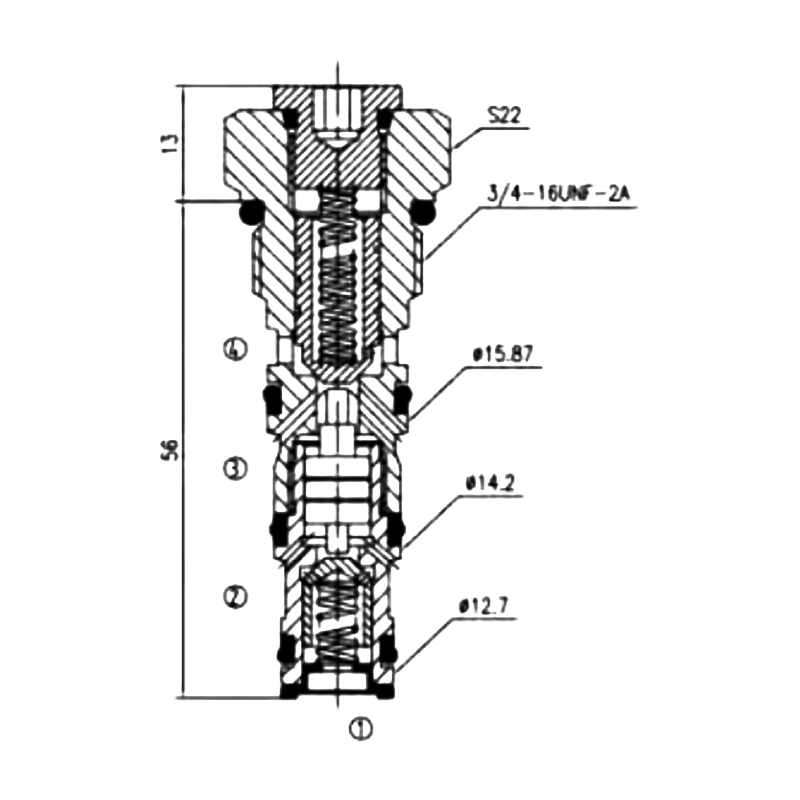
Dual Pilot Operated Check Valve
-

Hydraulic Cartridge Shuttle Valve
-
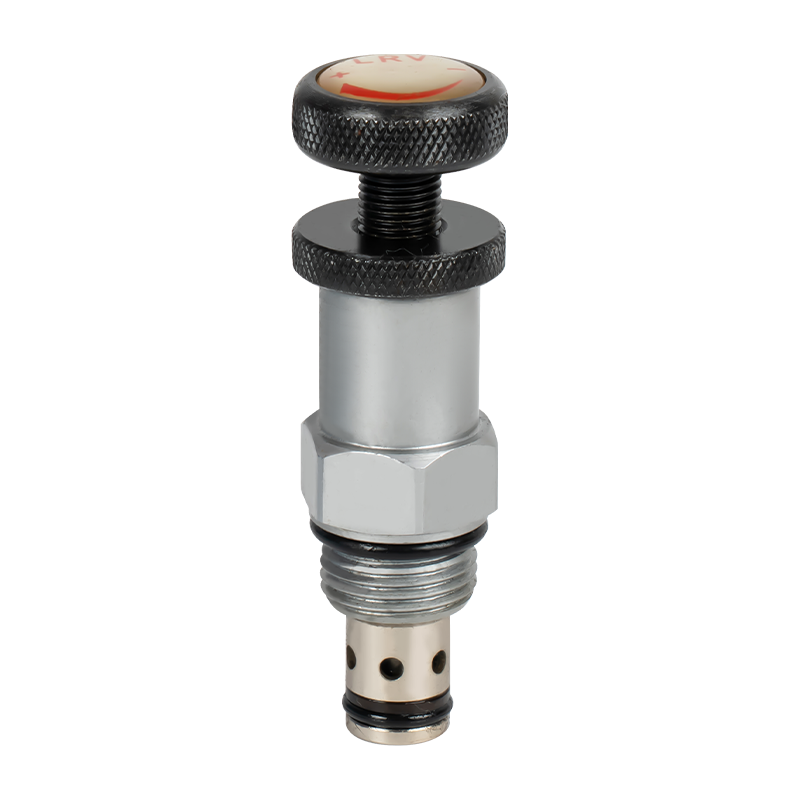
Direct Acting Poppet Relief Valve
-
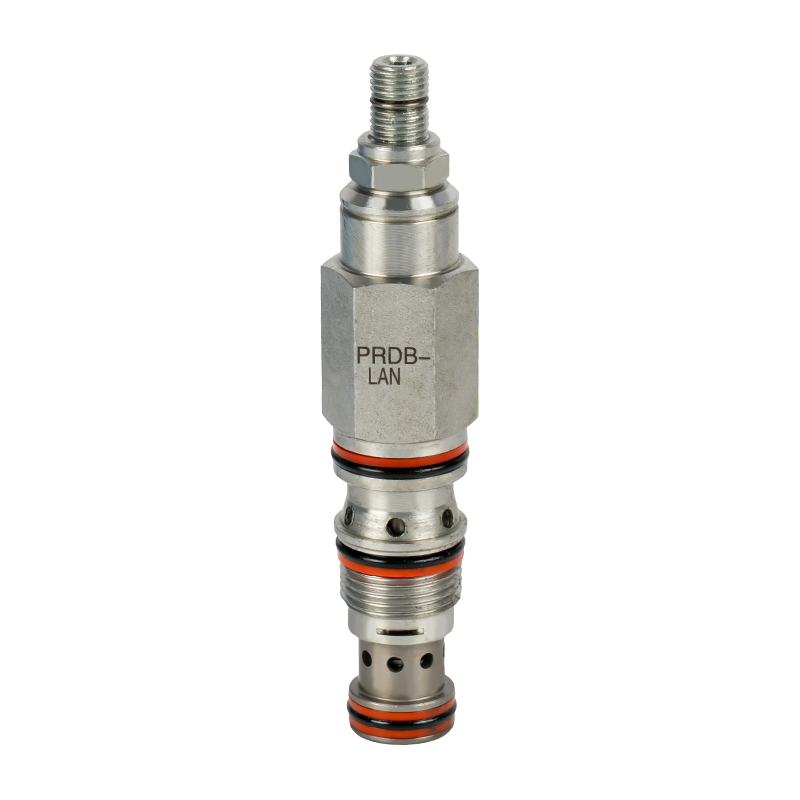
Pilot Operated Spool Pressure Reducing Valve
-
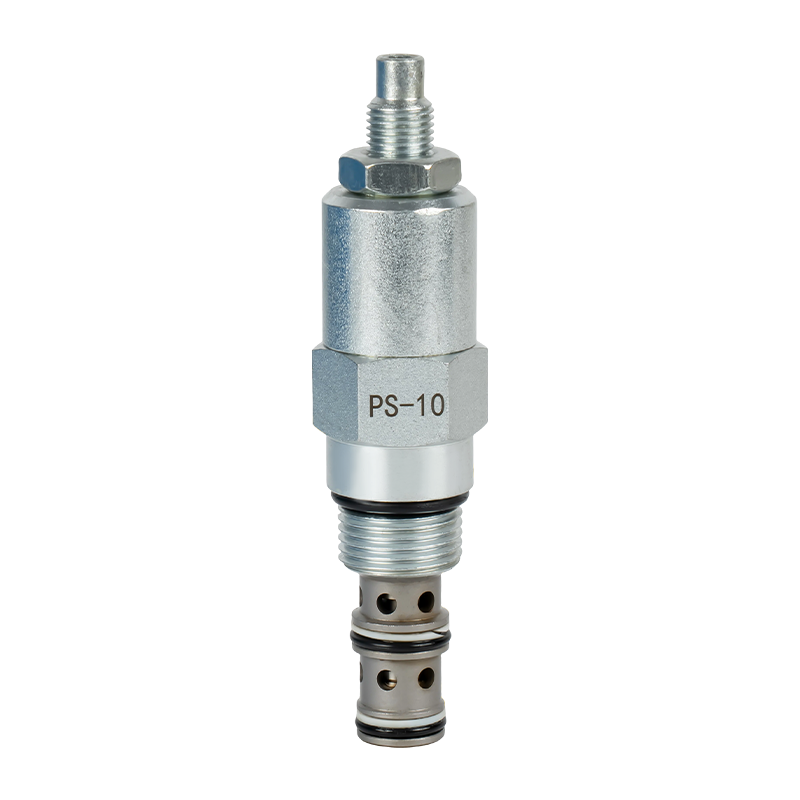
Direct Acting Spool Sequence Valve
-
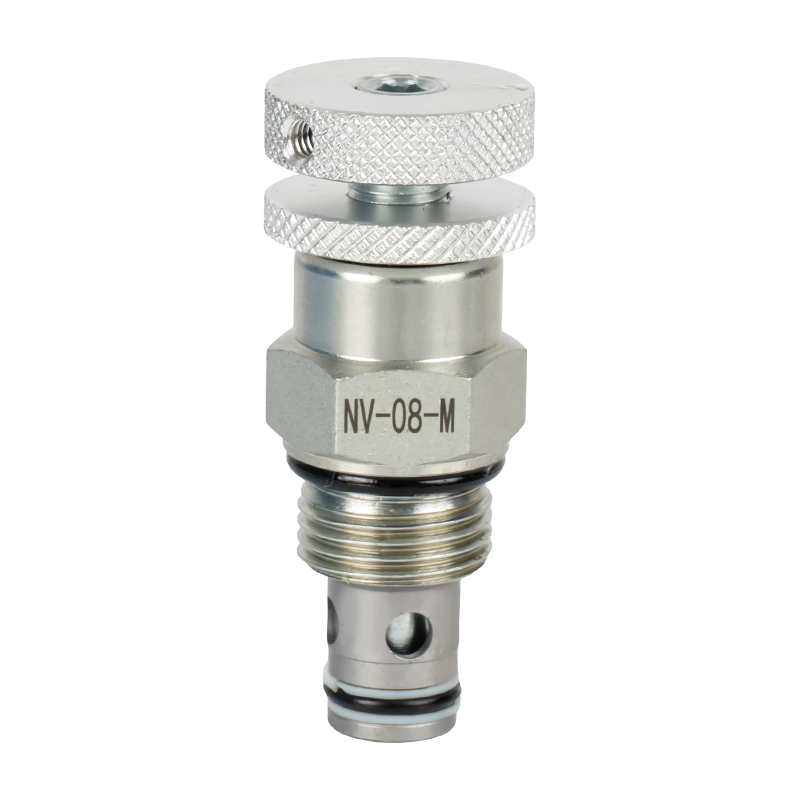
Adjustable Orifice Hydraulic Cartridge Needle Valve
Get In Touch
Follow Us
Quick Links
Product Category
Contact Us
- Phone: +86-18067156069
- Landline: +86-574-86458993
- E-mail: stars@china-stars.com.cn
Copyright © Ningbo Stars Hydraulic Co., Ltd. All Rights Reserved.
