 en
en
Company News
Mar 07,2023
How to Choose the Right Threaded Cartridge Valve for You?
Threaded cartridge valves are a common type of valve typically used in piping systems to control fluid flow and pressure. Selecting the right threaded cartridge valve can improve the efficiency of the piping system and ensure its safe operation.
First, when selecting a threaded cartridge valve, you should consider the nature of the piping system. For example, whether the fluid is a liquid or a gas, as well as the flow rate and pressure requirements. If the fluid has high viscosity, you need to choose a threaded cartridge valve capable of withstanding high pressure and high flow rates to ensure the system operates normally. Conversely, piping systems with low-pressure and low-flow requirements need corresponding threaded cartridge valves to ensure safe and efficient operation.
Second, the valve material is also a key factor in the selection process. Different fluids react differently with different materials, so the appropriate material must be chosen based on the specific piping system. For example, acidic or alkaline fluids may require threaded cartridge valves made of stainless steel, while petroleum or natural gas fluids may require threaded cartridge valves made of high-strength alloy steel. The correct material selection ensures the durability and long-term stability of the threaded cartridge valve.
Third, the type of cartridge valve must be considered. Depending on the specific application, various types of valves are available. For example, check valves control unidirectional flow, while two-way cartridge valves control bidirectional flow. Pressure-reducing cartridge valves, on the other hand, regulate fluid pressure. Understanding the characteristics and functions of each type of cartridge valve will help you select the valve best suited for your piping system.
Finally, the size of the cartridge valve must be considered. Selecting the correct size ensures that the cartridge valve meets the piping system’s dimensional and flow requirements, thereby guaranteeing the system’s safety and proper operation. If the selected size is too small, it can lead to flow restrictions and system instability. Conversely, selecting a size that is too large may result in wasted costs and resources and could also cause the piping system to become unstable.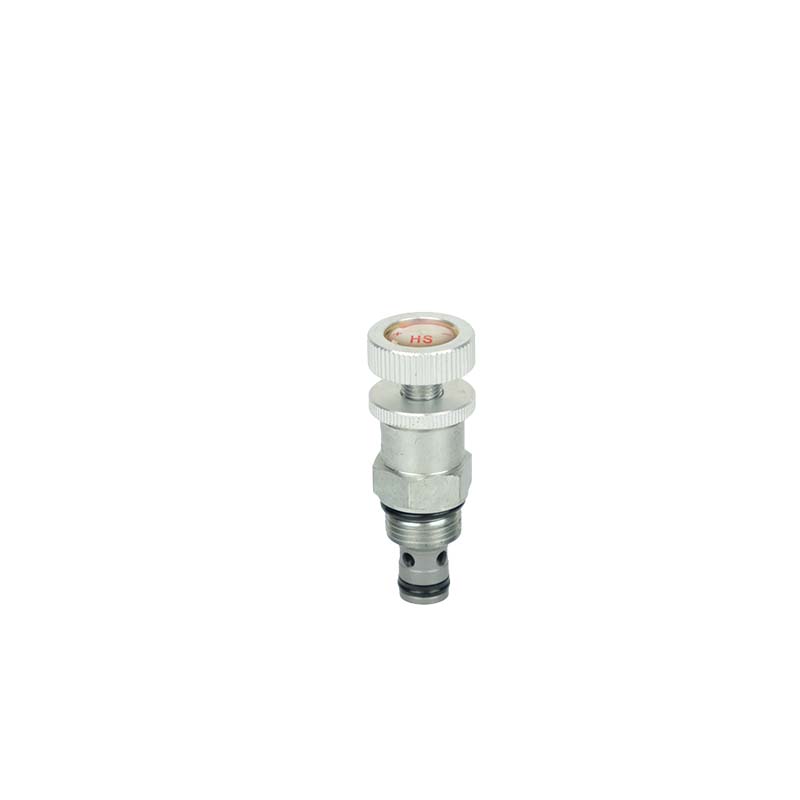
RELATED PRODUCTS
-
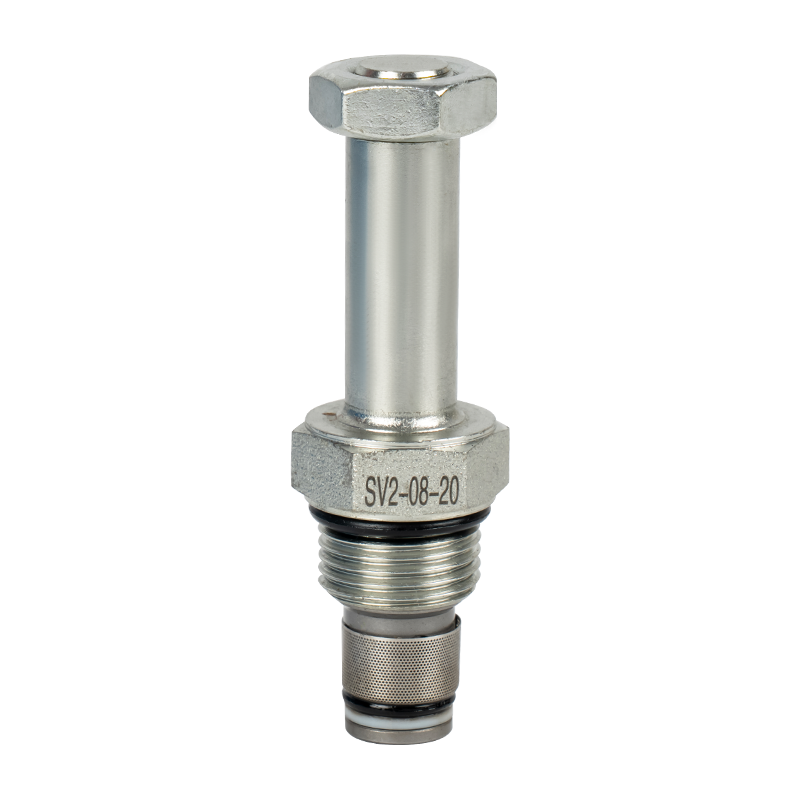
2-Way 2-Position Hydraulic Solenoid Cartridge Valve
-
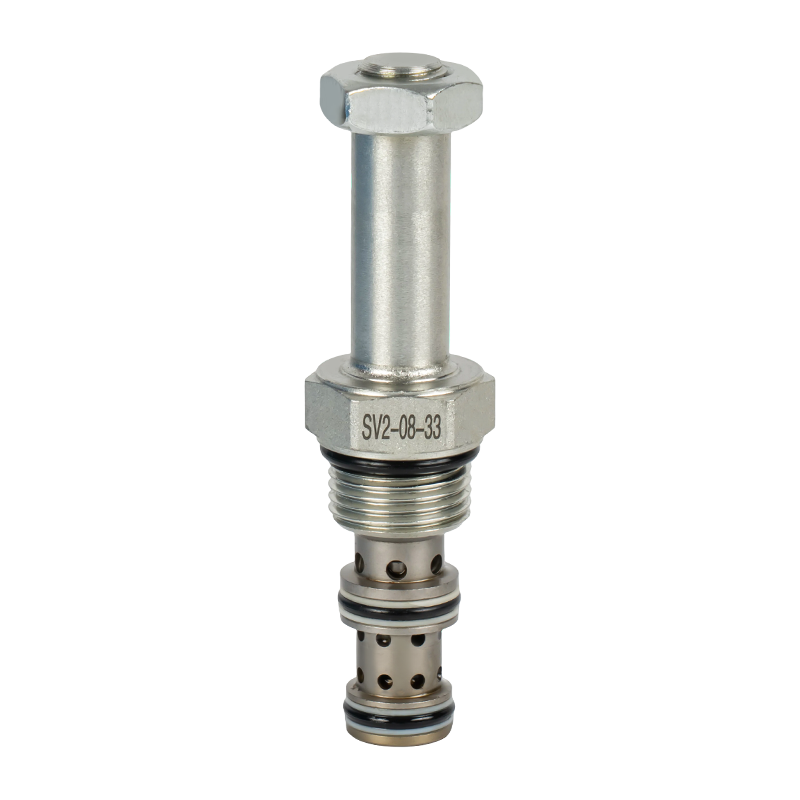
3-Way 2-Position Hydraulic Solenoid Cartridge Valve
-
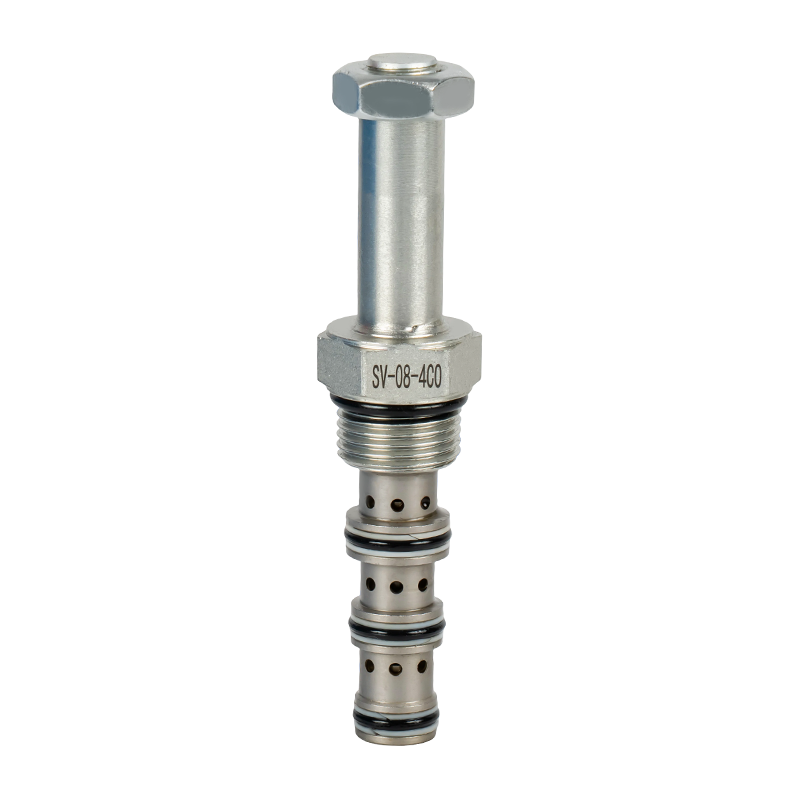
4-Way 2-Position Hydraulic Solenoid Cartridge Valve
-
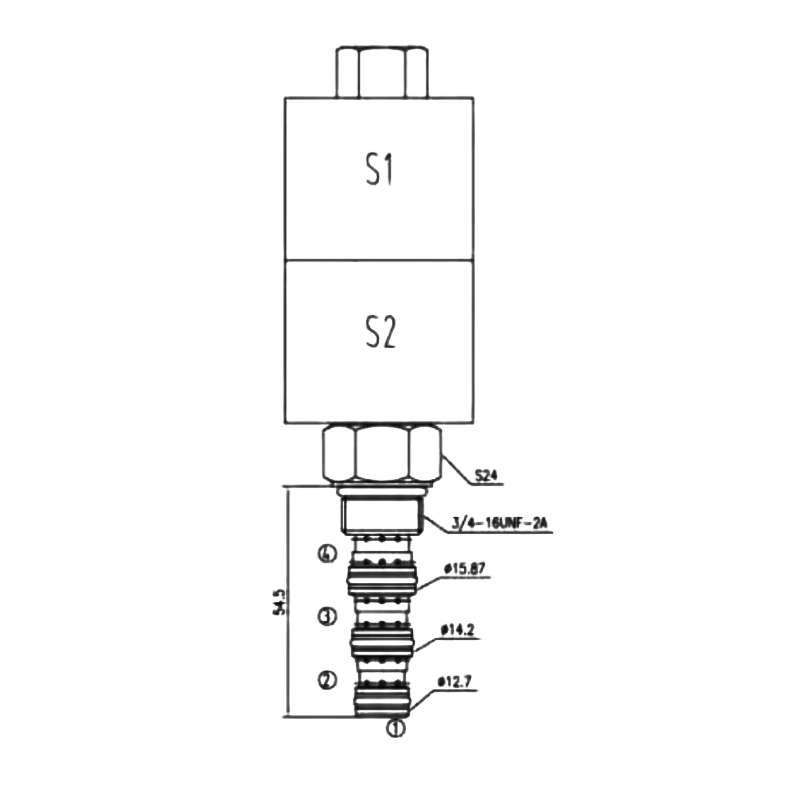
4-Way 3-Position Hydraulic Solenoid Cartridge Valve
-
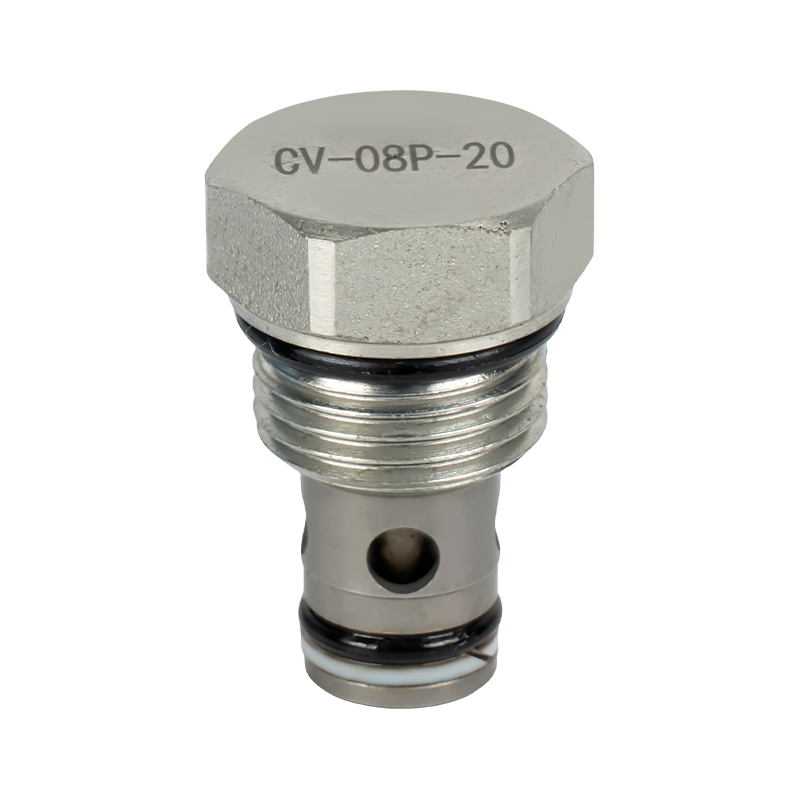
Hydraulic Cartridge Check Valve
-
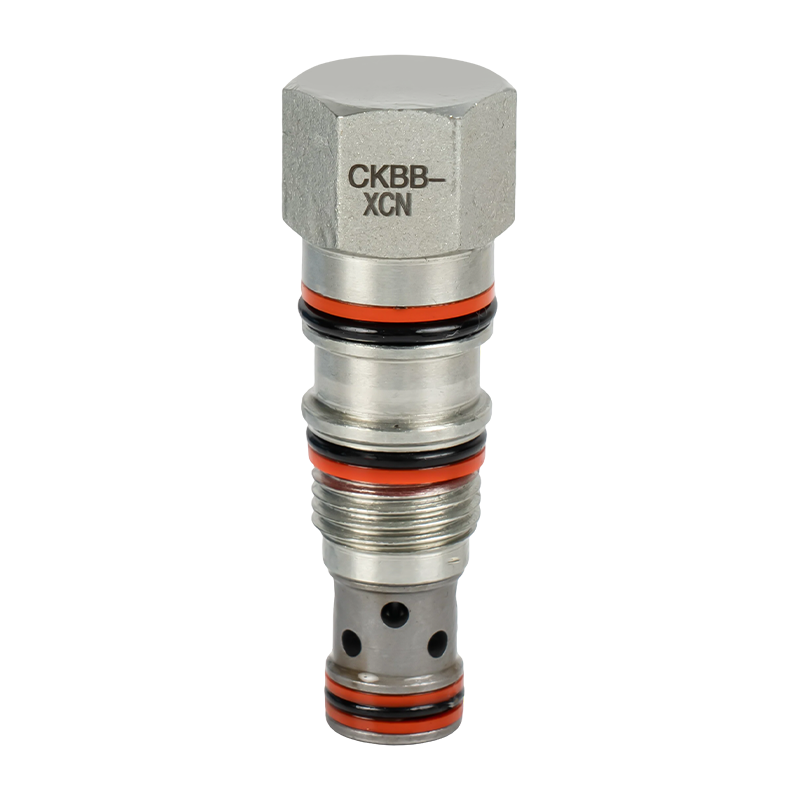
Hydraulic Pilot Operated Cartridge Check Valve
-
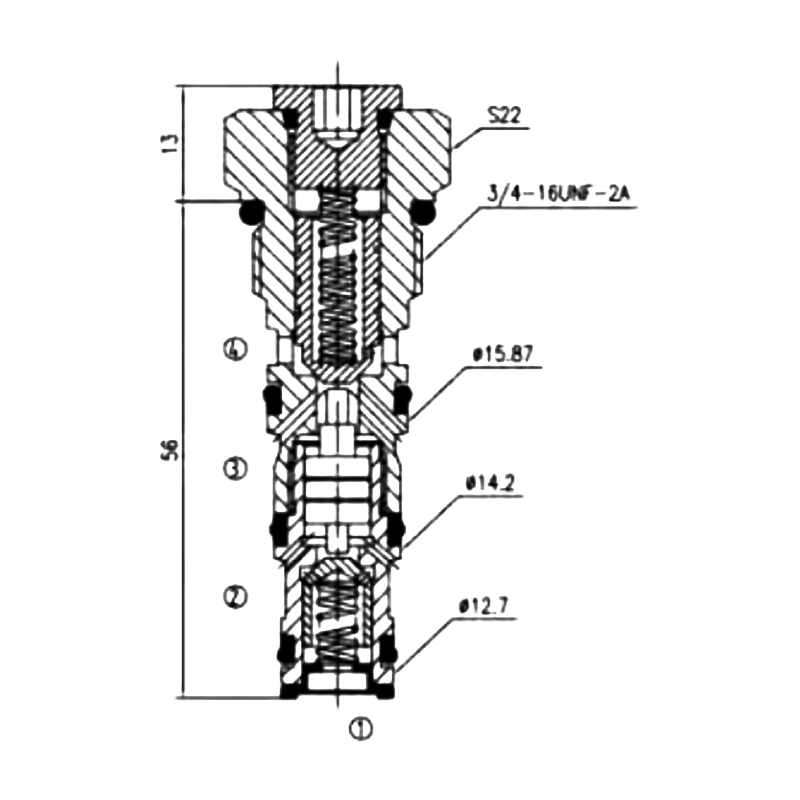
Dual Pilot Operated Check Valve
-

Hydraulic Cartridge Shuttle Valve
-
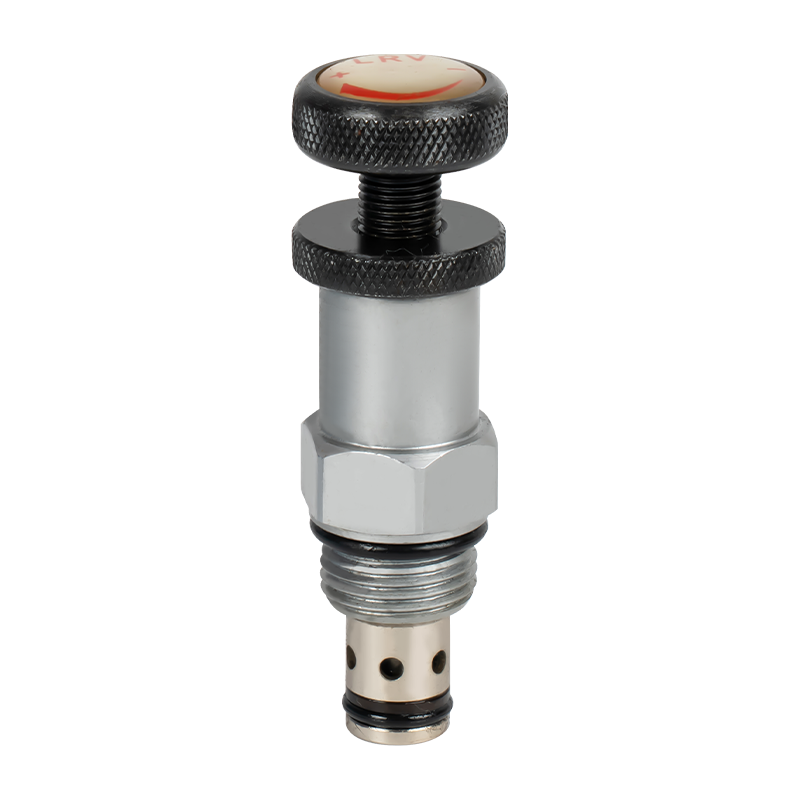
Direct Acting Poppet Relief Valve
-
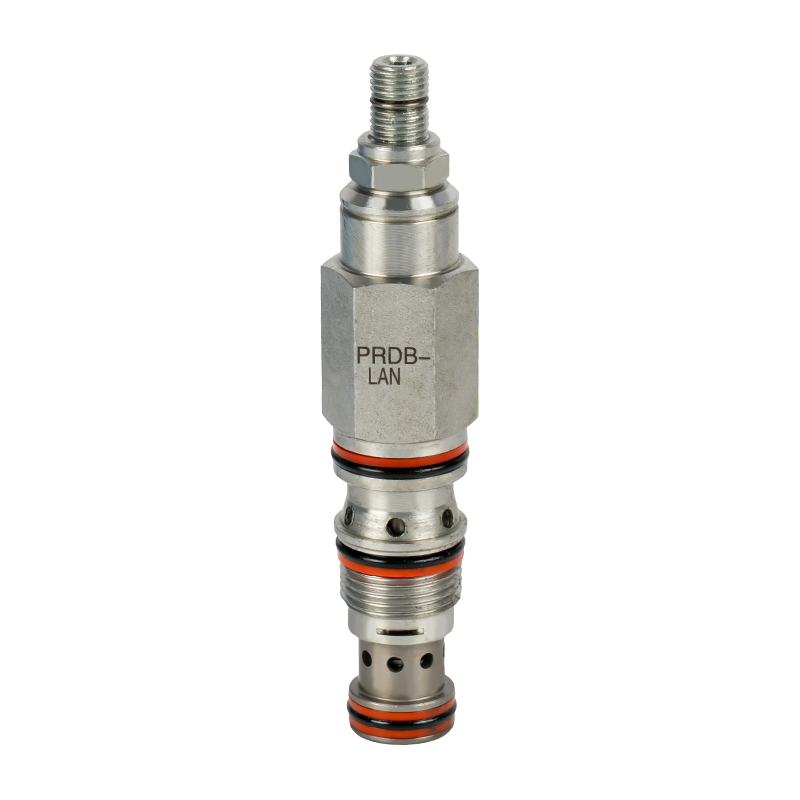
Pilot Operated Spool Pressure Reducing Valve
-
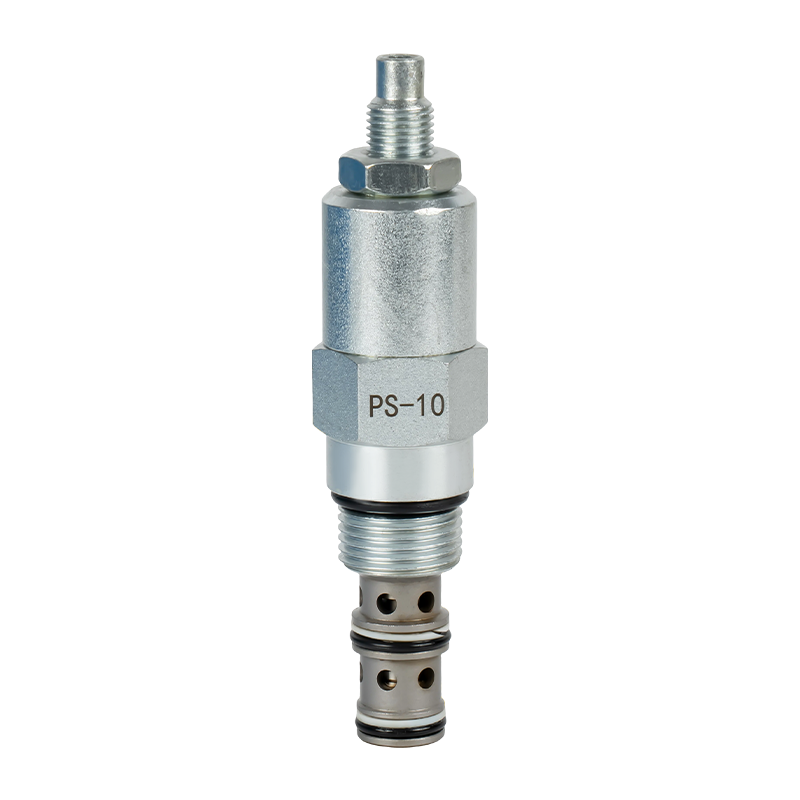
Direct Acting Spool Sequence Valve
-
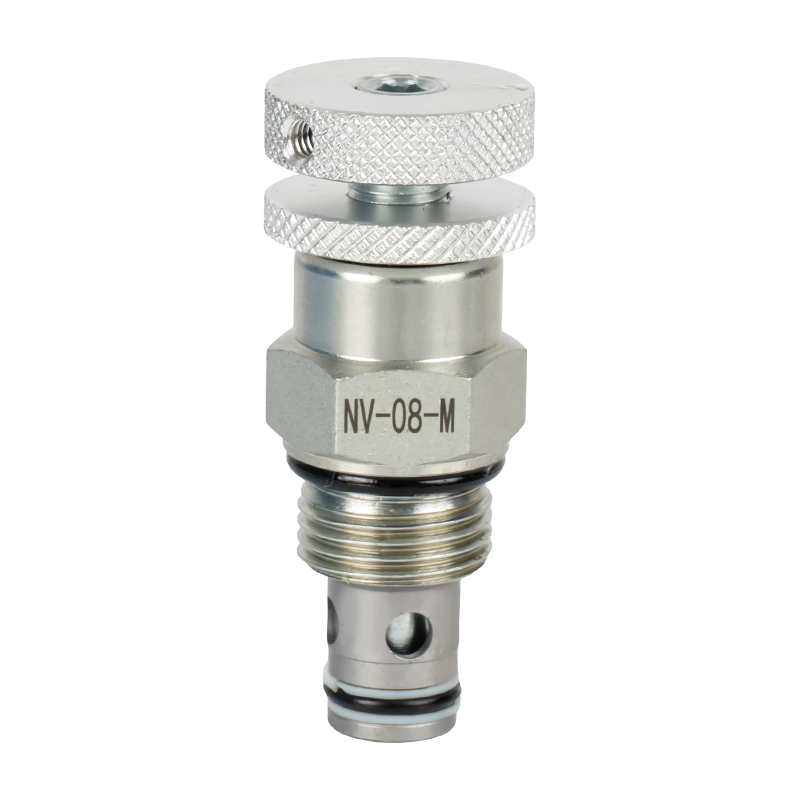
Adjustable Orifice Hydraulic Cartridge Needle Valve
Get In Touch
Follow Us
Quick Links
Product Category
Contact Us
- Phone: +86-18067156069
- Landline: +86-574-86458993
- E-mail: stars@china-stars.com.cn
Copyright © Ningbo Stars Hydraulic Co., Ltd. All Rights Reserved.
