 en
en Home / News and Blog / Company News / What is the difference between threaded cartridge valves and other types of valves?

Company News
May 07,2023
What is the difference between threaded cartridge valves and other types of valves?
In hydraulic and pneumatic systems, valves are a very important component. The function of a valve is to control the flow of hydraulic and pneumatic pressure, thereby enabling system control and regulation. Among valves, threaded cartridge valves differ from other types in several ways.
Differences in Structural Design
Threaded cartridge valves have a relatively simple structure, typically consisting of a spool and a valve body. The spool is a movable component that controls the flow of fluid or gas by rotating or sliding. The valve body is a fixed housing used to secure the spool and seal the valve. Other types of valves, such as ball valves, butterfly valves, and diaphragm valves, have more diverse structural designs. Their structures and control methods differ from one another.
Differences in Control Methods
Threaded cartridge valves are typically controlled by rotation or linear movement. The flow of liquids or gases is regulated by rotating or moving the valve spool. In contrast, other types of valves employ different control methods. For example, ball valves control the flow by rotating a ball; butterfly valves control the flow by rotating a disc; and diaphragm valves control the flow by compressing a diaphragm.
Different Application Scenarios
Hydraulic threaded cartridge valves are typically used in hydraulic and pneumatic systems to control the flow of liquids and gases. These valves are commonly found in automated control systems within industrial production. Other types of valves, however, have different application scenarios. For example, ball valves are often used in municipal water supply systems and oil and gas transmission systems; butterfly valves are commonly used in food processing and the chemical industry; and diaphragm valves are frequently used in the pharmaceutical, food, and chemical industries.
Different Maintenance Methods
Threaded cartridge valves generally offer the advantage of being easy to maintain, such as being simple to disassemble and reassemble, and easy to clean and lubricate. Other types of valves, however, may require more complex maintenance procedures. For example, ball valves and butterfly valves require regular inspection and maintenance of their sealing components during use, while diaphragm valves require periodic replacement of the diaphragm.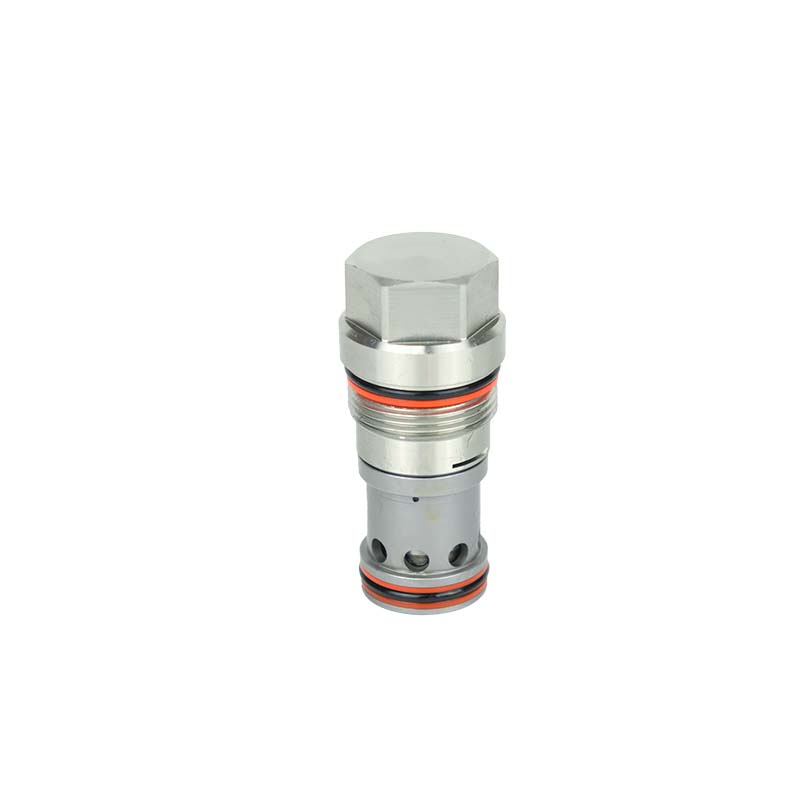
RELATED PRODUCTS
-
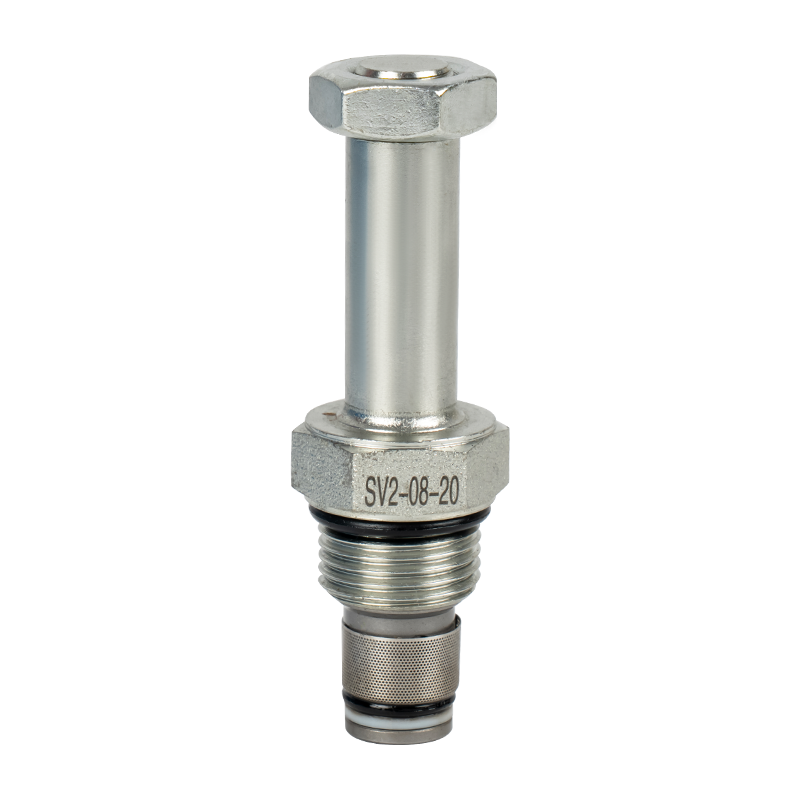
2-Way 2-Position Hydraulic Solenoid Cartridge Valve
-
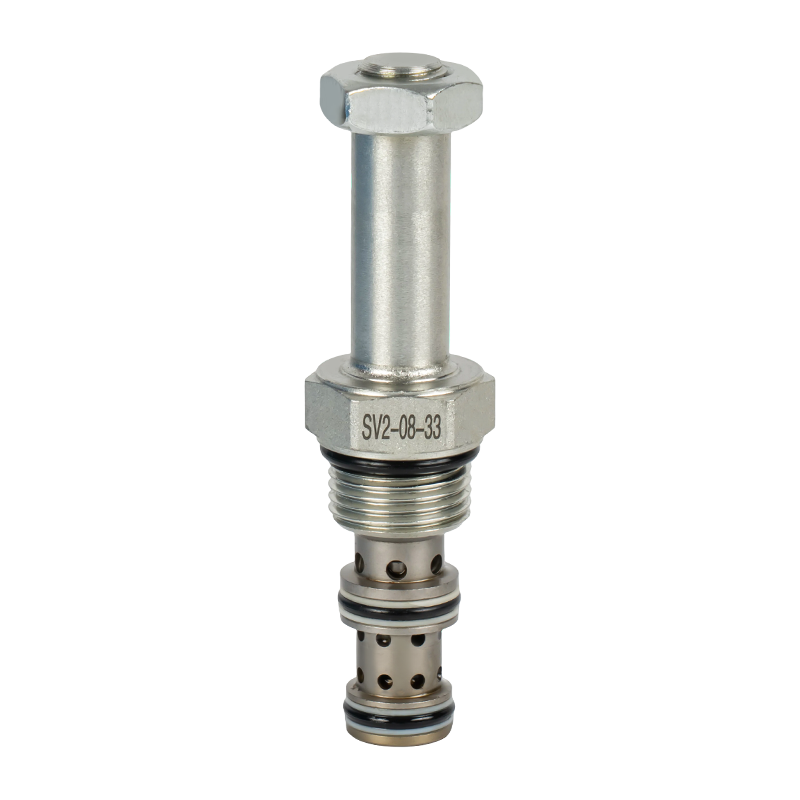
3-Way 2-Position Hydraulic Solenoid Cartridge Valve
-
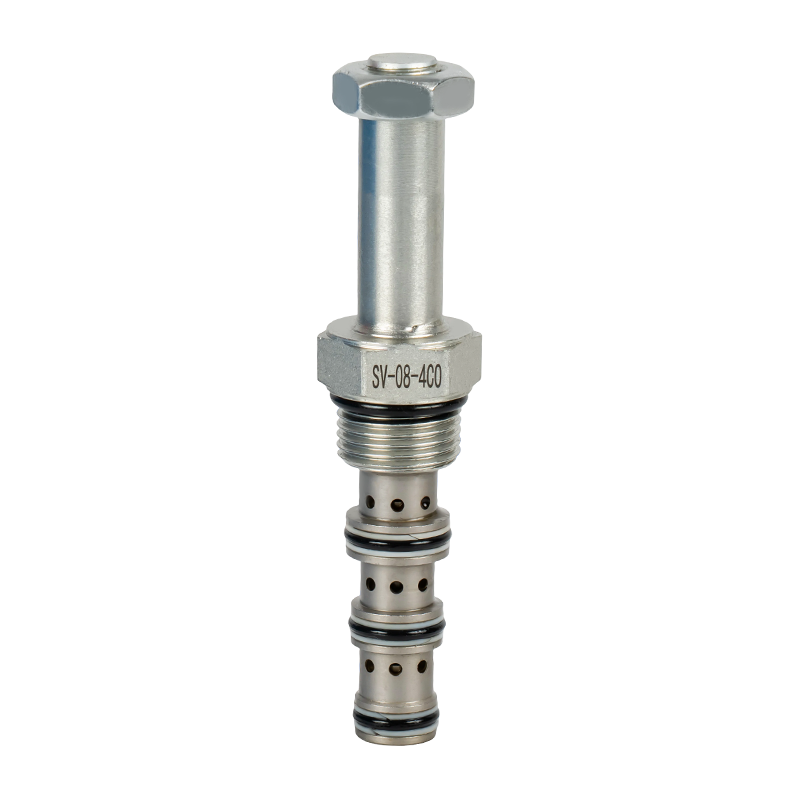
4-Way 2-Position Hydraulic Solenoid Cartridge Valve
-
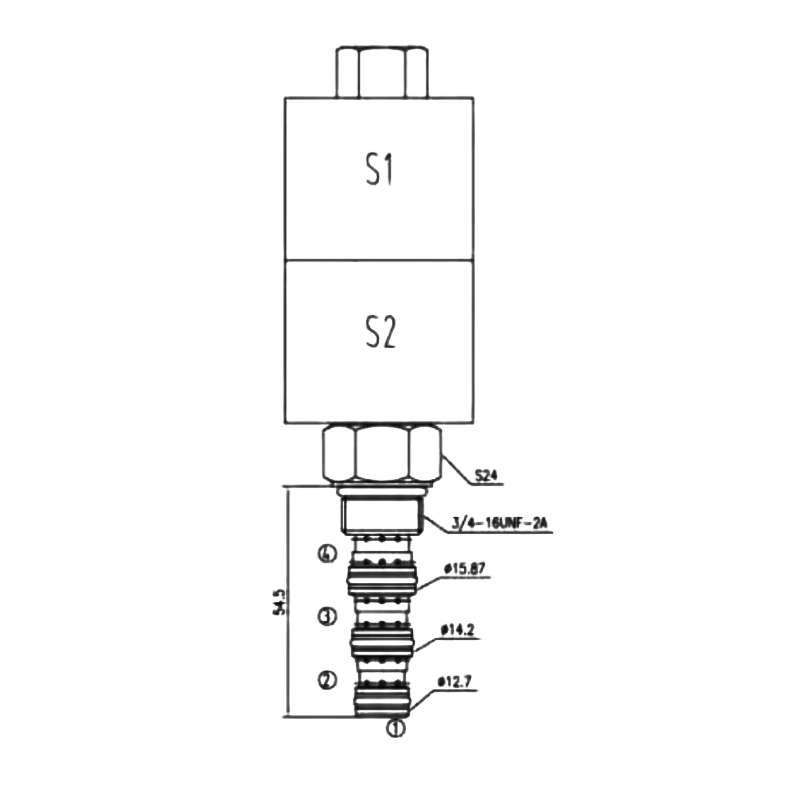
4-Way 3-Position Hydraulic Solenoid Cartridge Valve
-
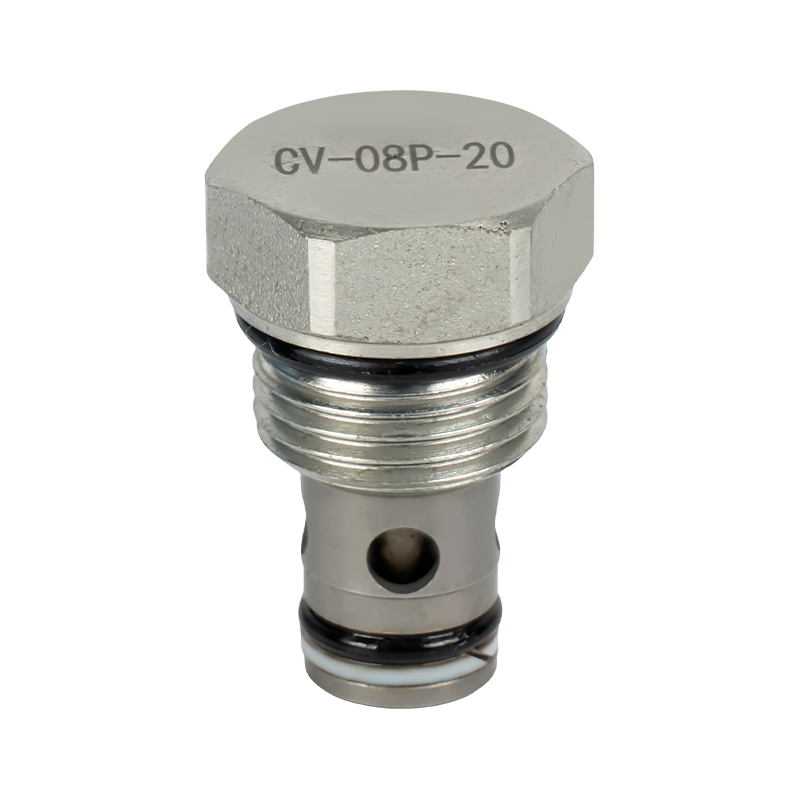
Hydraulic Cartridge Check Valve
-
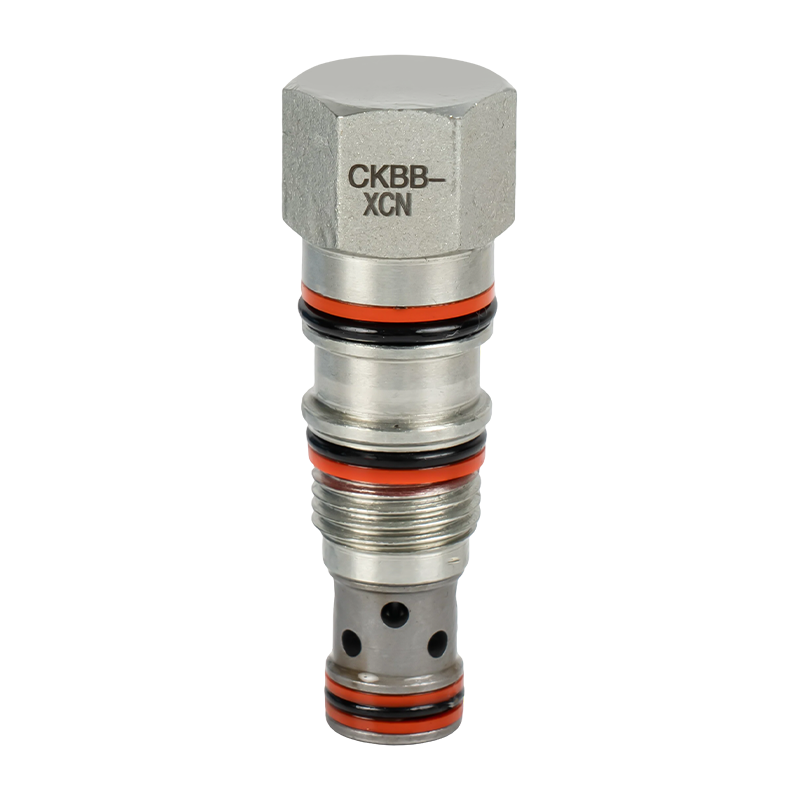
Hydraulic Pilot Operated Cartridge Check Valve
-
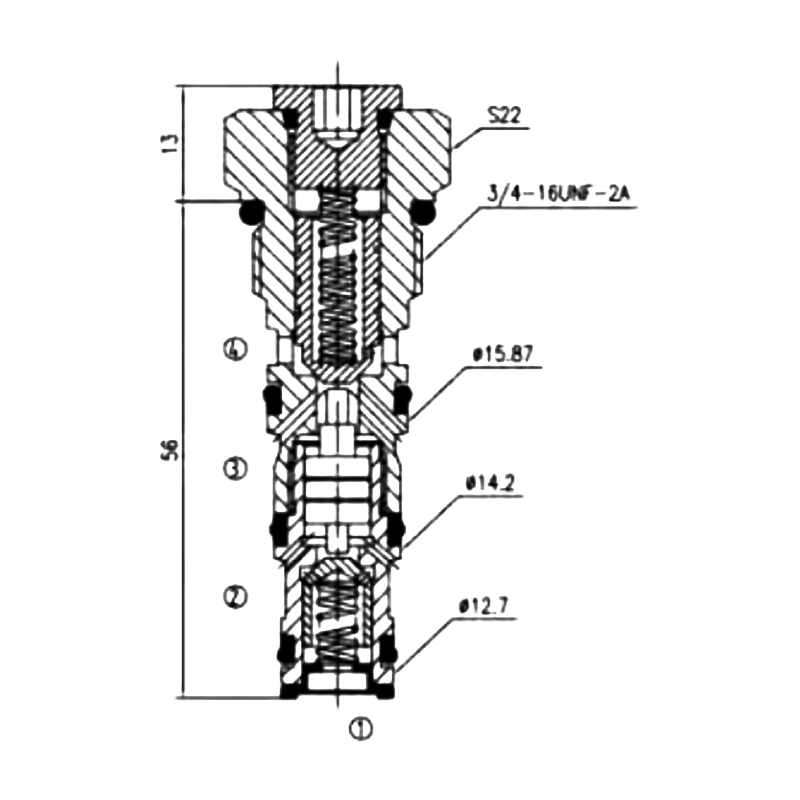
Dual Pilot Operated Check Valve
-

Hydraulic Cartridge Shuttle Valve
-
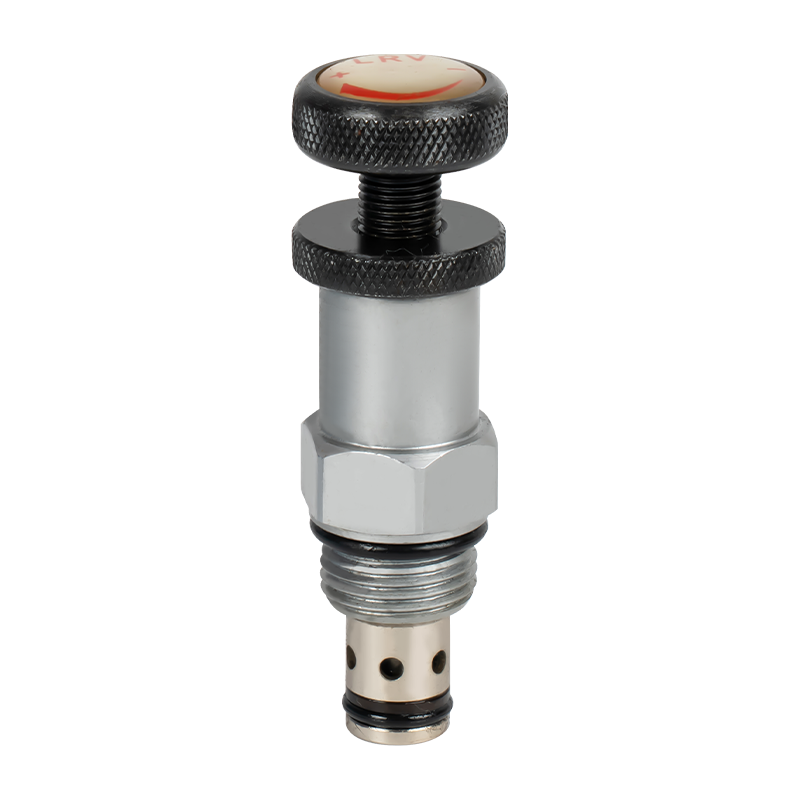
Direct Acting Poppet Relief Valve
-
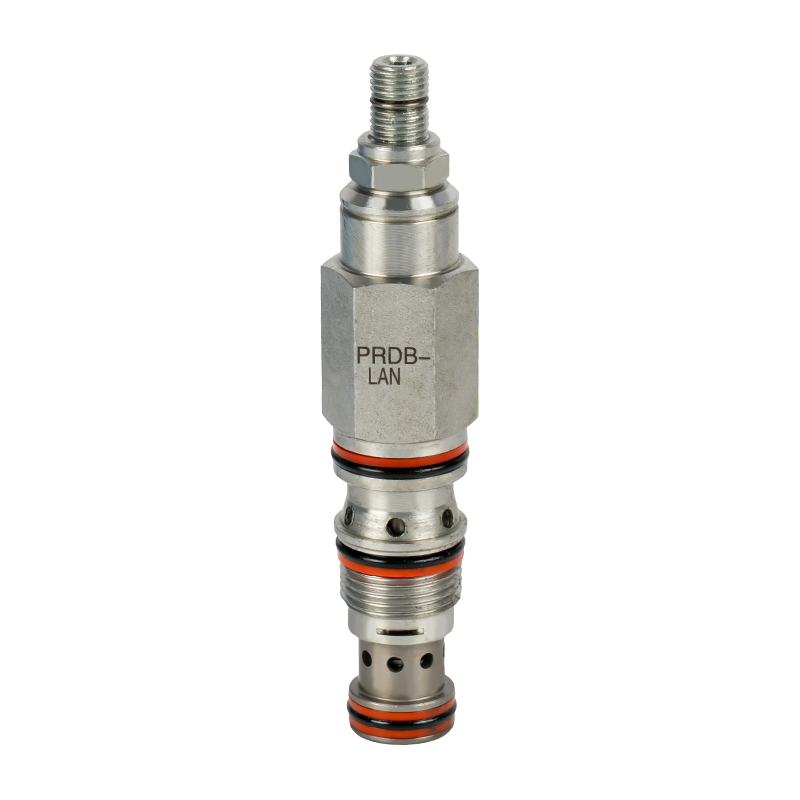
Pilot Operated Spool Pressure Reducing Valve
-
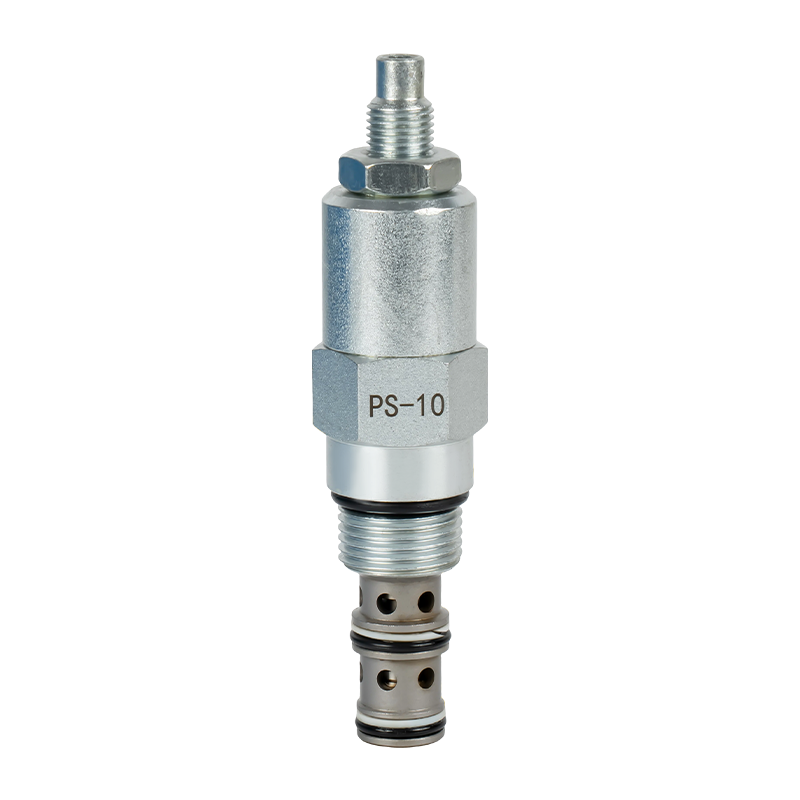
Direct Acting Spool Sequence Valve
-
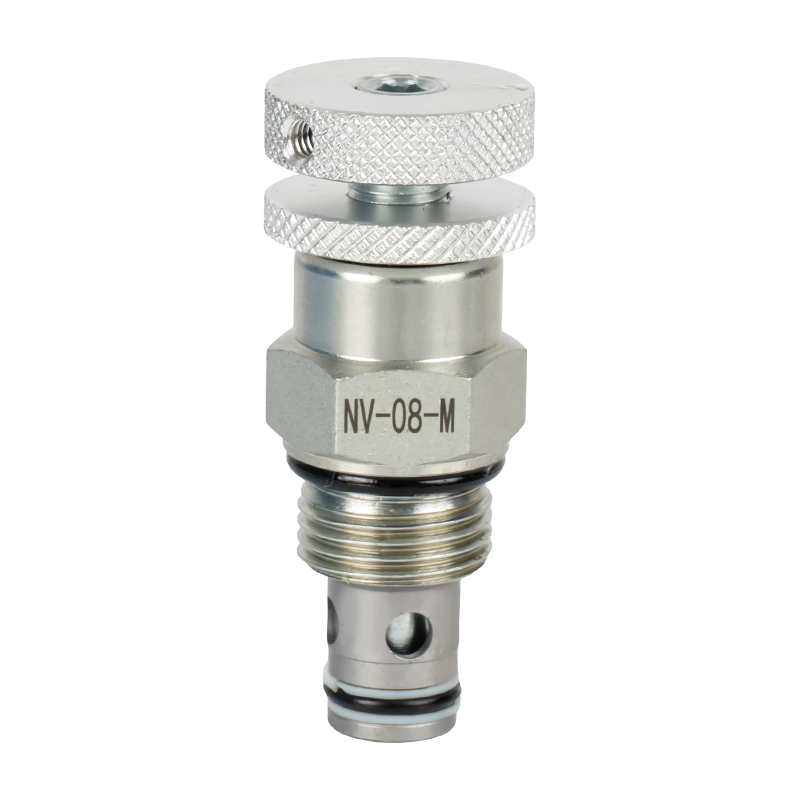
Adjustable Orifice Hydraulic Cartridge Needle Valve
Get In Touch
Follow Us
Quick Links
Product Category
Contact Us
- Phone: +86-18067156069
- Landline: +86-574-86458993
- E-mail: stars@china-stars.com.cn
Copyright © Ningbo Stars Hydraulic Co., Ltd. All Rights Reserved.
