 en
en
Company News
May 13,2023
Working Principle and Mechanism of Threaded Cartridge Valves
Threaded cartridge valves control a system by regulating the flow of liquids or gases.
Typically, the internal structure of a threaded cartridge valve includes a valve spool, a valve seat, and a valve body. The valve spool is the core component of the valve and is usually made of metal or plastic. It controls the flow of liquids or gases through rotation or push-pull action. The valve seat is the sealing component of the valve, typically made of rubber or other corrosion-resistant materials. It ensures that the valve provides a complete seal when closed. The valve body is the valve’s outer casing, usually made of metal or plastic. It protects the valve’s internal components and provides structural support.
When a liquid or gas passes through a threaded cartridge valve, it flows through the space between the valve spool and the valve seat, thereby regulating flow rate and pressure. The position of the valve spool determines the valve’s state, which is typically classified as either open or closed. As the valve spool rotates or slides, the valve’s state changes accordingly. By controlling the valve’s state, the flow of liquid or gas can be regulated.
Principle
The principle of the threaded plug valve is based on Bernoulli’s equation and Boyle’s law. Bernoulli’s equation states that as a liquid or gas flows through a pipe, there is an inverse relationship between its velocity and pressure. When a liquid or gas passes through a threaded plug valve, its velocity changes as the valve’s state changes, thereby affecting its pressure.
Boyle’s Law states that as a liquid or gas flows through a pipe, there is a direct proportional relationship between its flow rate and pressure. A threaded cartridge valve controls the position of the valve spool to alter the direction and flow rate of the liquid or gas, thereby affecting its pressure.
In summary, the operating principles of threaded plug valves are based on Bernoulli’s principle and Boyle’s law. By controlling the position of the valve plug, they regulate the flow of liquids or gases, thereby enabling control of the system. In practical applications, different types of threaded plug valves can be selected based on their operating principles and intended uses to meet various control requirements.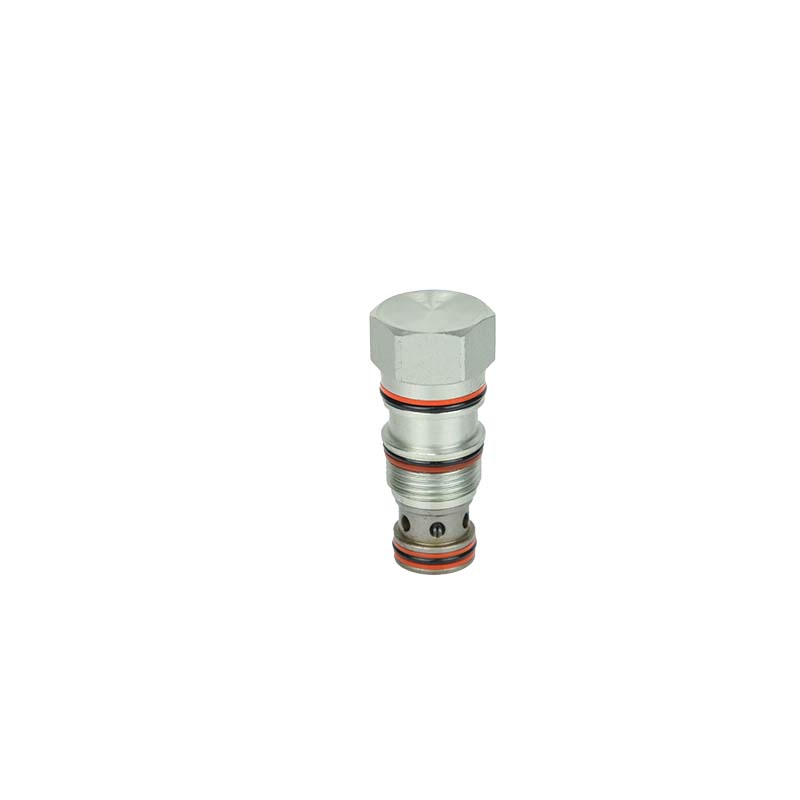
RELATED PRODUCTS
-
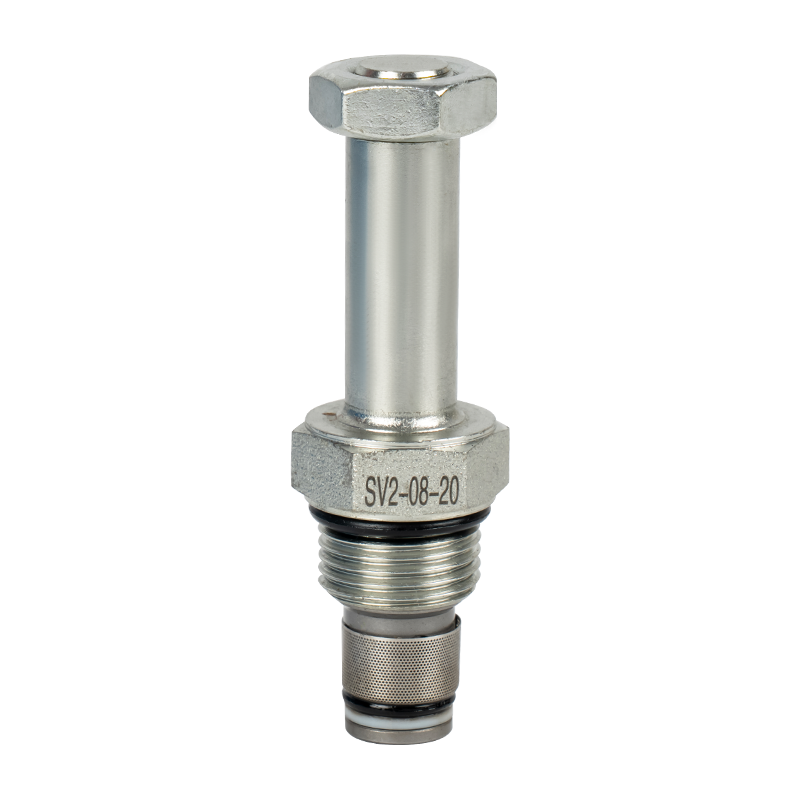
2-Way 2-Position Hydraulic Solenoid Cartridge Valve
-
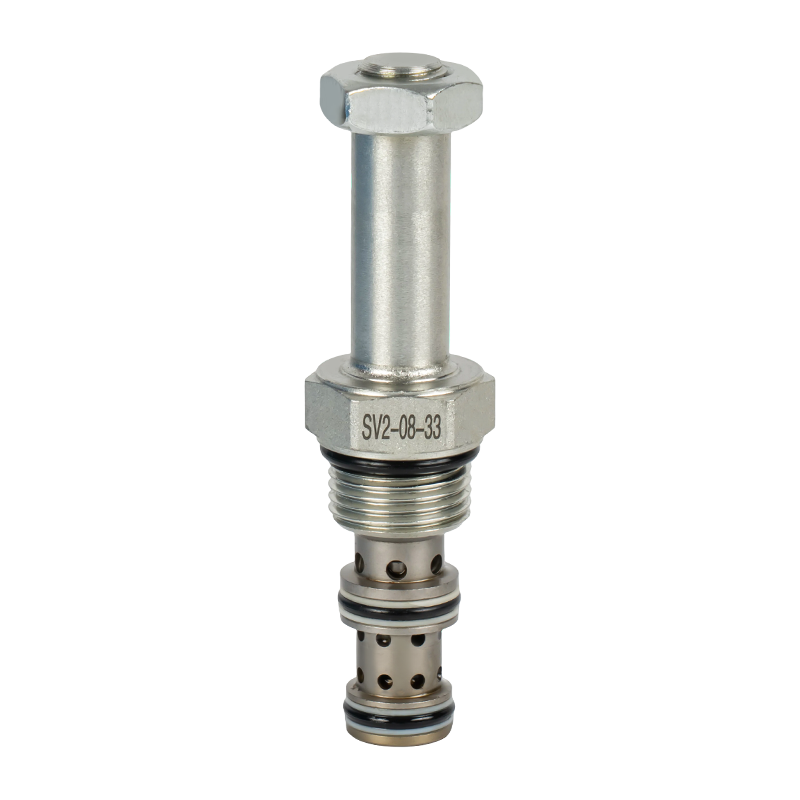
3-Way 2-Position Hydraulic Solenoid Cartridge Valve
-
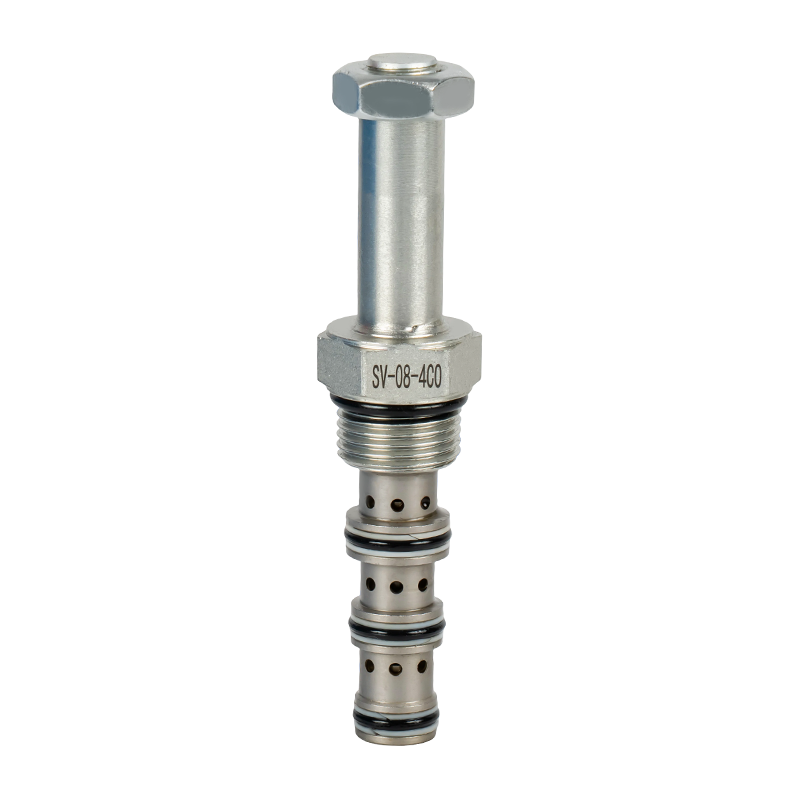
4-Way 2-Position Hydraulic Solenoid Cartridge Valve
-
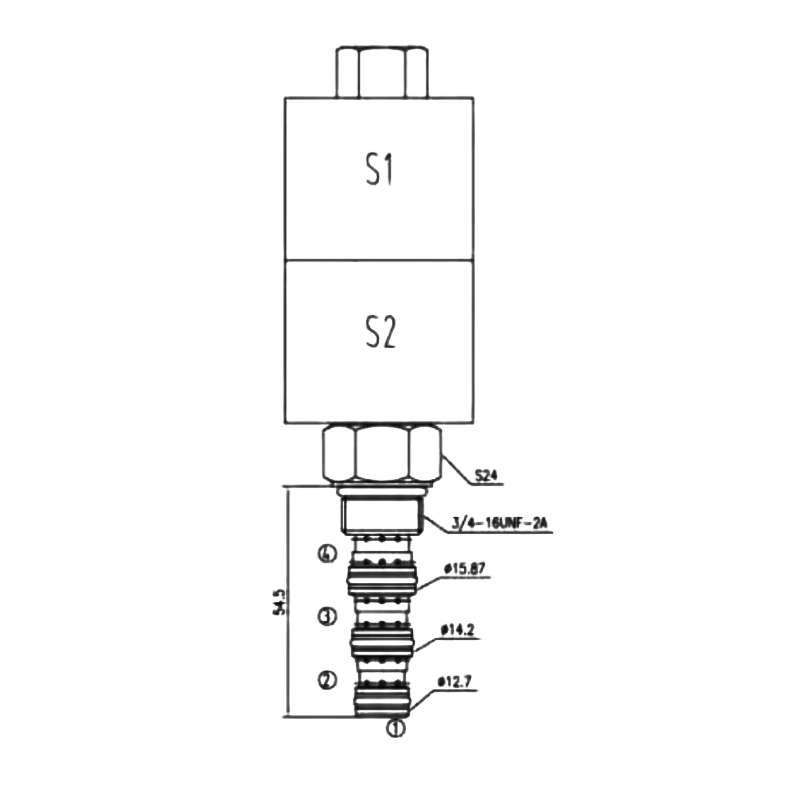
4-Way 3-Position Hydraulic Solenoid Cartridge Valve
-
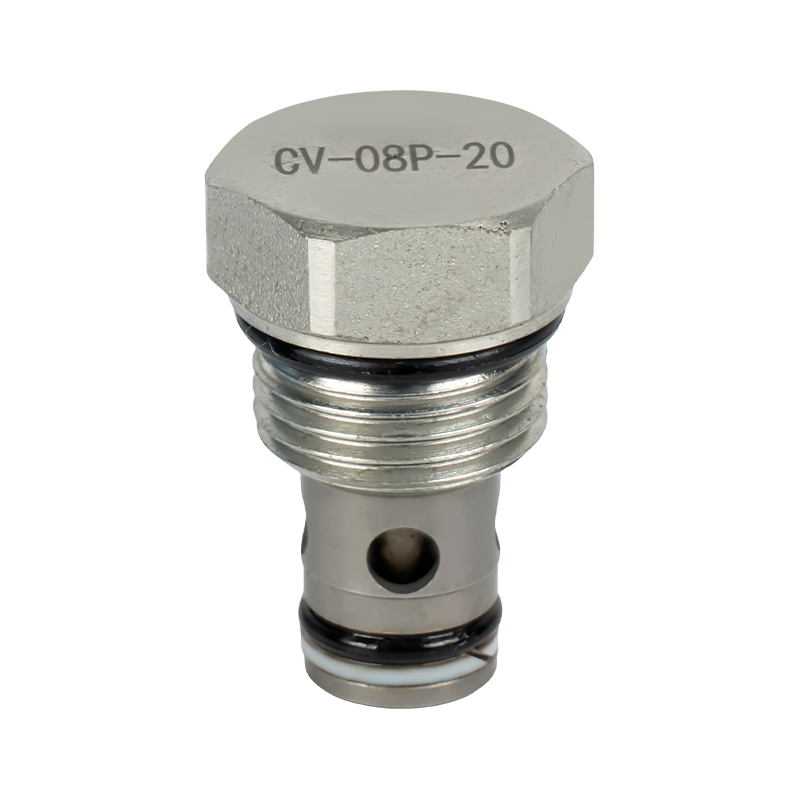
Hydraulic Cartridge Check Valve
-
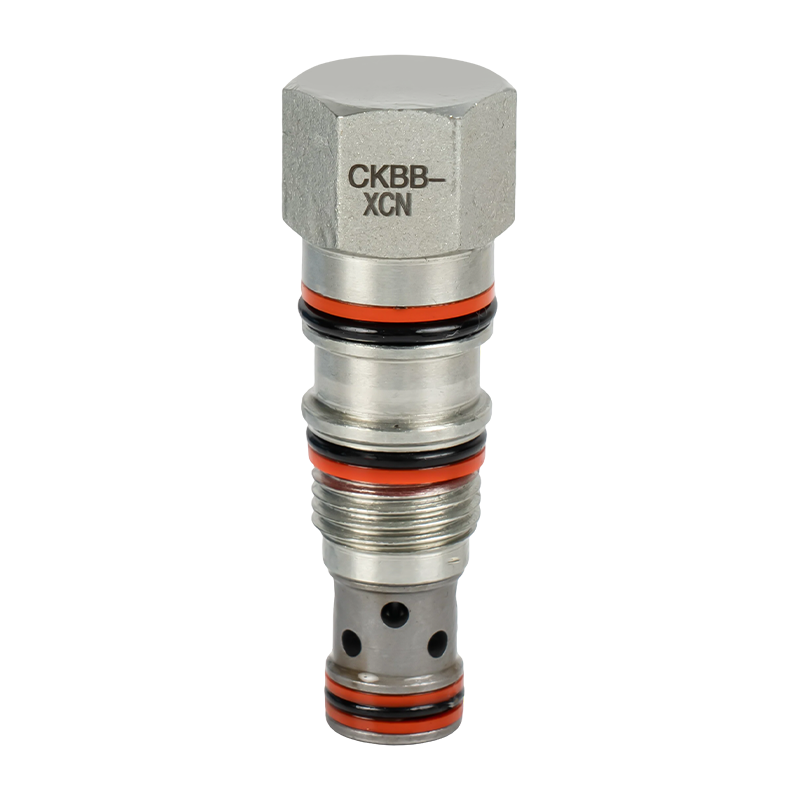
Hydraulic Pilot Operated Cartridge Check Valve
-
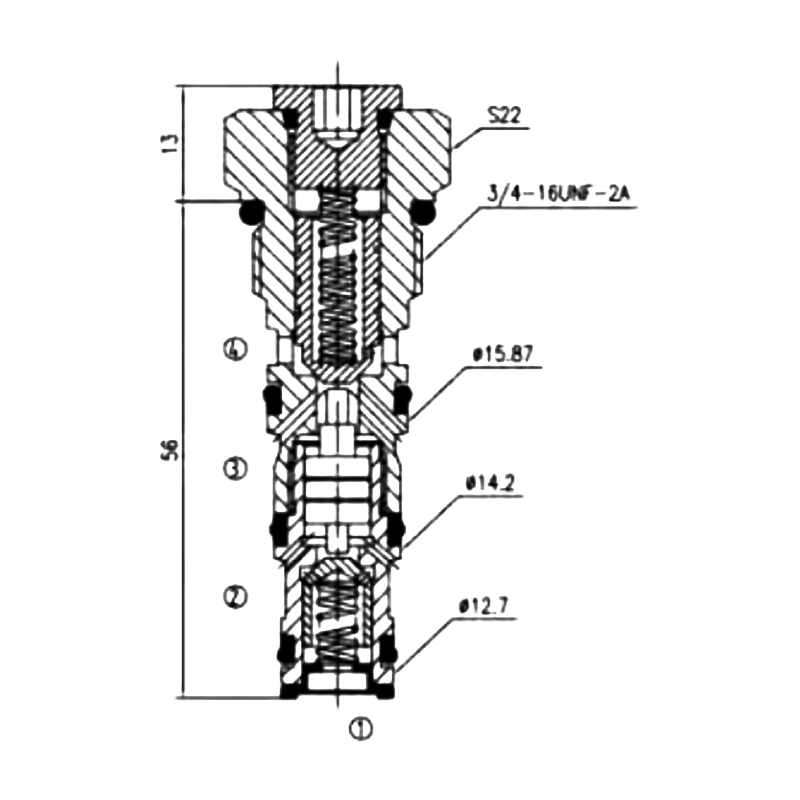
Dual Pilot Operated Check Valve
-

Hydraulic Cartridge Shuttle Valve
-
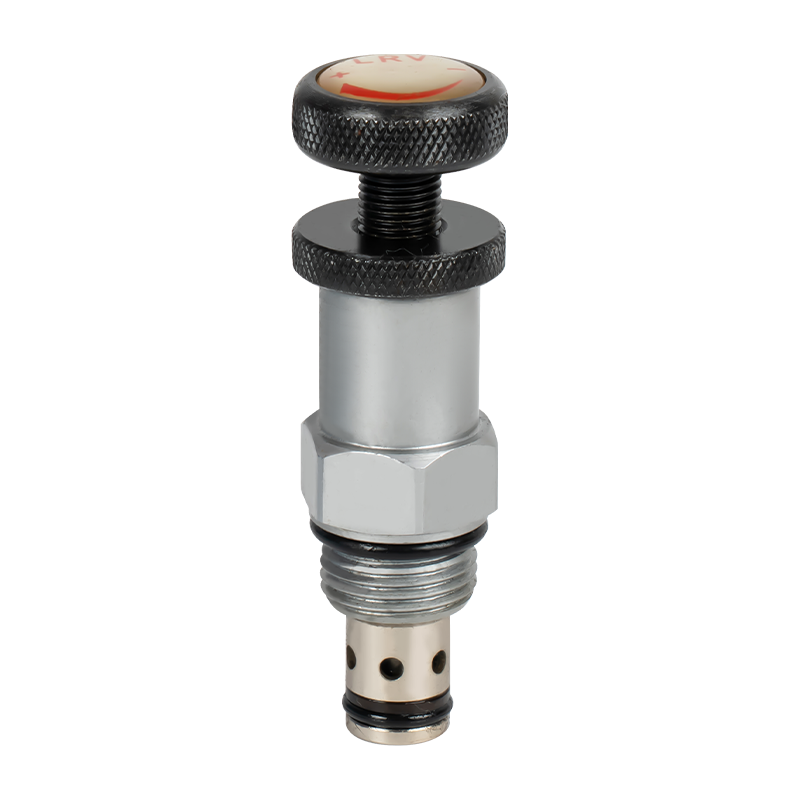
Direct Acting Poppet Relief Valve
-
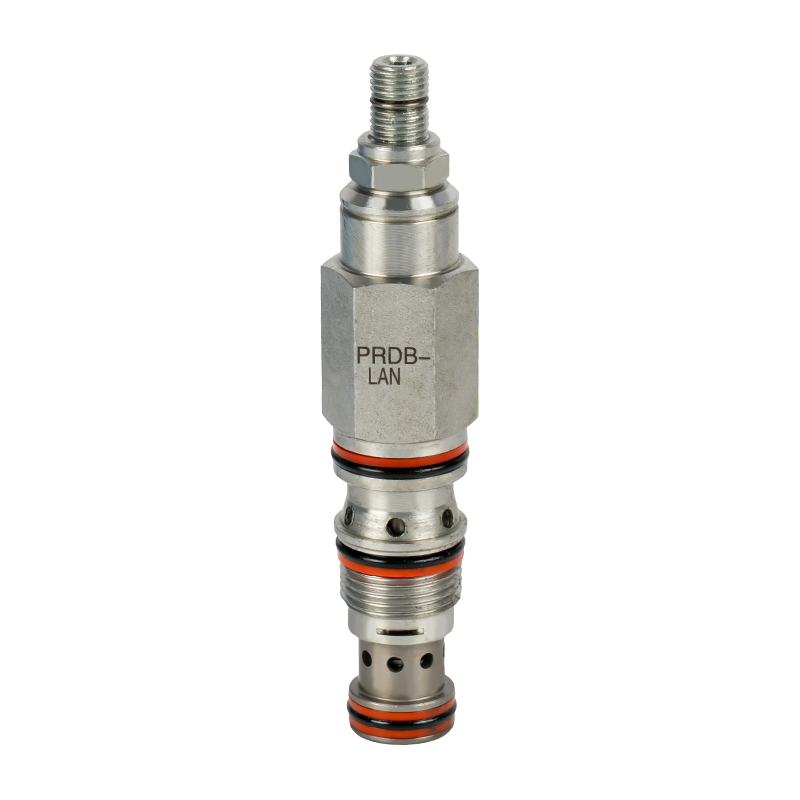
Pilot Operated Spool Pressure Reducing Valve
-
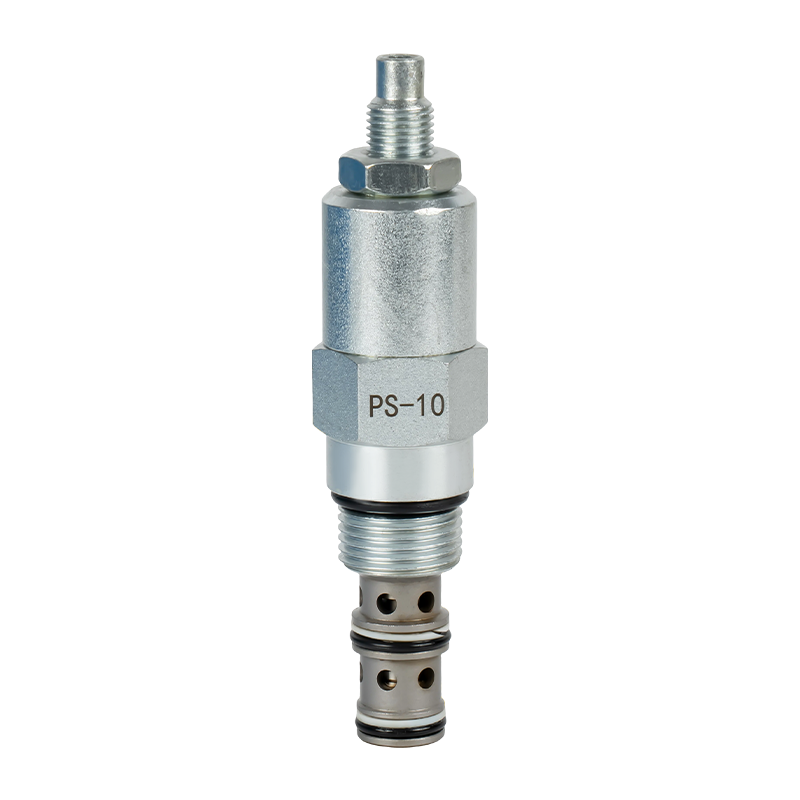
Direct Acting Spool Sequence Valve
-
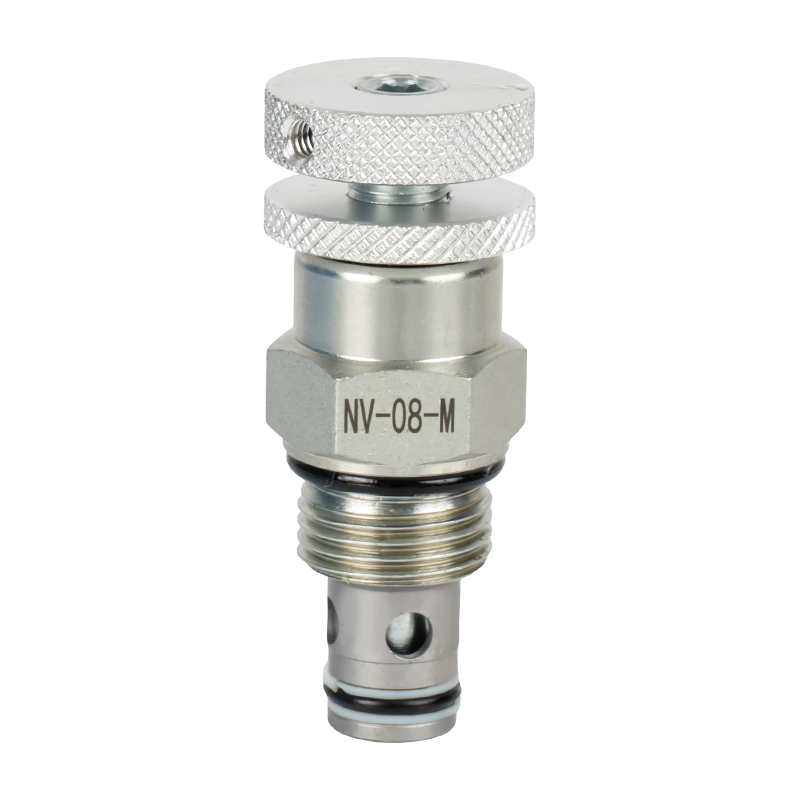
Adjustable Orifice Hydraulic Cartridge Needle Valve
Get In Touch
Follow Us
Quick Links
Product Category
Contact Us
- Phone: +86-18067156069
- Landline: +86-574-86458993
- E-mail: stars@china-stars.com.cn
Copyright © Ningbo Stars Hydraulic Co., Ltd. All Rights Reserved.
