 en
en
Industry News
Dec 10,2023
Common Problems with Cartridge Valves and Their Solutions
Cartridge valves are a type of valve commonly used in industrial systems to control fluid flow and pressure. However, due to prolonged use and other factors, cartridge valves can also experience some common malfunctions. In this article, we will discuss some common cartridge valve malfunctions and provide corresponding solutions.
Air or Fluid Leaks
Air or fluid leaks are among the most common malfunctions in hydraulic cartridge valves. This may be caused by damage to the valve itself, aging seals, or improper installation. If an air or fluid leak is detected, the valve’s sealing performance should be inspected promptly, and damaged seals should be replaced. When installing cartridge valves, care should be taken to select the appropriate seals and ensure they are installed correctly.
Valve Seizure
Valve seizure is a common failure in cartridge valves and may be caused by the ingress of contaminants, wear, or a malfunction of the valve itself. If the valve becomes stuck, try applying a gentle impact to resolve the issue. If this does not work, the valve will need to be replaced or repaired.
Valve Clogging
Valve clogging is another common failure of cartridge valves, which may be caused by impurities, sediment, or solid particles in the fluid. If a valve is found to be clogged, it can be cleaned or replaced.
Poor Throttling
Poor throttling refers to suboptimal throttling performance in cartridge valves, which may be caused by valve wear, damage, or improper installation. If poor throttling is detected, the valve’s throttling performance should be inspected promptly, followed by repair or replacement.
Unresponsive Operation
Unresponsive operation refers to a cartridge valve that does not operate smoothly, which may be caused by valve wear, the ingress of contaminants, or a malfunction in the operating mechanism. If unresponsive operation is detected, the valve’s operating mechanism should be inspected promptly, and the valve should be cleaned or replaced.
In summary, understanding common cartridge valve failures and their solutions is crucial for ensuring the normal operation of industrial systems. If you encounter a cartridge valve failure, you should promptly take appropriate repair or replacement measures to ensure the system operates efficiently.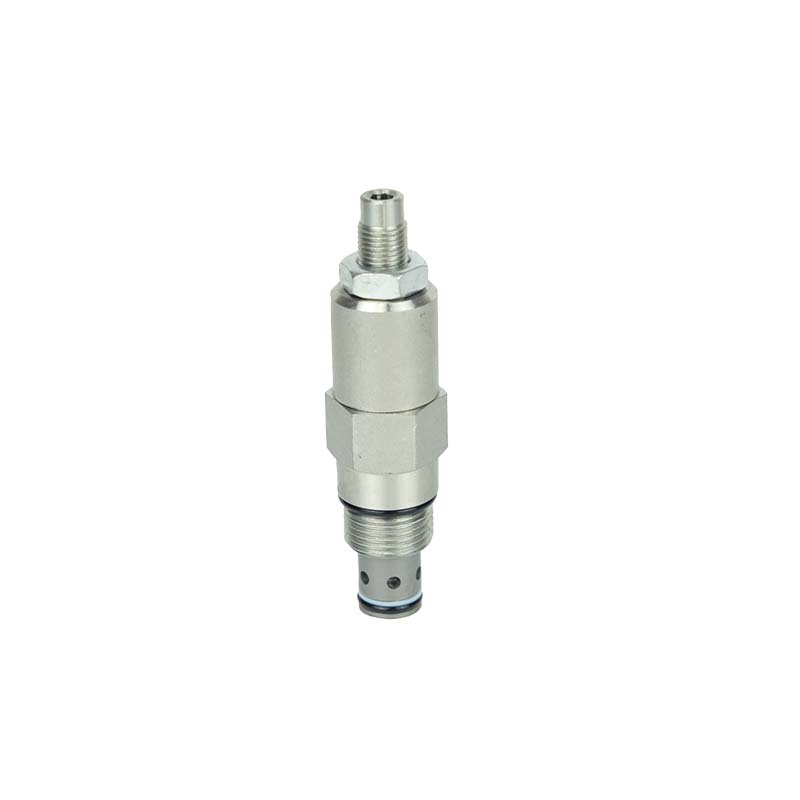
RELATED PRODUCTS
-
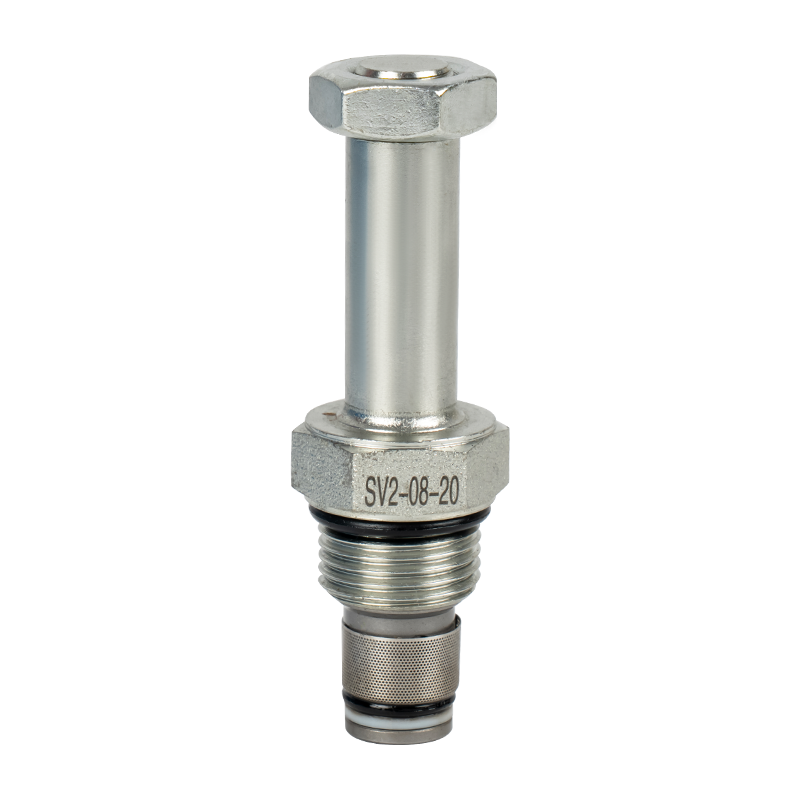
2-Way 2-Position Hydraulic Solenoid Cartridge Valve
-
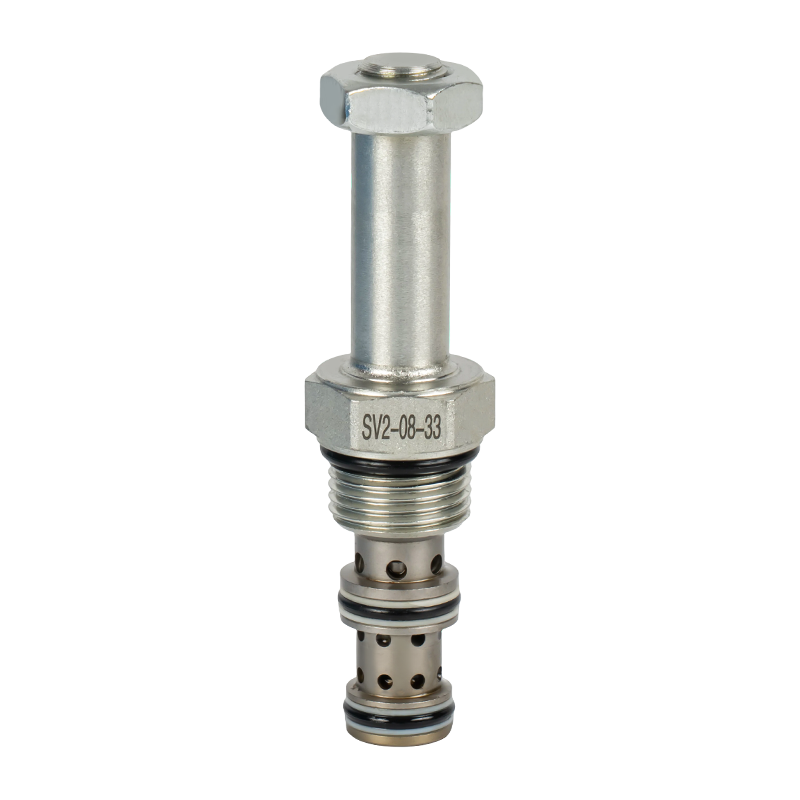
3-Way 2-Position Hydraulic Solenoid Cartridge Valve
-
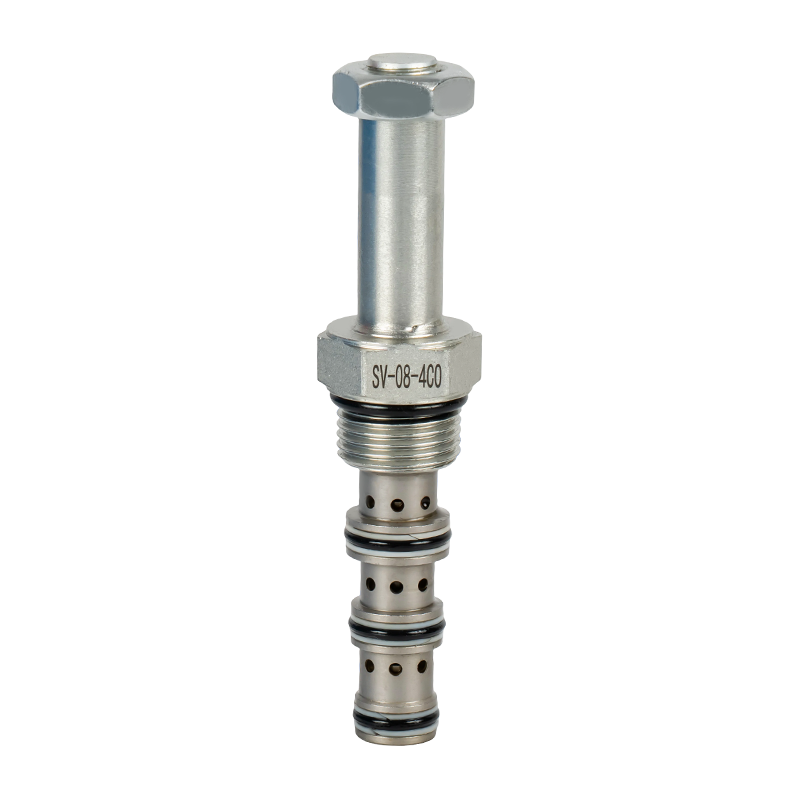
4-Way 2-Position Hydraulic Solenoid Cartridge Valve
-
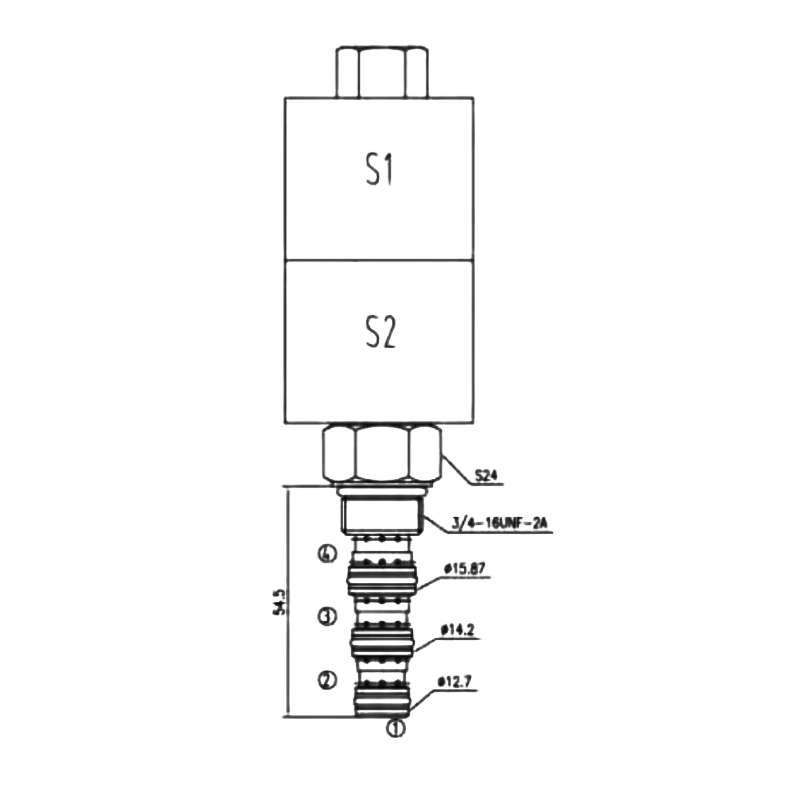
4-Way 3-Position Hydraulic Solenoid Cartridge Valve
-
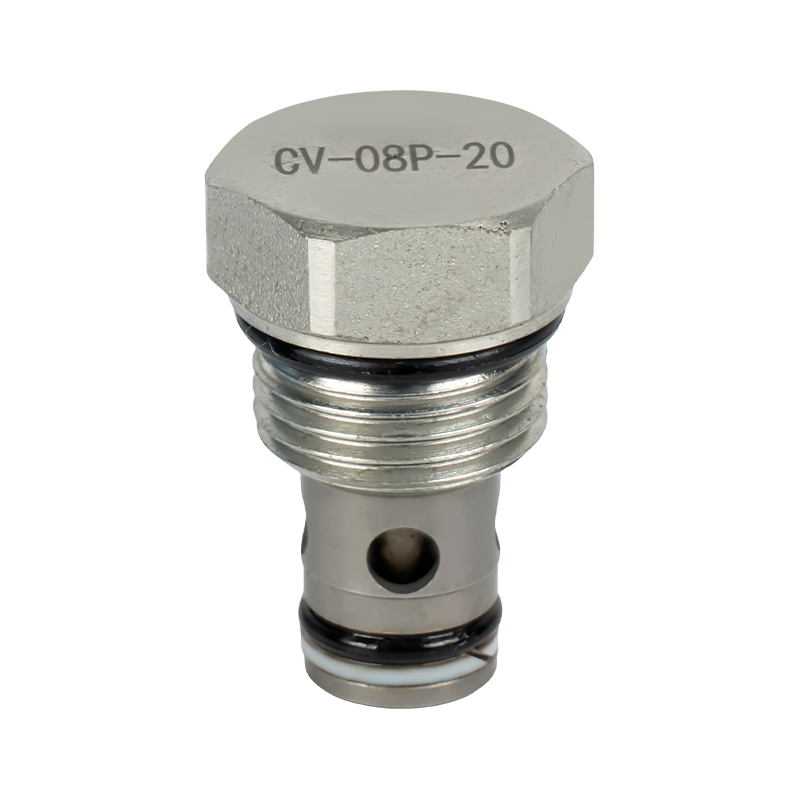
Hydraulic Cartridge Check Valve
-
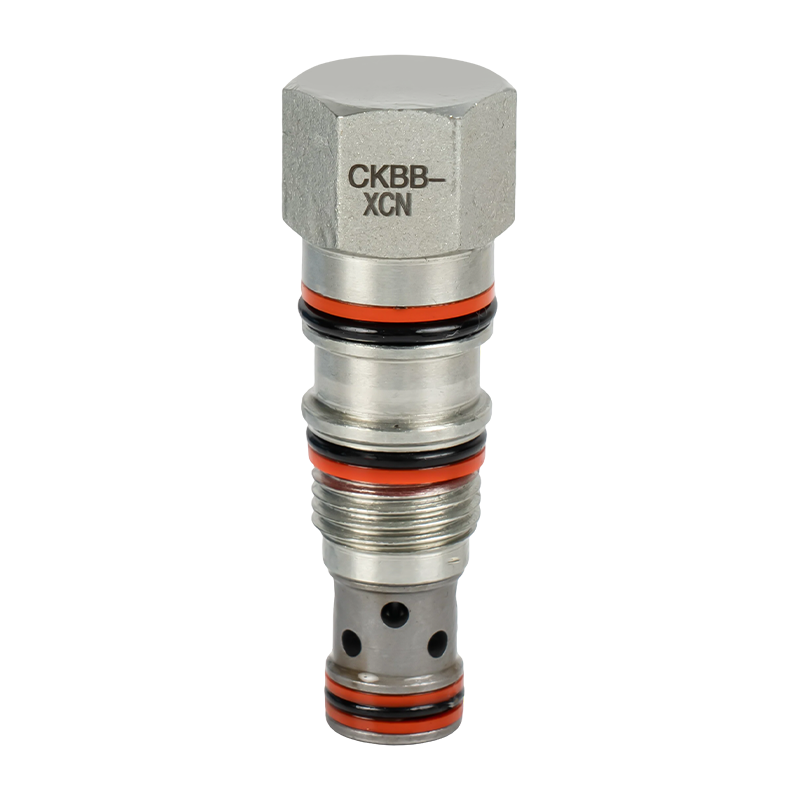
Hydraulic Pilot Operated Cartridge Check Valve
-
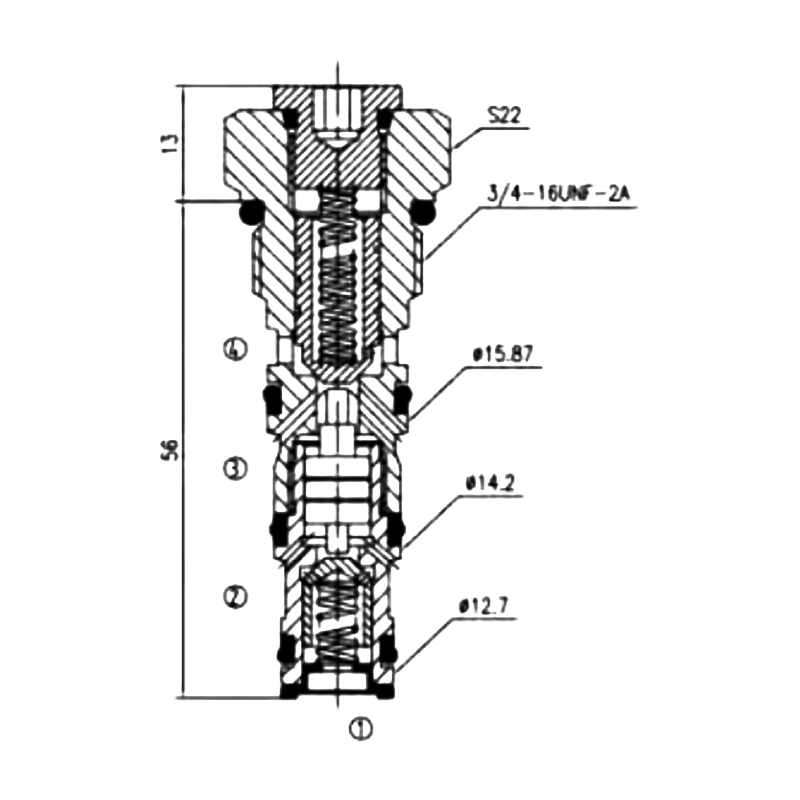
Dual Pilot Operated Check Valve
-

Hydraulic Cartridge Shuttle Valve
-
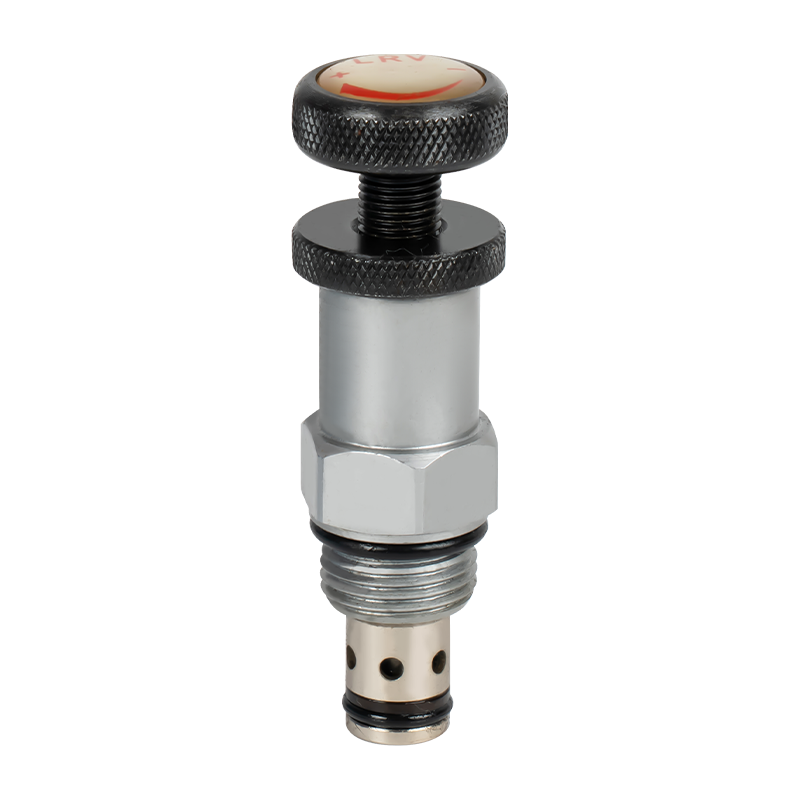
Direct Acting Poppet Relief Valve
-
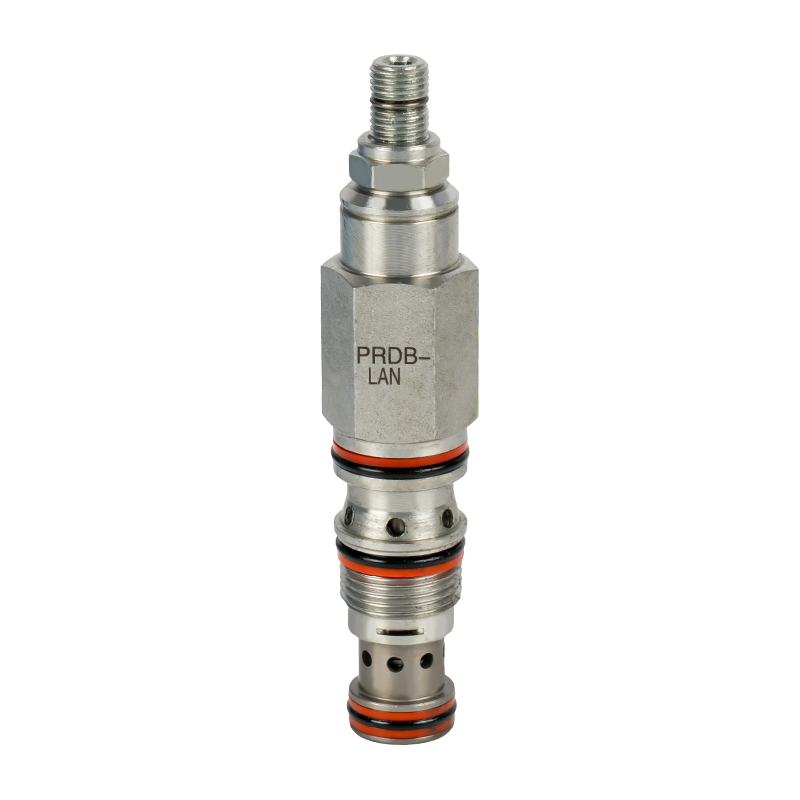
Pilot Operated Spool Pressure Reducing Valve
-
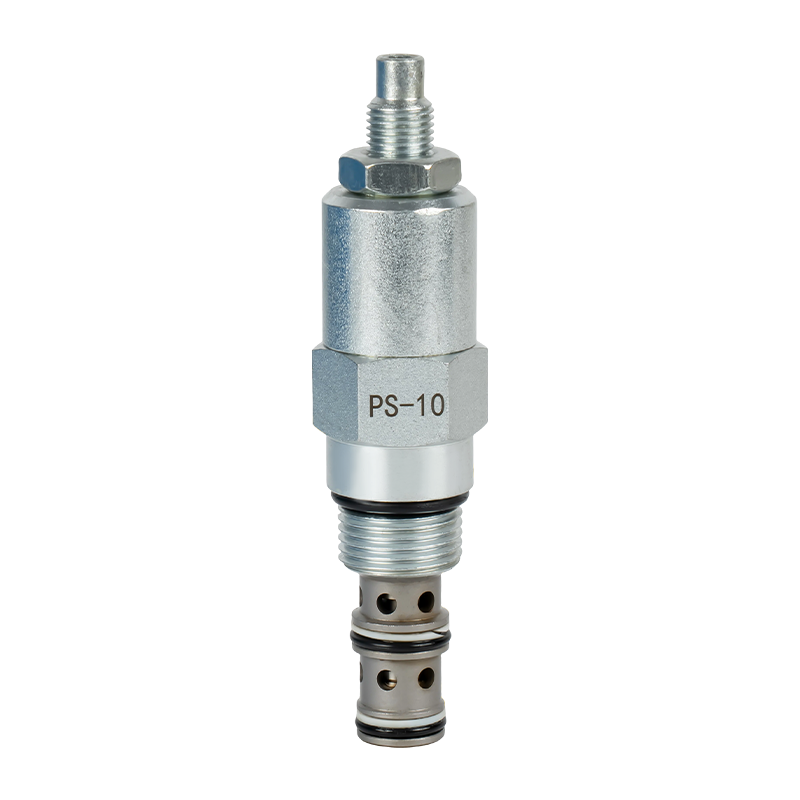
Direct Acting Spool Sequence Valve
-
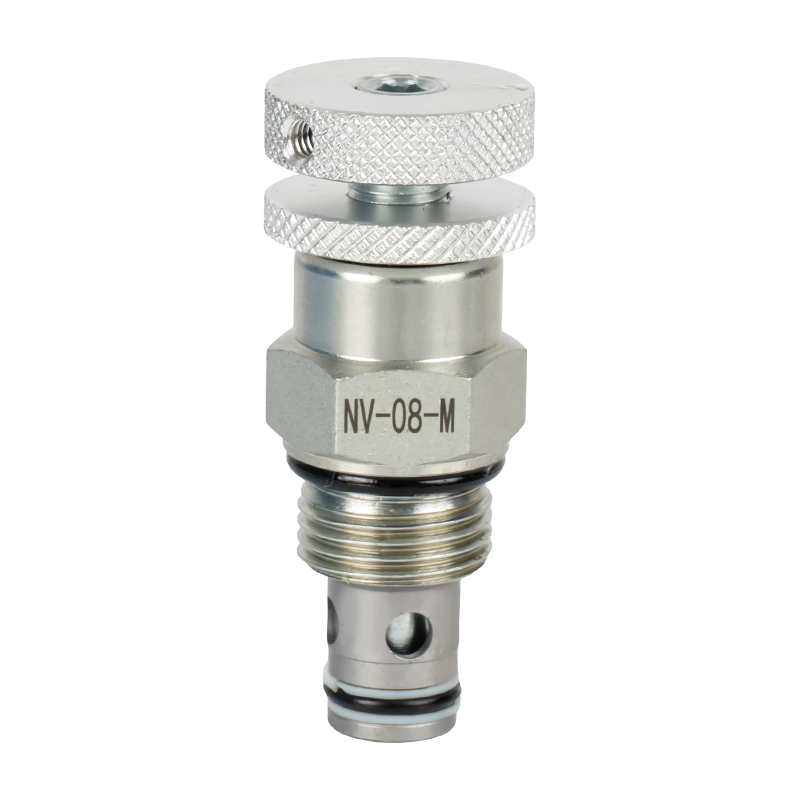
Adjustable Orifice Hydraulic Cartridge Needle Valve
Get In Touch
Follow Us
Quick Links
Product Category
Contact Us
- Phone: +86-18067156069
- Landline: +86-574-86458993
- E-mail: stars@china-stars.com.cn
Copyright © Ningbo Stars Hydraulic Co., Ltd. All Rights Reserved.
