 en
en Home / News and Blog / Industry News / Welded Cartridge Valves vs. Threaded Cartridge Valves: Which One Is Better Suited for Your Industrial System?

Industry News
Nov 18,2023
Welded Cartridge Valves vs. Threaded Cartridge Valves: Which One Is Better Suited for Your Industrial System?
With the continuous development and improvement of industrial systems, valves are being widely used in an increasing number of different applications. Threaded cartridge valves and welded cartridge valves are two common types of cartridge valves, each with its own advantages and limitations. This article will compare the pros and cons of these two types of cartridge valves to provide you with purchasing recommendations.
First, let’s understand the differences between threaded cartridge valves and welded cartridge valves. Threaded cartridge valves are connected to piping systems via threads; they are typically smaller in size and are widely used in high-pressure, high-temperature, and high-flow applications. They are generally easier to install and maintain than welded cartridge valves. Welded cartridge valves, on the other hand, are connected to piping systems via welding; they typically have higher pressure and temperature ratings and are suitable for more demanding environments and applications.
Next, we’ll compare the advantages and limitations of these two types of cartridge valves. The main advantages of threaded cartridge valves are simple installation, easy maintenance, and greater cost-effectiveness. Since they are typically smaller than welded cartridge valves, they can be installed more easily in confined spaces. Additionally, the design of threaded cartridge valves is simpler than that of welded cartridge valves, making them easier to maintain and less prone to failure. Hydraulic threaded cartridge valves also offer greater flexibility for replacement and maintenance, as they do not require cutting off the pipeline or rewelding, thereby reducing downtime.
However, threaded cartridge valves also have some limitations. Because they are typically smaller, they are not suitable for high-flow and high-pressure applications. Additionally, threaded cartridge valves require periodic tightening to ensure the integrity of the threaded connection. If not properly maintained, this can lead to leaks and other failures.
In contrast, welded cartridge valves can withstand higher pressures and temperatures, making them suitable for more demanding environments and applications. Welded cartridge valves can also be integrated more easily into piping systems, thereby improving the reliability of the entire system. Furthermore, welded cartridge valves typically provide a better seal than threaded cartridge valves, reducing the risk of leaks.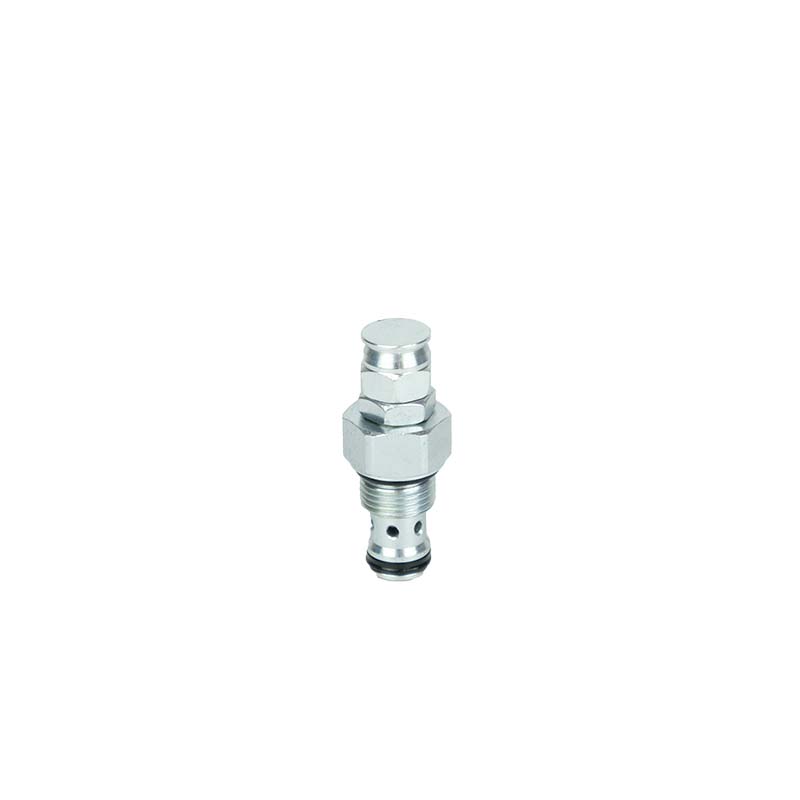
RELATED PRODUCTS
-
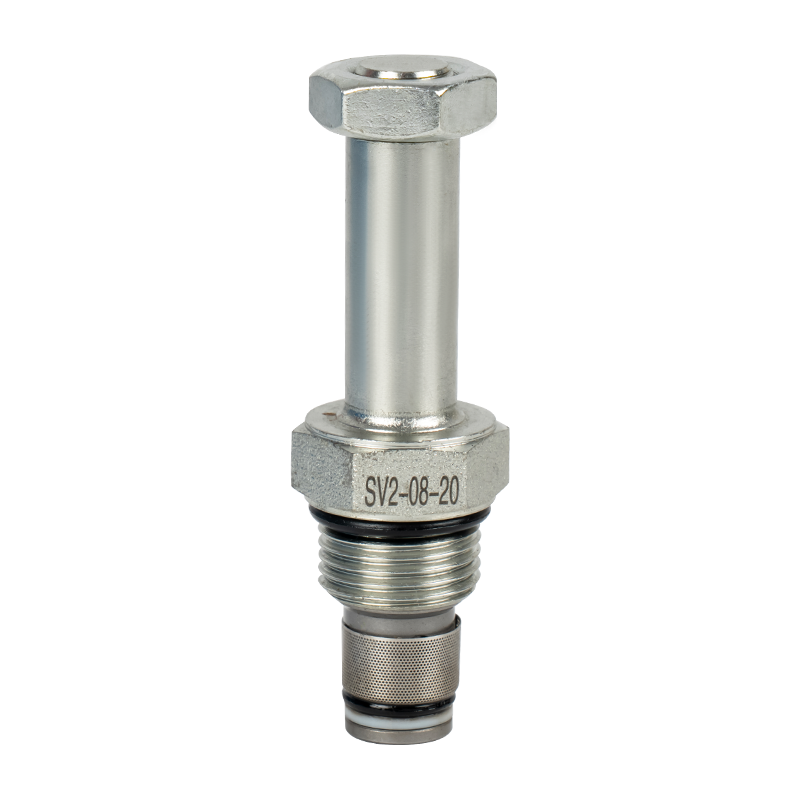
2-Way 2-Position Hydraulic Solenoid Cartridge Valve
-
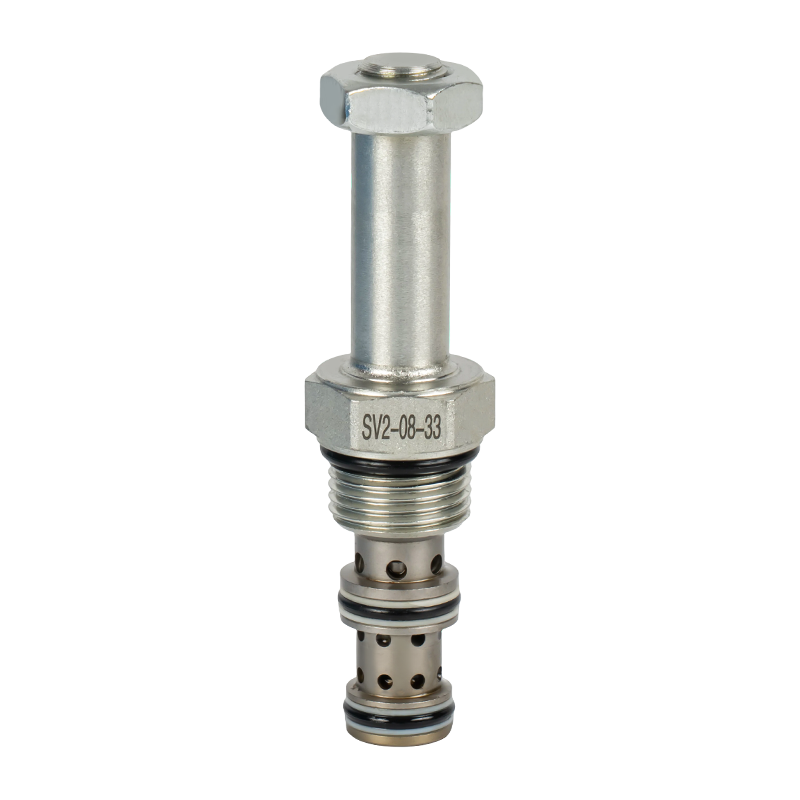
3-Way 2-Position Hydraulic Solenoid Cartridge Valve
-
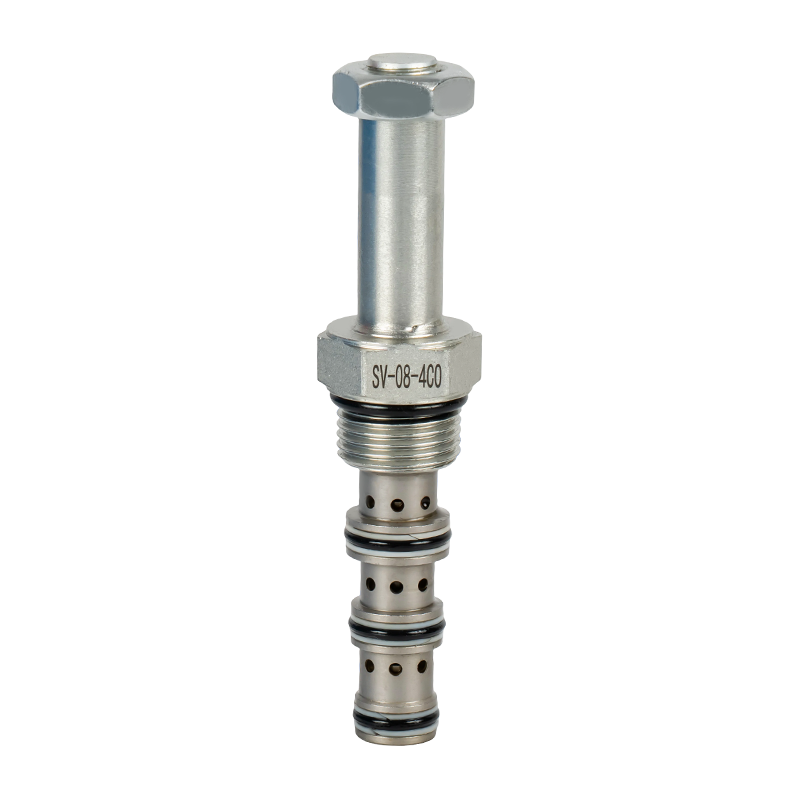
4-Way 2-Position Hydraulic Solenoid Cartridge Valve
-
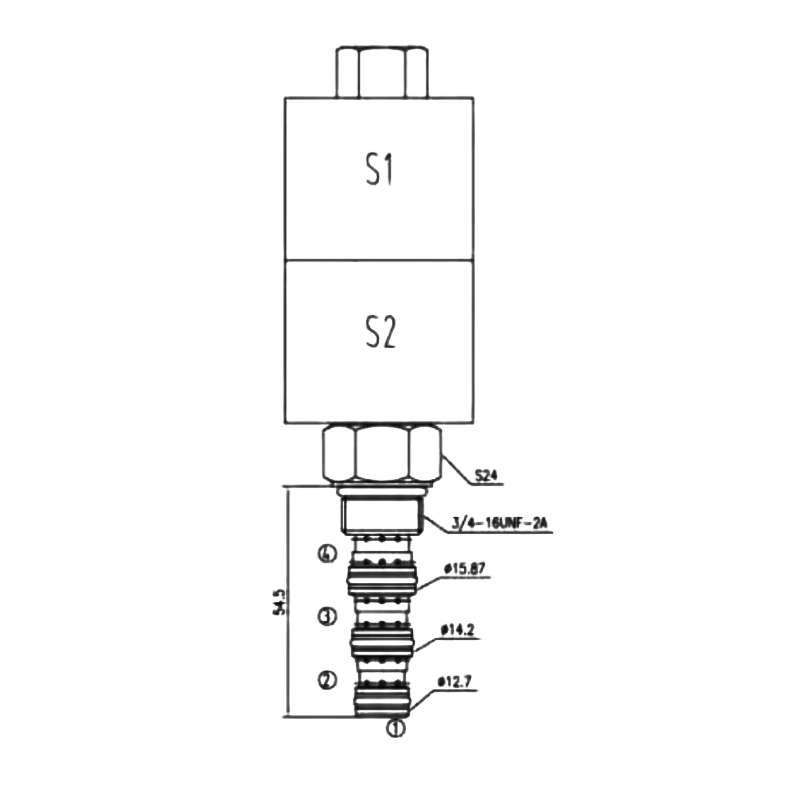
4-Way 3-Position Hydraulic Solenoid Cartridge Valve
-
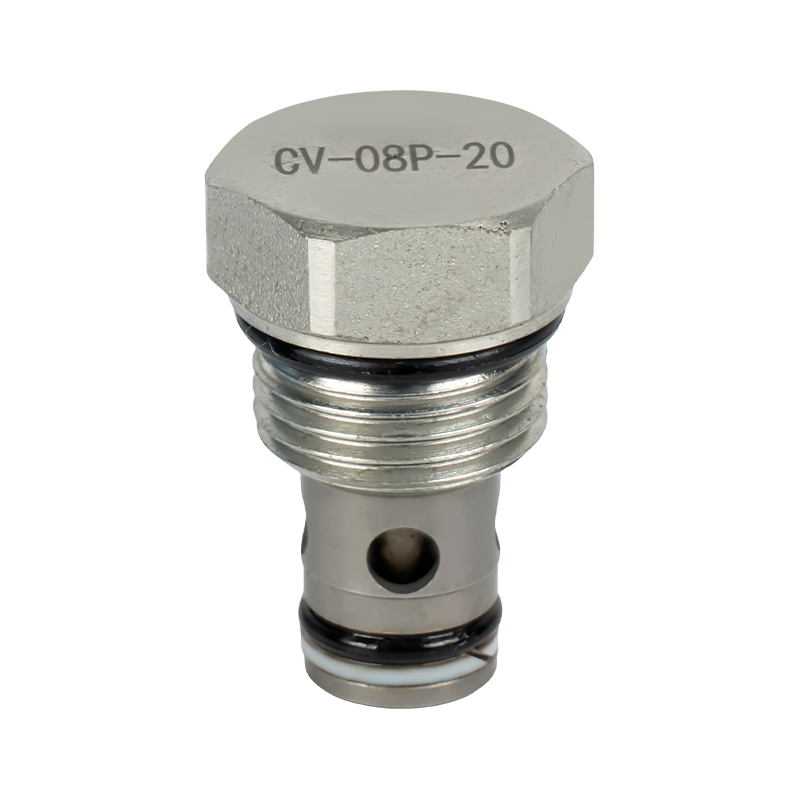
Hydraulic Cartridge Check Valve
-
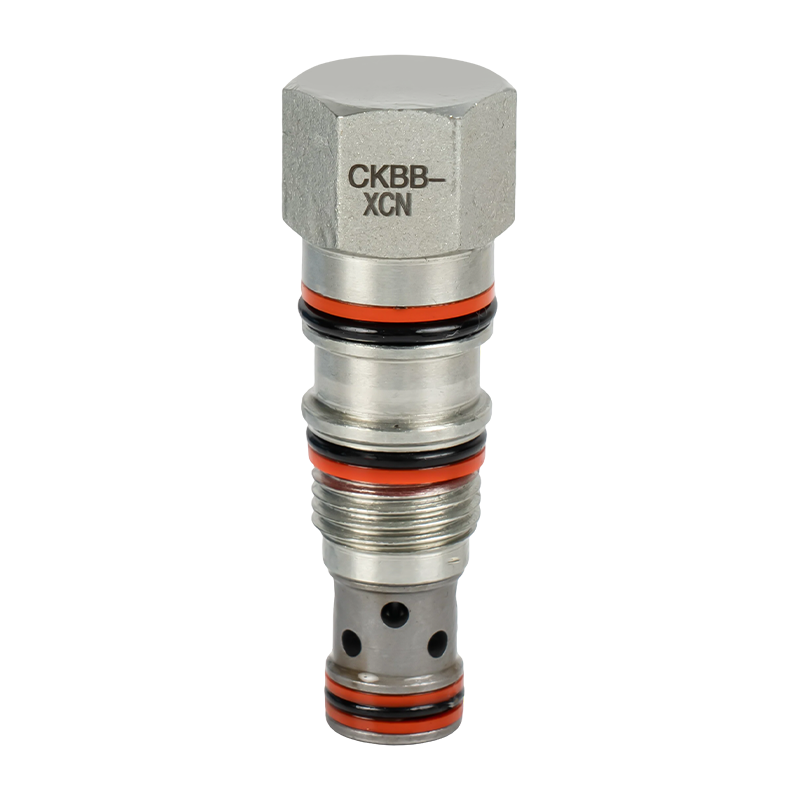
Hydraulic Pilot Operated Cartridge Check Valve
-
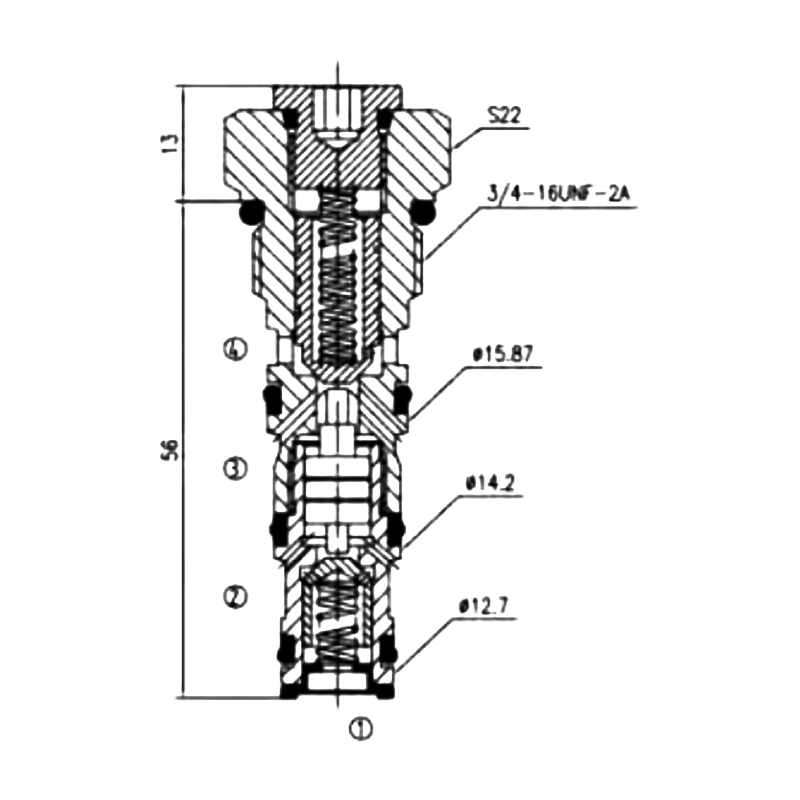
Dual Pilot Operated Check Valve
-

Hydraulic Cartridge Shuttle Valve
-
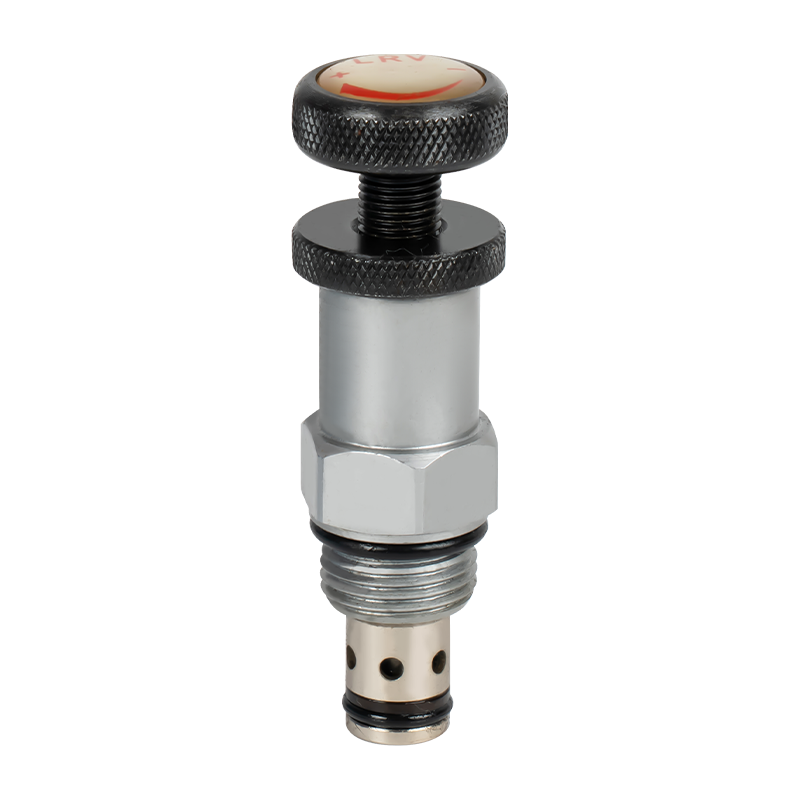
Direct Acting Poppet Relief Valve
-
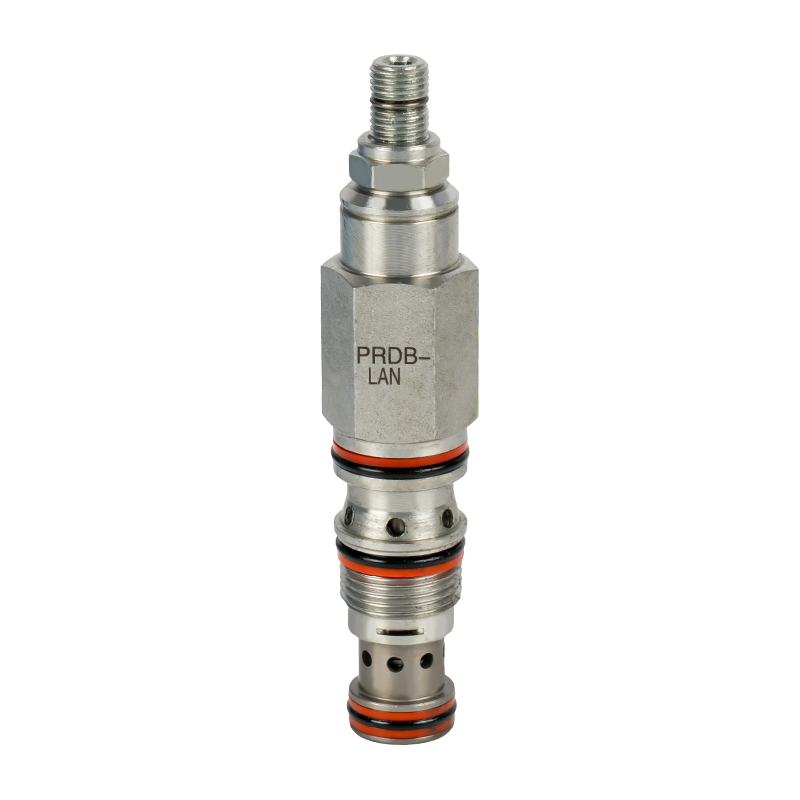
Pilot Operated Spool Pressure Reducing Valve
-
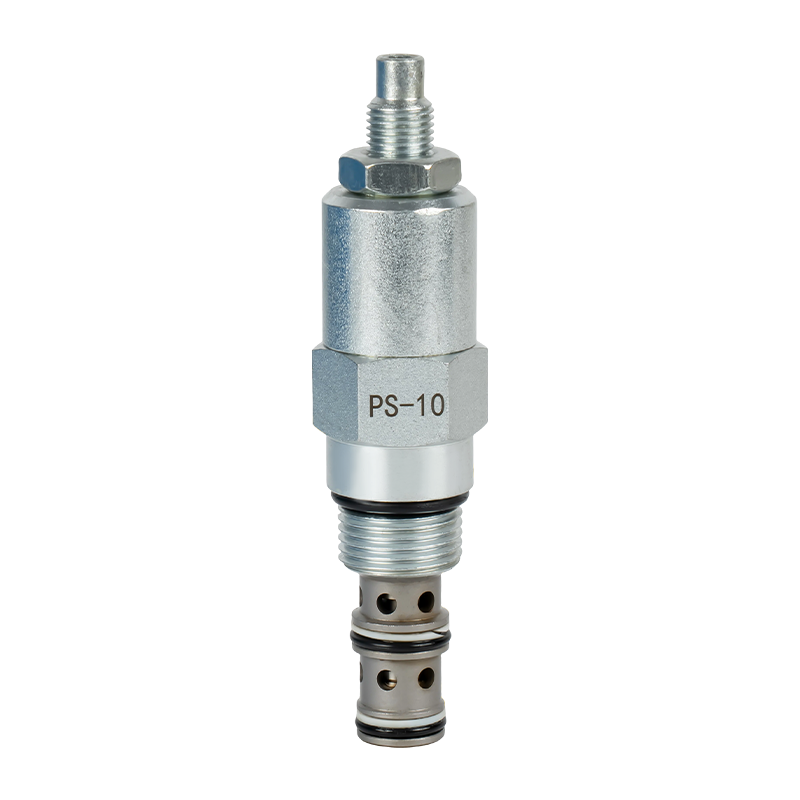
Direct Acting Spool Sequence Valve
-
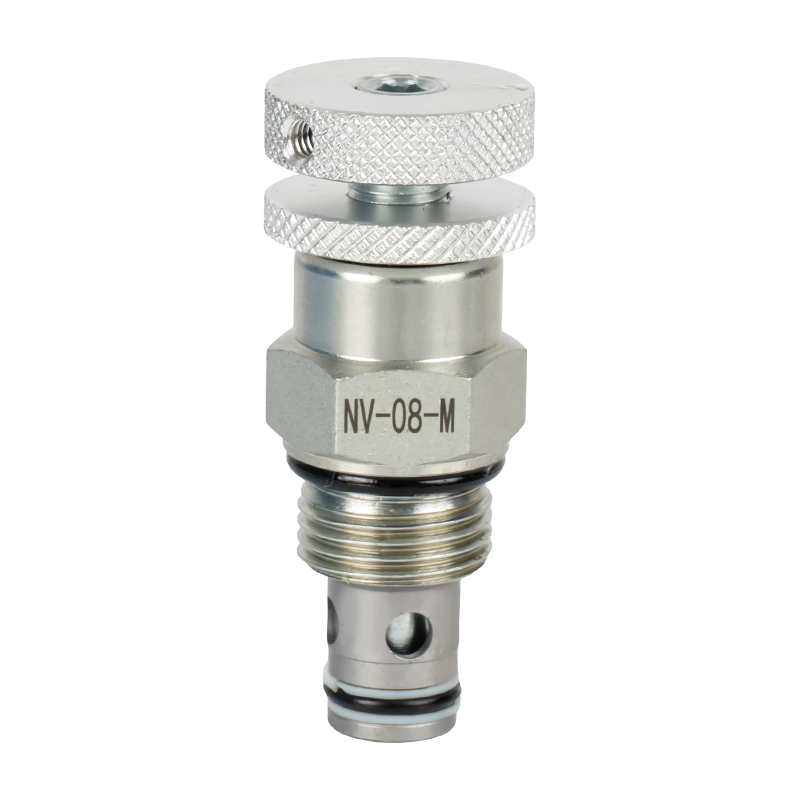
Adjustable Orifice Hydraulic Cartridge Needle Valve
Get In Touch
Follow Us
Quick Links
Product Category
Contact Us
- Phone: +86-18067156069
- Landline: +86-574-86458993
- E-mail: stars@china-stars.com.cn
Copyright © Ningbo Stars Hydraulic Co., Ltd. All Rights Reserved.
