 en
en
Industry News
May 18,2025
How do you install a hydraulic cartridge valve?
Cartridge valves play a very important role in industrial applications, and their proper installation is crucial for ensuring the safe and stable operation of equipment and improving production efficiency. Before installing a cartridge valve, it is necessary to understand the valve’s type, characteristics, and installation requirements to ensure correct installation and stable operation. The following is a guide to installing hydraulic cartridge valves:
1. Selecting the Appropriate Hydraulic Cartridge Valve
Before selecting a hydraulic cartridge valve, factors such as system pressure, flow rate, and operating environment must be considered to ensure the selected valve meets system requirements. Additionally, it is necessary to understand the valve’s characteristics and parameters, such as pressure rating, operating pressure, flow range, fluid type, and temperature range.
2. Inspecting the Operating Condition of the Low-Pressure Cartridge Valve
Before installing the hydraulic cartridge valve, inspect its exterior for damage, verify that all components are present, and check that the valve body and valve operate normally—ensuring the valve is not stuck or damaged. If any issues are found, replace or repair the valve promptly.
3. Prepare Installation Equipment
Before installing the hydraulic cartridge valve, clean the work area and prepare the necessary tools and materials, such as wrenches, pipe clamps, sealant, and pipe cleaner.
4. Installing the Hydraulic Cartridge Valve
Before installing the hydraulic cartridge valve, determine its installation position and orientation, and secure it to the pipe using a wrench or pipe clamps. Ensure that the installation position matches the pipe connection and that the valve is oriented correctly within the pipe. After installation, check for leaks.
5. Conducting System Testing
After completing the installation of the hydraulic cartridge valve, test the system to ensure stability. First, verify that the piping and cartridge valve are installed correctly and inspect the joints between the piping and the cartridge valve to ensure they are intact. Next, open the system valves to ensure stable flow and pressure, and observe whether the hydraulic cartridge valve is functioning properly.
6. Maintaining Hydraulic Cartridge Valves
To ensure the proper operation of hydraulic cartridge valves, they must be maintained and inspected regularly. Periodically check the connections between the hydraulic cartridge valves and the piping for leaks, remove any deposits or dirt, and replace any damaged components or seals.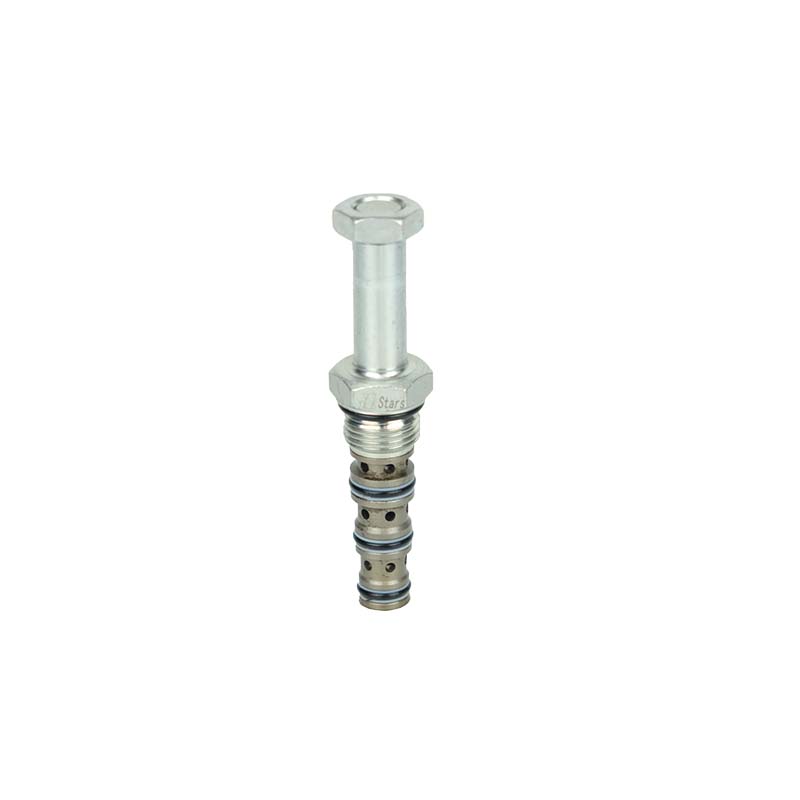
RELATED PRODUCTS
-
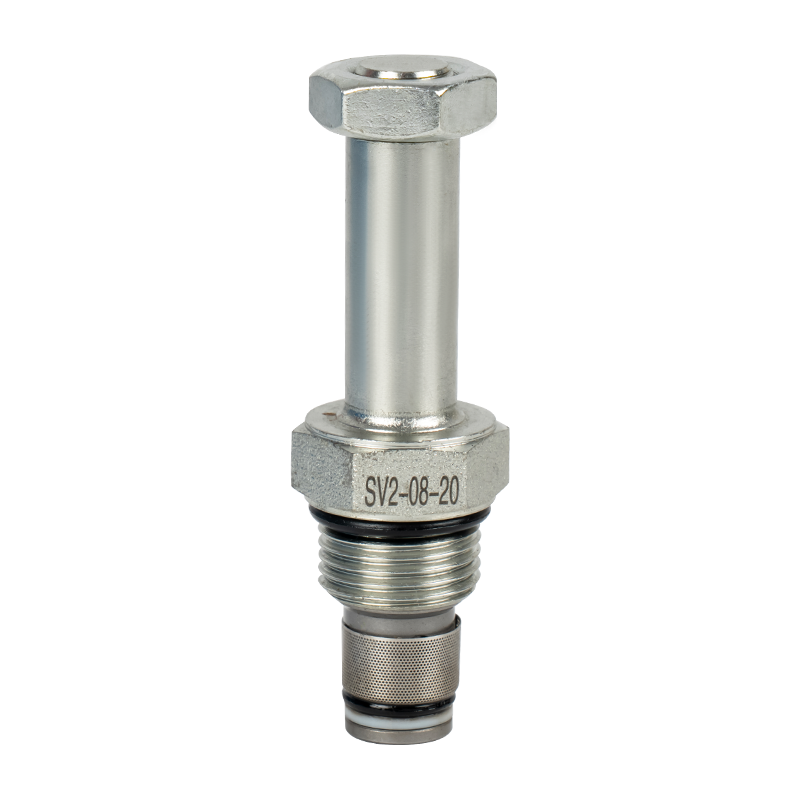
2-Way 2-Position Hydraulic Solenoid Cartridge Valve
-
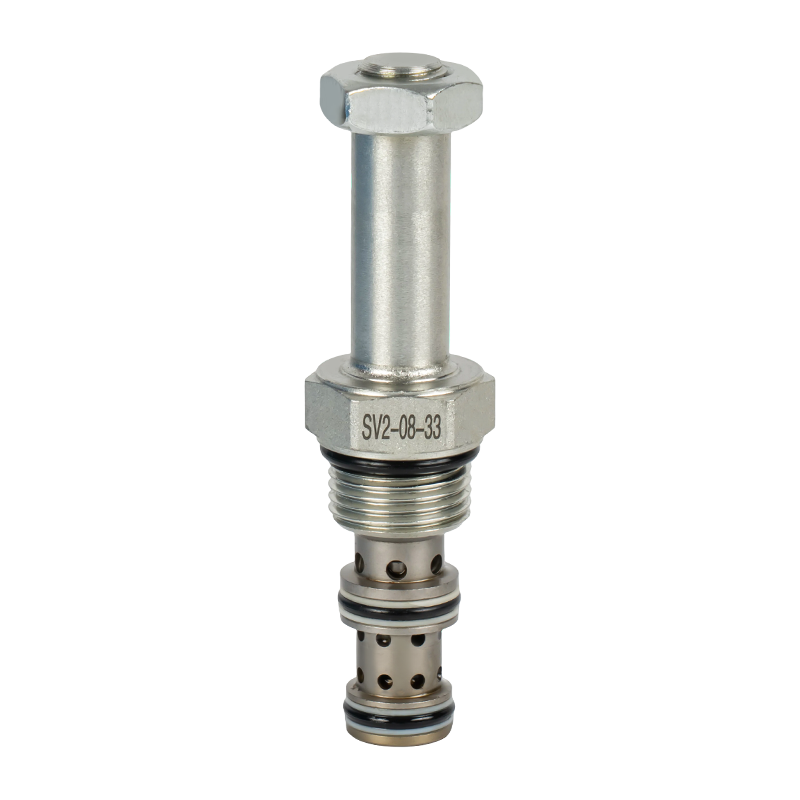
3-Way 2-Position Hydraulic Solenoid Cartridge Valve
-
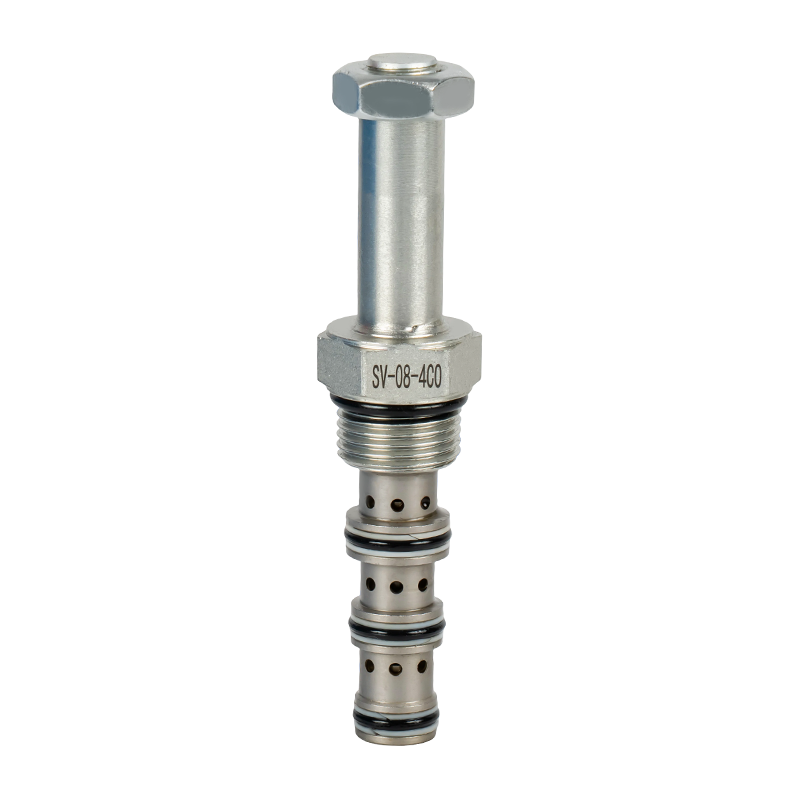
4-Way 2-Position Hydraulic Solenoid Cartridge Valve
-
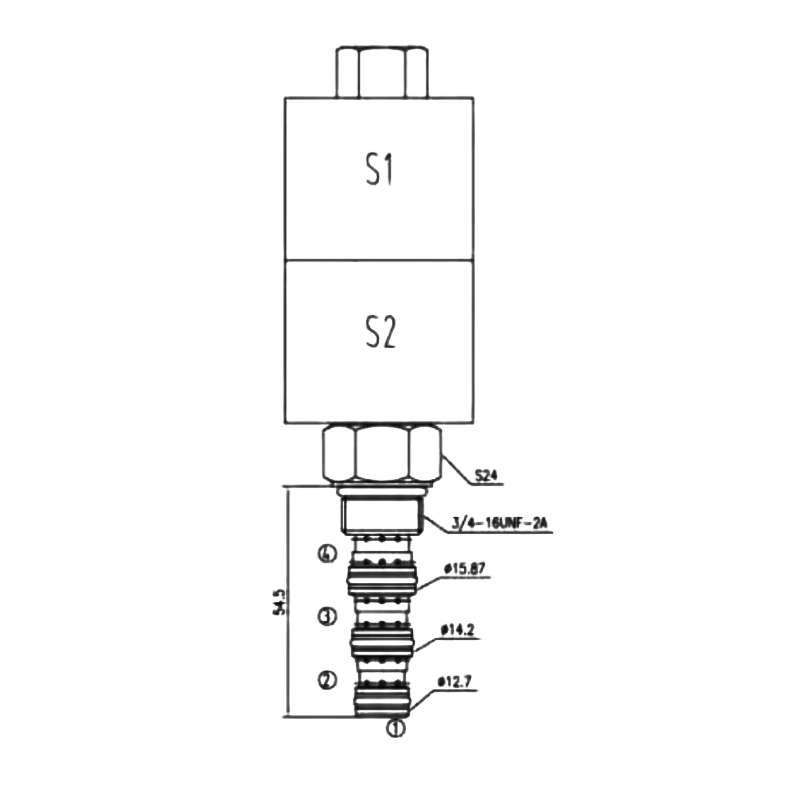
4-Way 3-Position Hydraulic Solenoid Cartridge Valve
-
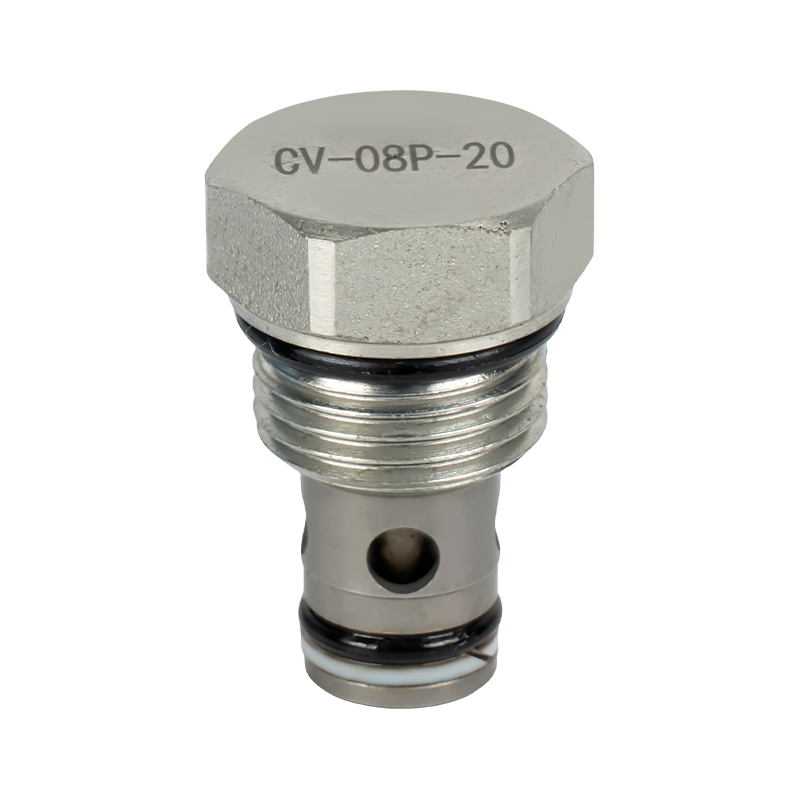
Hydraulic Cartridge Check Valve
-
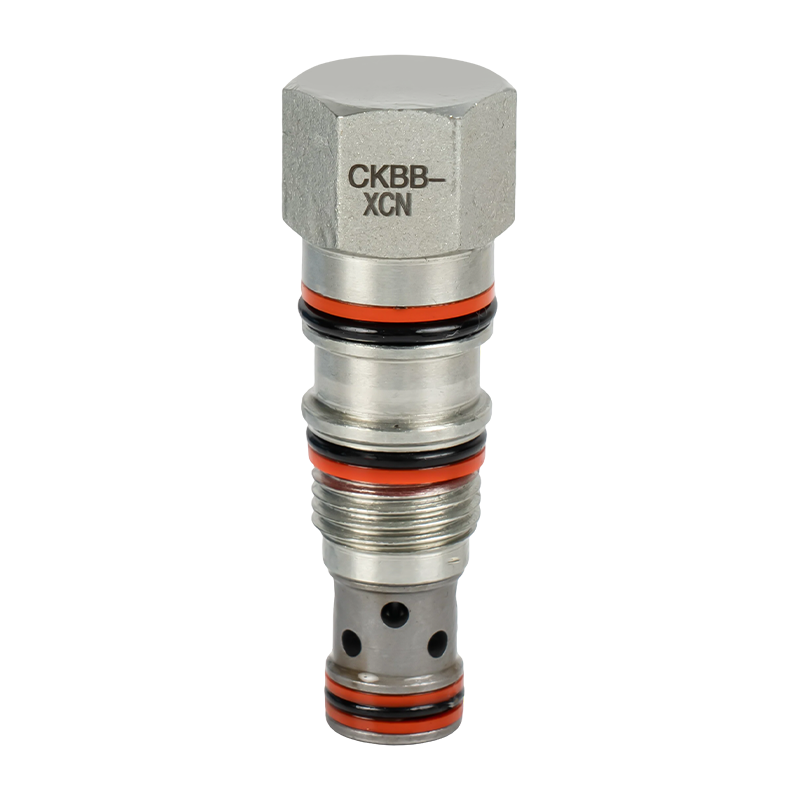
Hydraulic Pilot Operated Cartridge Check Valve
-
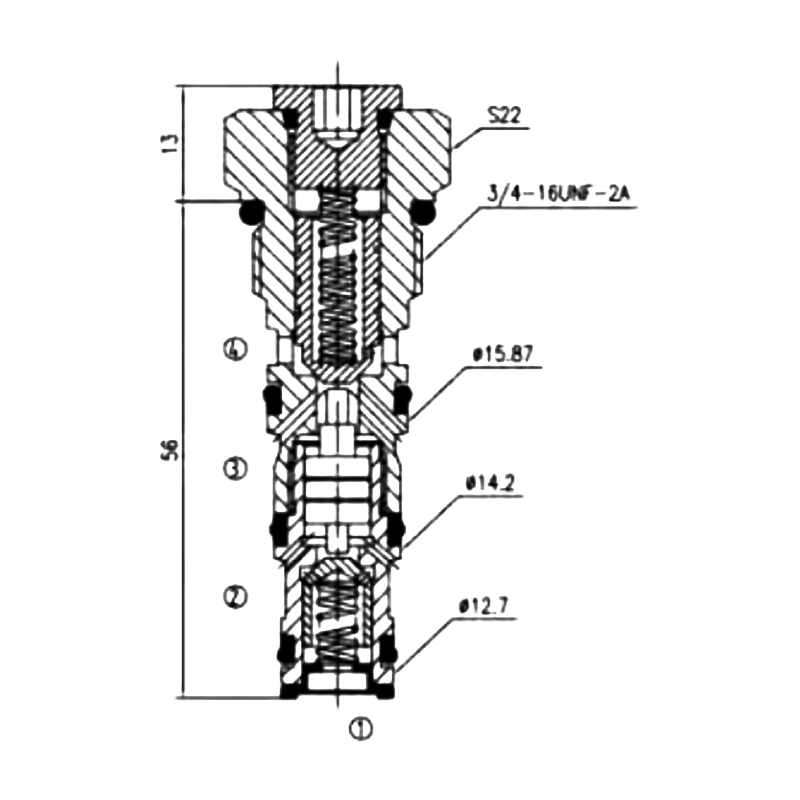
Dual Pilot Operated Check Valve
-

Hydraulic Cartridge Shuttle Valve
-
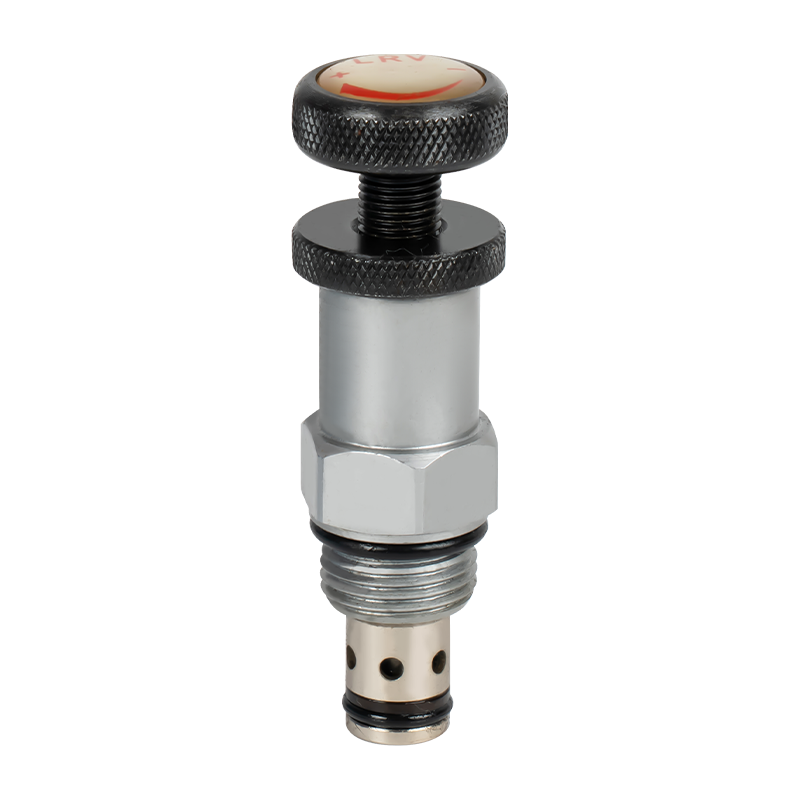
Direct Acting Poppet Relief Valve
-
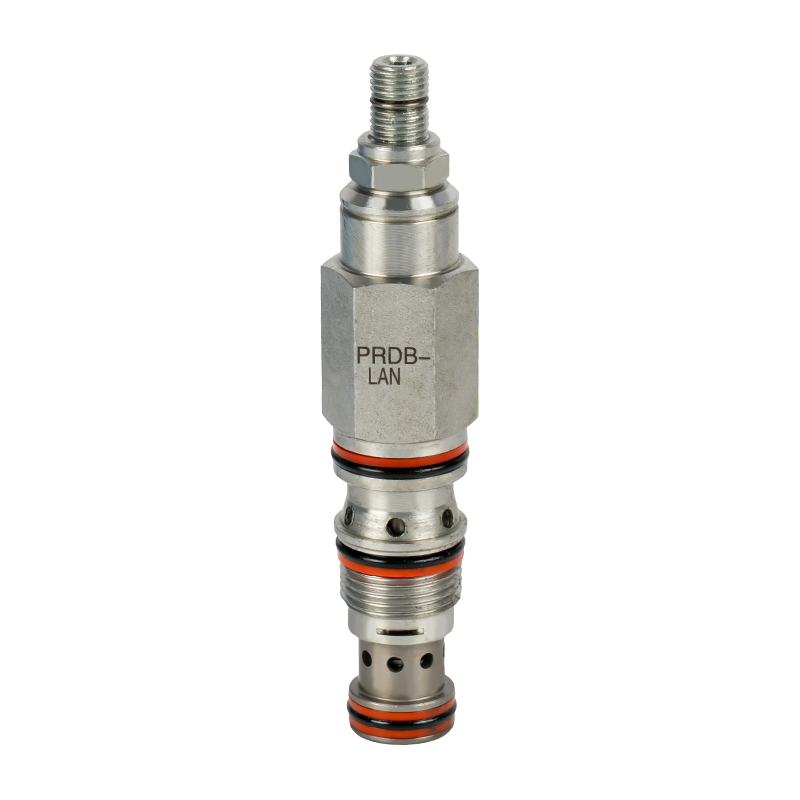
Pilot Operated Spool Pressure Reducing Valve
-
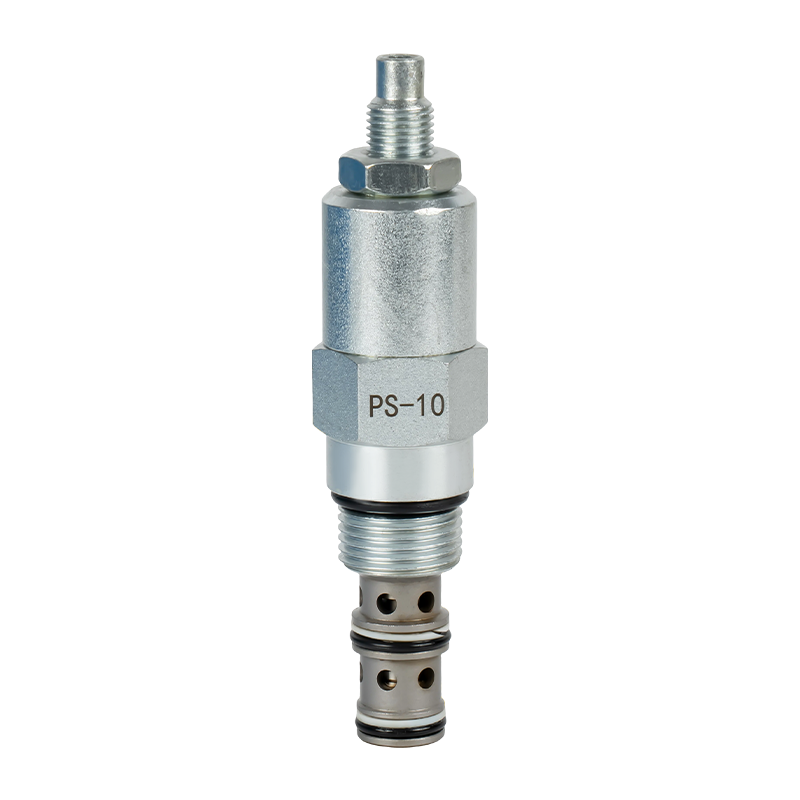
Direct Acting Spool Sequence Valve
-
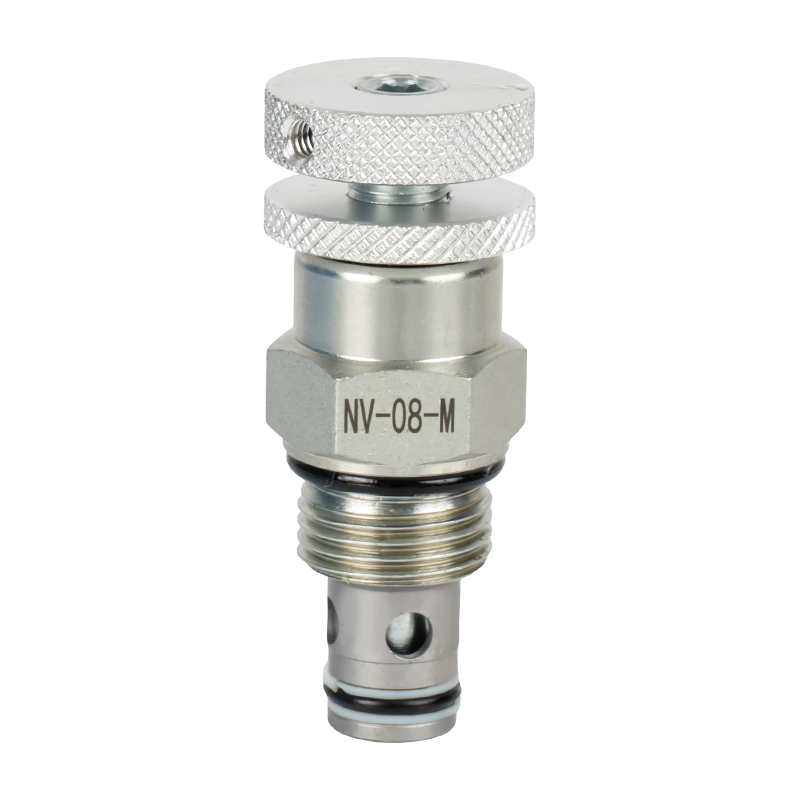
Adjustable Orifice Hydraulic Cartridge Needle Valve
Get In Touch
Follow Us
Quick Links
Product Category
Contact Us
- Phone: +86-18067156069
- Landline: +86-574-86458993
- E-mail: stars@china-stars.com.cn
Copyright © Ningbo Stars Hydraulic Co., Ltd. All Rights Reserved.
