 en
en Home / News and Blog / Industry News / How should hydraulic cartridge valves be maintained and serviced to ensure their reliability?

Industry News
May 08,2025
How should hydraulic cartridge valves be maintained and serviced to ensure their reliability?
Hydraulic cartridge valves are critical components in hydraulic systems; they control hydraulic flow, pressure, and direction to ensure the system operates properly.
Therefore, the care and maintenance of hydraulic cartridge valves are essential to the system’s reliability. Here are some recommendations for maintaining hydraulic cartridge valves to ensure their proper operation.
First, clean the hydraulic cartridge valves regularly. Cleaning helps prevent dust, dirt, and other contaminants from entering the valve body and seals, thereby preventing clogging or wear. Before cleaning the hydraulic cartridge valves, shut down the system, remove the valve body and seals, and wash them with a cleaning agent. Note: Do not use hard objects or steel wool to clean the valve body and seals to avoid damaging them.
Second, inspect the seals of the hydraulic cartridge valves. Worn or damaged seals can cause hydraulic leaks, which in turn affect the system’s efficiency and reliability. Therefore, inspect the valve seals regularly and replace any that are worn or damaged. It is recommended to use seals specified by the manufacturer to ensure they meet the required specifications and standards.
Third, the hydraulic fluid in the hydraulic cartridge valve also needs to be changed regularly. Used hydraulic fluid may accumulate contaminants, leading to valve clogging, poor sealing, or system leaks. To ensure the normal operation of the hydraulic cartridge valve, the hydraulic fluid must be changed regularly. Before changing the hydraulic fluid, clean the reservoir and oil lines thoroughly to prevent dirt and contaminants from mixing with the new hydraulic fluid.
Fourth, the installation of the hydraulic cartridge valve is also critical. Improper installation may result in valve leaks, poor sealing, or damage. Before installing a hydraulic cartridge valve, ensure that the sealing surfaces, sealing rings, and other components are clean, and follow the manufacturer’s instructions for proper installation. Pay attention to the valve’s orientation to ensure correct installation and avoid unnecessary damage.
Finally, if any issues are detected with a threaded cartridge valve, take immediate action to resolve them. Ignoring faults in hydraulic cartridge valves may lead to system downtime and result in production losses.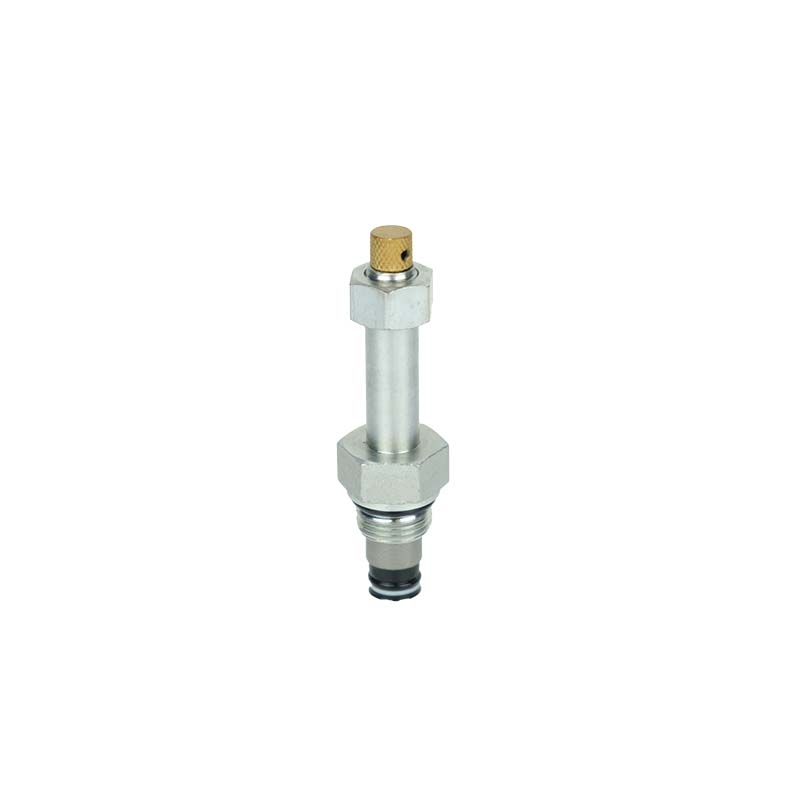
RELATED PRODUCTS
-
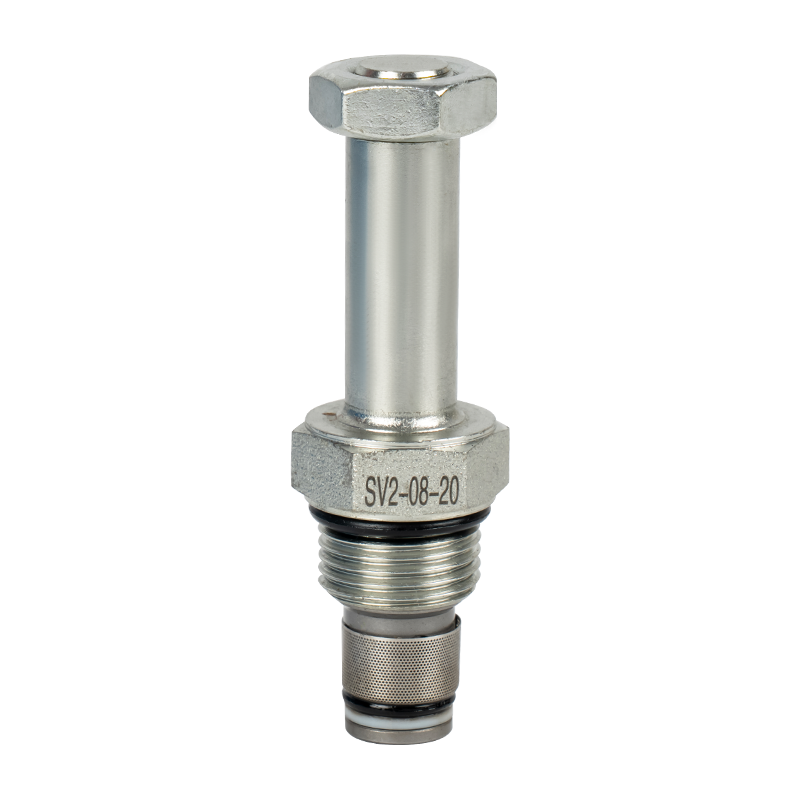
2-Way 2-Position Hydraulic Solenoid Cartridge Valve
-
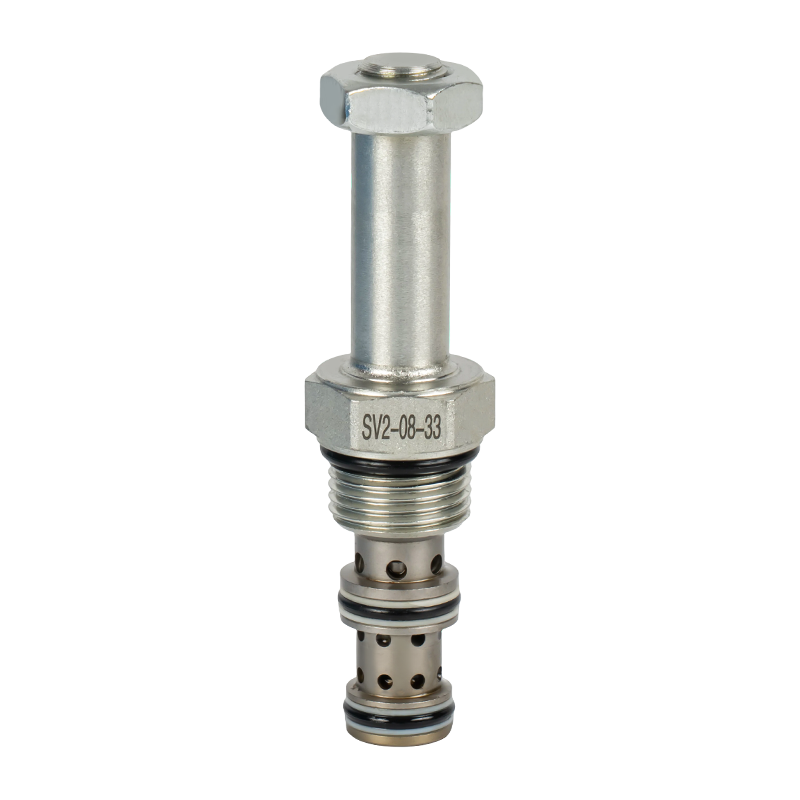
3-Way 2-Position Hydraulic Solenoid Cartridge Valve
-
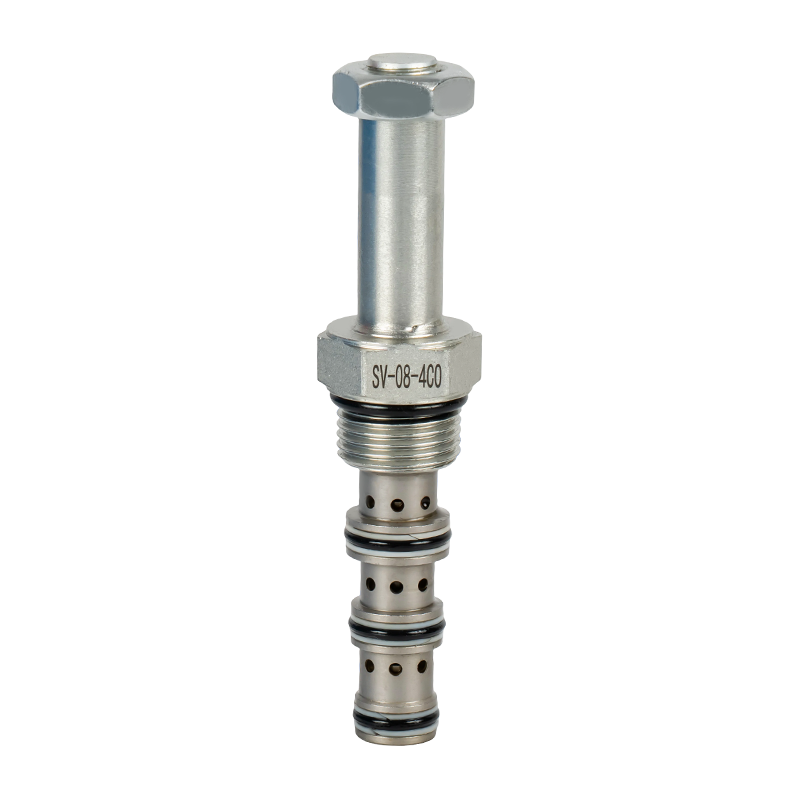
4-Way 2-Position Hydraulic Solenoid Cartridge Valve
-
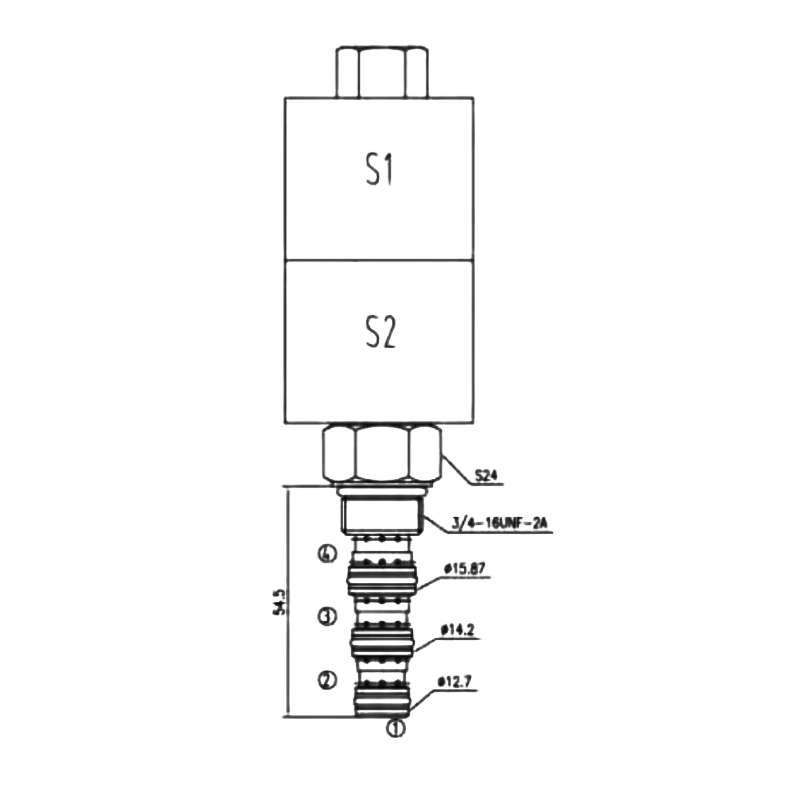
4-Way 3-Position Hydraulic Solenoid Cartridge Valve
-
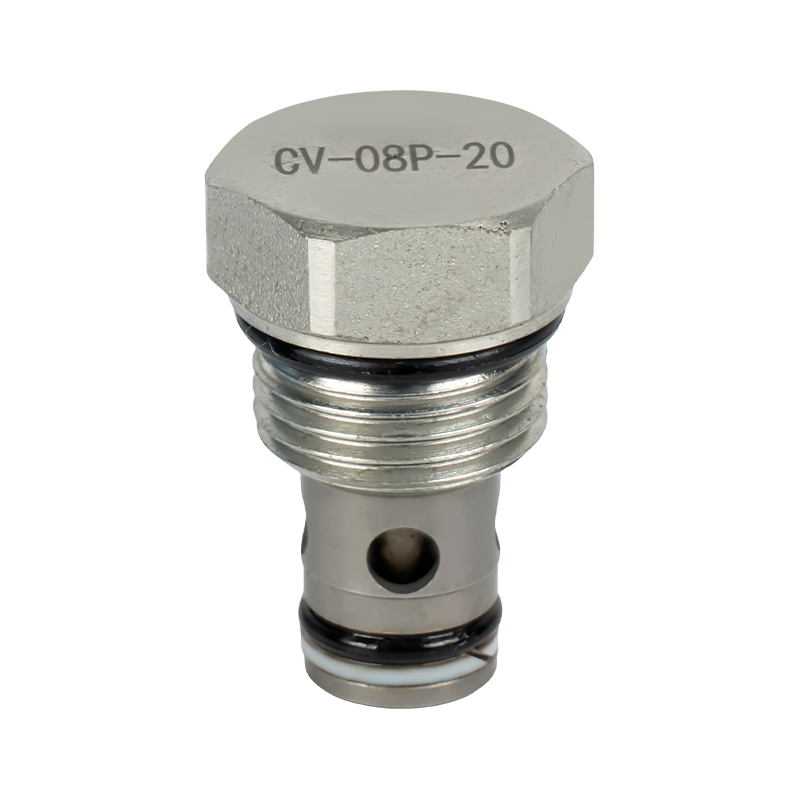
Hydraulic Cartridge Check Valve
-
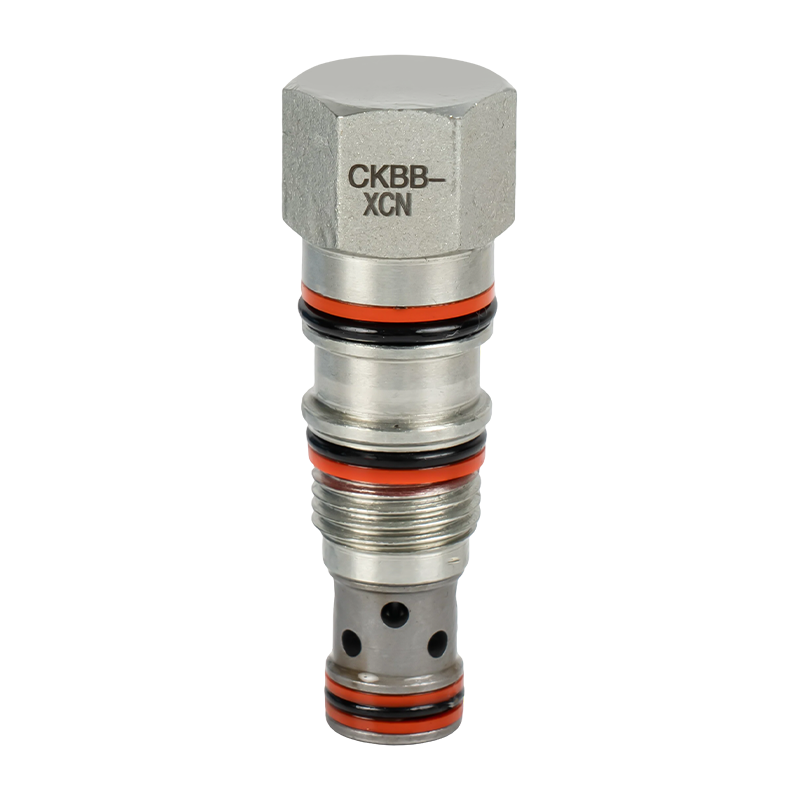
Hydraulic Pilot Operated Cartridge Check Valve
-
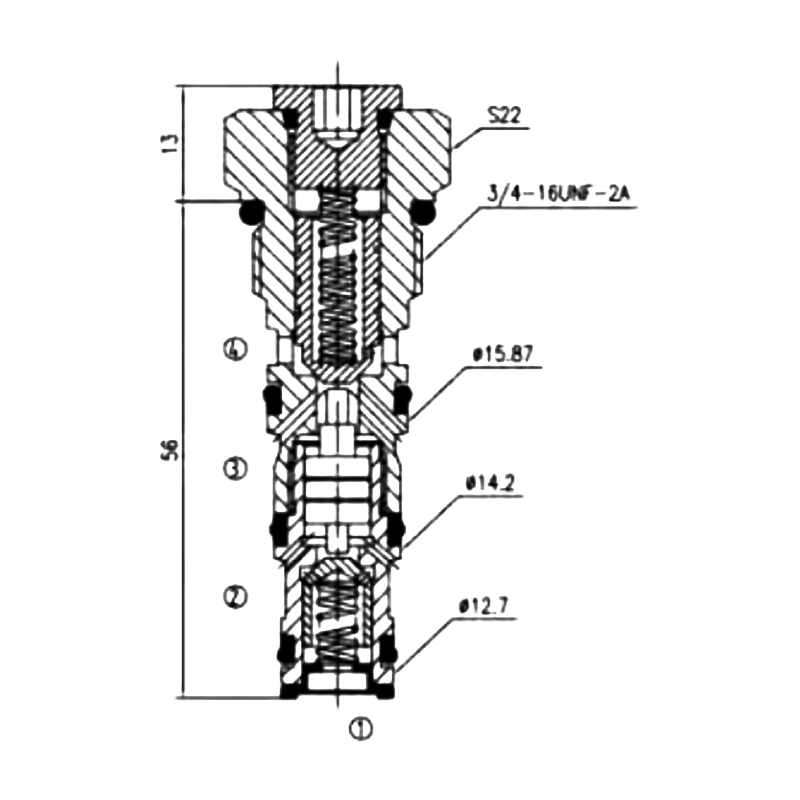
Dual Pilot Operated Check Valve
-

Hydraulic Cartridge Shuttle Valve
-
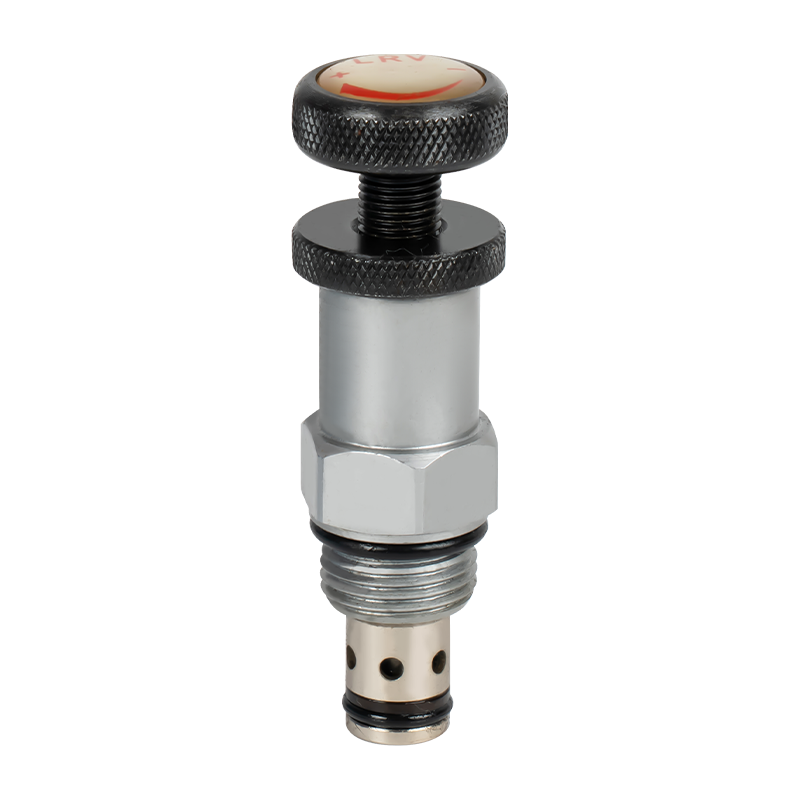
Direct Acting Poppet Relief Valve
-
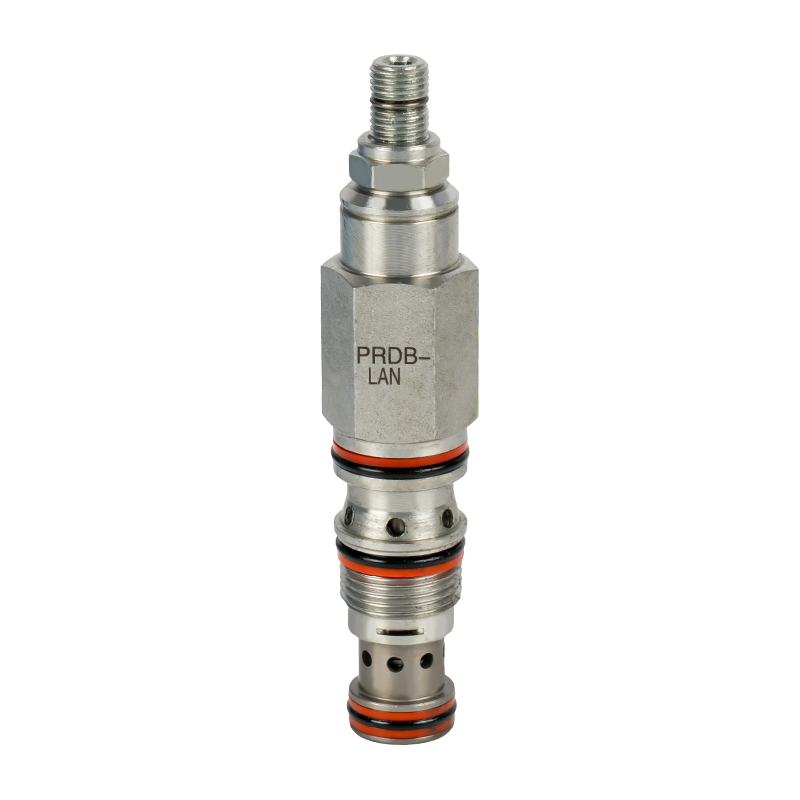
Pilot Operated Spool Pressure Reducing Valve
-
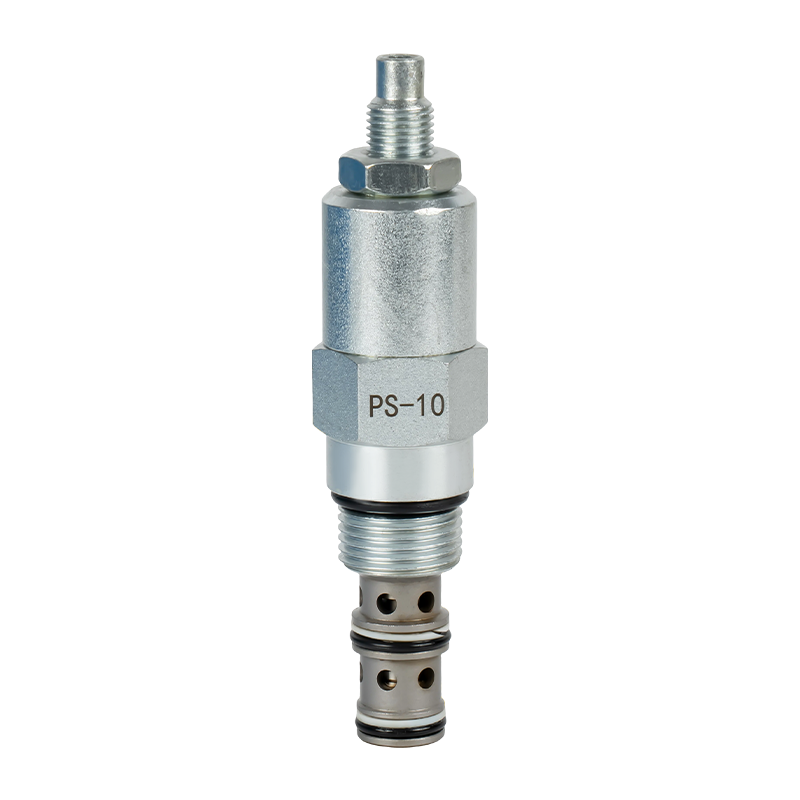
Direct Acting Spool Sequence Valve
-
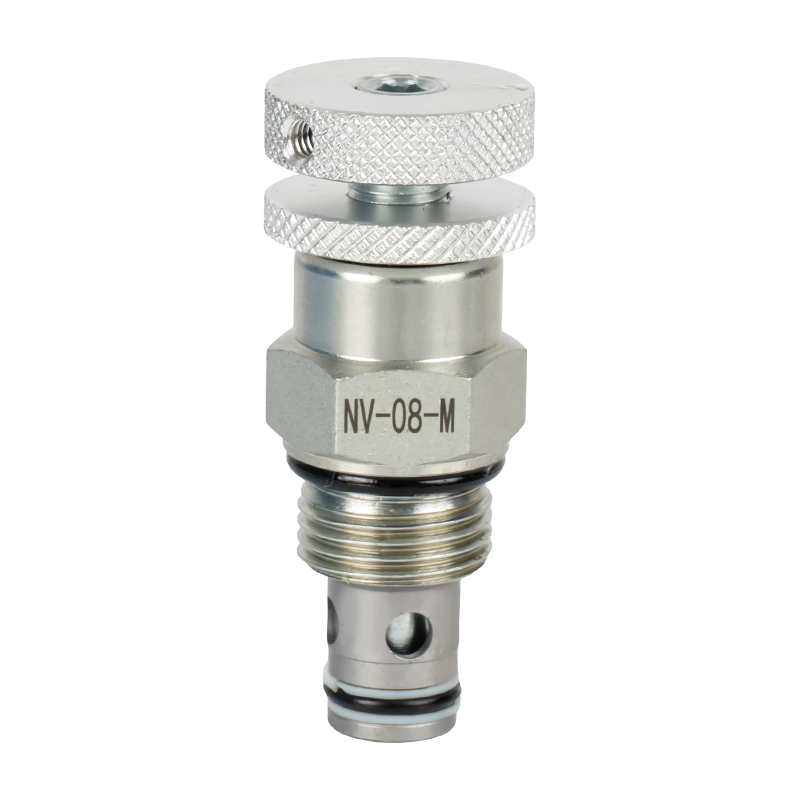
Adjustable Orifice Hydraulic Cartridge Needle Valve
Get In Touch
Follow Us
Quick Links
Product Category
Contact Us
- Phone: +86-18067156069
- Landline: +86-574-86458993
- E-mail: stars@china-stars.com.cn
Copyright © Ningbo Stars Hydraulic Co., Ltd. All Rights Reserved.
