 en
en Home / News and Blog / Industry News / How Hydraulic Cartridge Valves Work: An In-Depth Look at How They Function

Industry News
Nov 16,2024
How Hydraulic Cartridge Valves Work: An In-Depth Look at How They Function
A cartridge valve is a type of control valve used in hydraulic systems to regulate flow, pressure, and direction.
The operating principle of a hydraulic cartridge valve is similar to that of a typical hydraulic control valve; it primarily controls the hydraulic system by adjusting the clearance between the spool and the seat.
Hydraulic cartridge valves typically consist of a valve body, spool, spring, seals, and other components. When hydraulic fluid enters the valve body, pressure acts on the spool, causing it to move and thereby altering the clearance between the spool and the seat, which regulates the flow and pressure of the hydraulic system. When the spool reaches a certain position, the hydraulic fluid enters the corresponding hydraulic circuit, thereby controlling the movement of the actuator.
The operating principle of hydraulic cartridge valves is similar to that of other types of hydraulic control valves, but they have some unique characteristics. First, hydraulic cartridge valves are typically installed in pipelines; they are compact and lightweight, making them suitable for confined spaces and systems with strict weight limitations. Second, hydraulic cartridge valves are capable of rapid on/off operation, enabling instantaneous flow control within the system and improving the system’s response speed and stability. Additionally, hydraulic cartridge valves offer high sealing performance and durability, allowing them to withstand harsh operating environments.
When selecting a hydraulic cartridge valve, the following factors should be considered:
Operating Pressure and Flow Rate: The hydraulic cartridge valve must be capable of withstanding the maximum pressure and flow rate in the hydraulic system while ensuring normal system operation.
Operating Temperature and Fluid: The hydraulic cartridge valve must be compatible with the operating temperature and fluid in the hydraulic system, maintaining good sealing performance and corrosion resistance.
Control Methods and Functions: The control methods and functions of hydraulic cartridge valves should match the requirements of the hydraulic system, such as flow control, pressure control, and directional control.
Installation Methods and Space Constraints: Hydraulic cartridge valves should be compatible with the hydraulic system’s installation methods and space constraints; they should be compact and lightweight, and allow for easy installation and maintenance.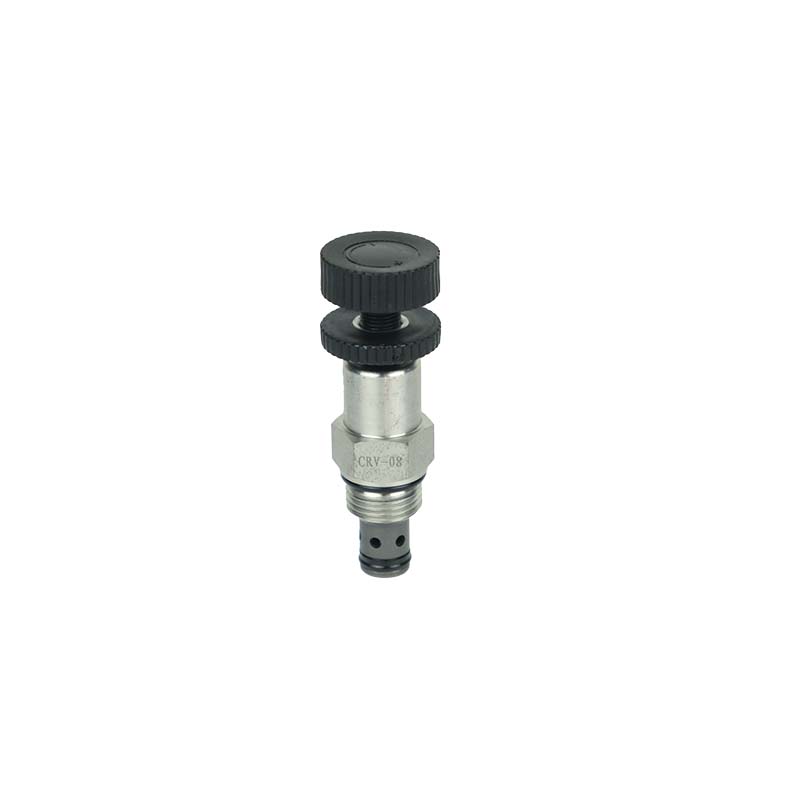
RELATED PRODUCTS
-
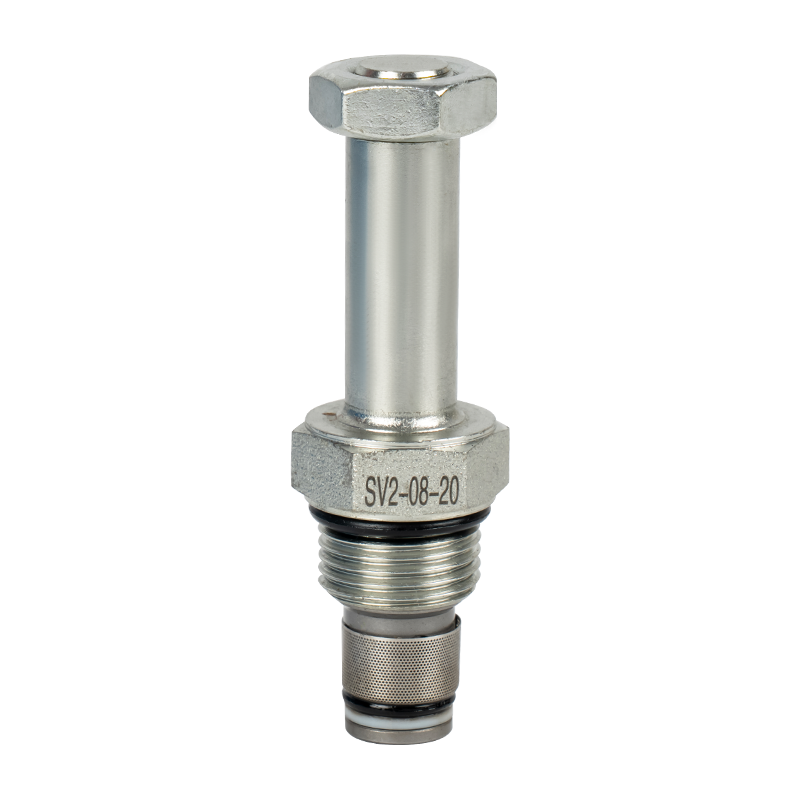
2-Way 2-Position Hydraulic Solenoid Cartridge Valve
-
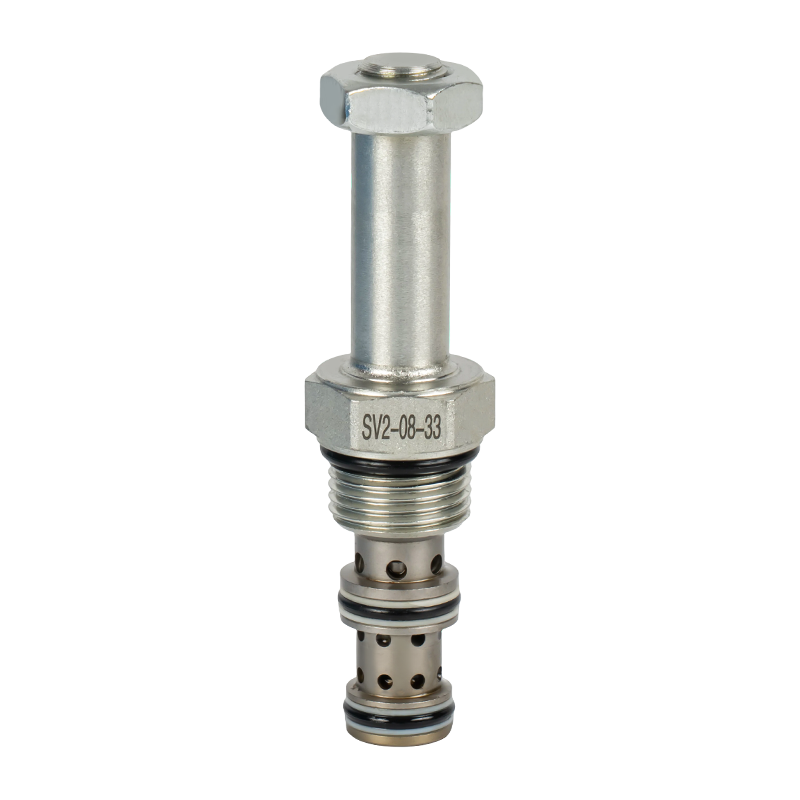
3-Way 2-Position Hydraulic Solenoid Cartridge Valve
-
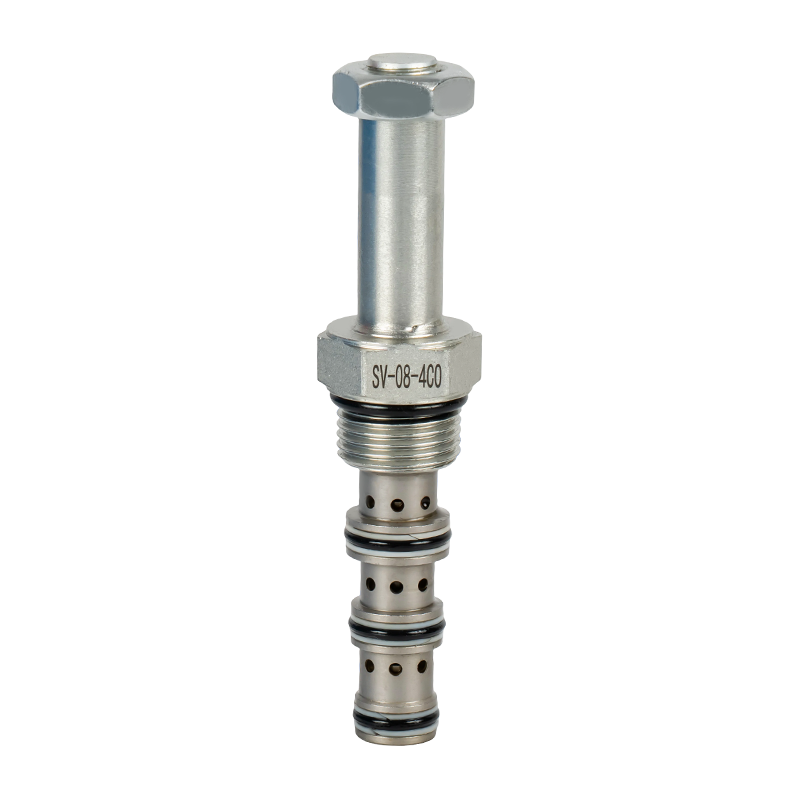
4-Way 2-Position Hydraulic Solenoid Cartridge Valve
-
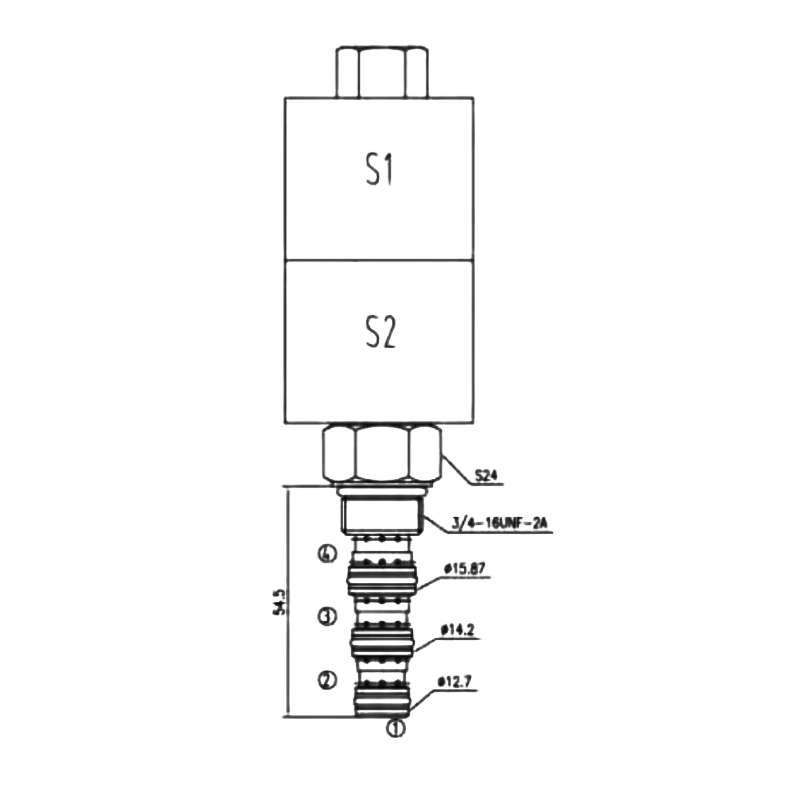
4-Way 3-Position Hydraulic Solenoid Cartridge Valve
-
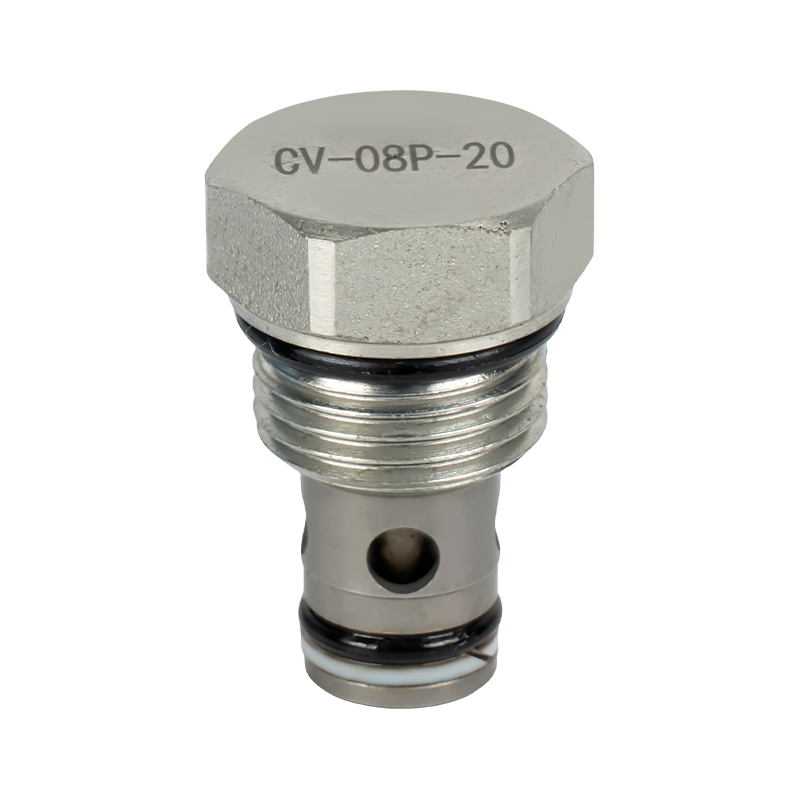
Hydraulic Cartridge Check Valve
-
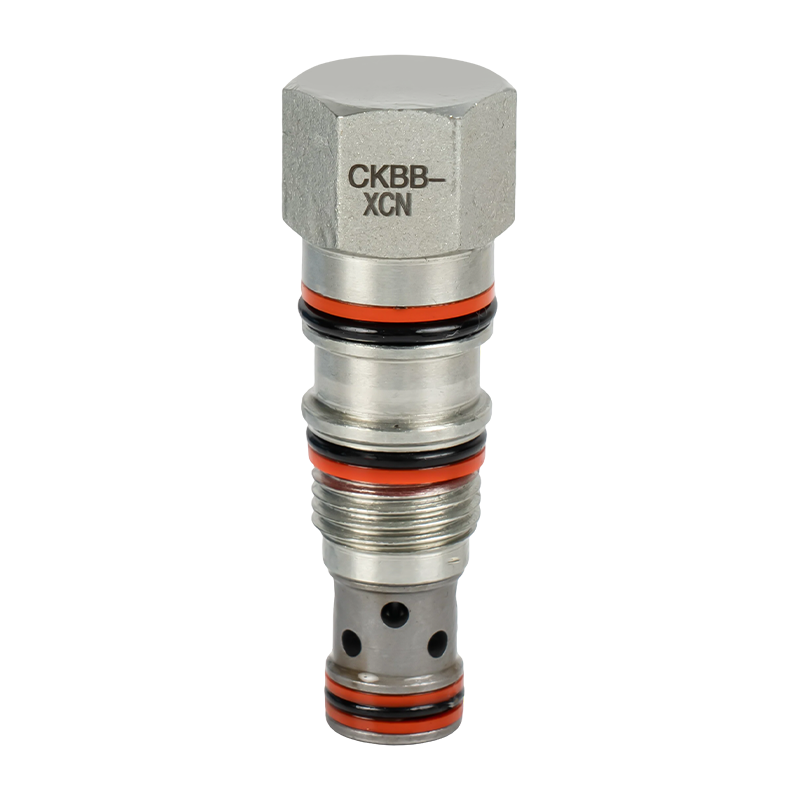
Hydraulic Pilot Operated Cartridge Check Valve
-
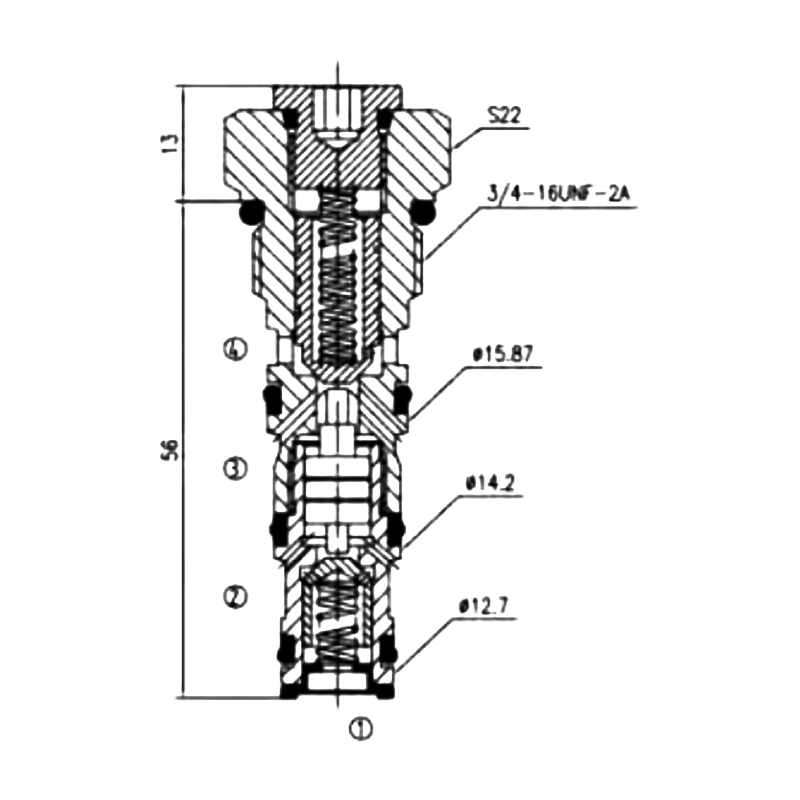
Dual Pilot Operated Check Valve
-

Hydraulic Cartridge Shuttle Valve
-
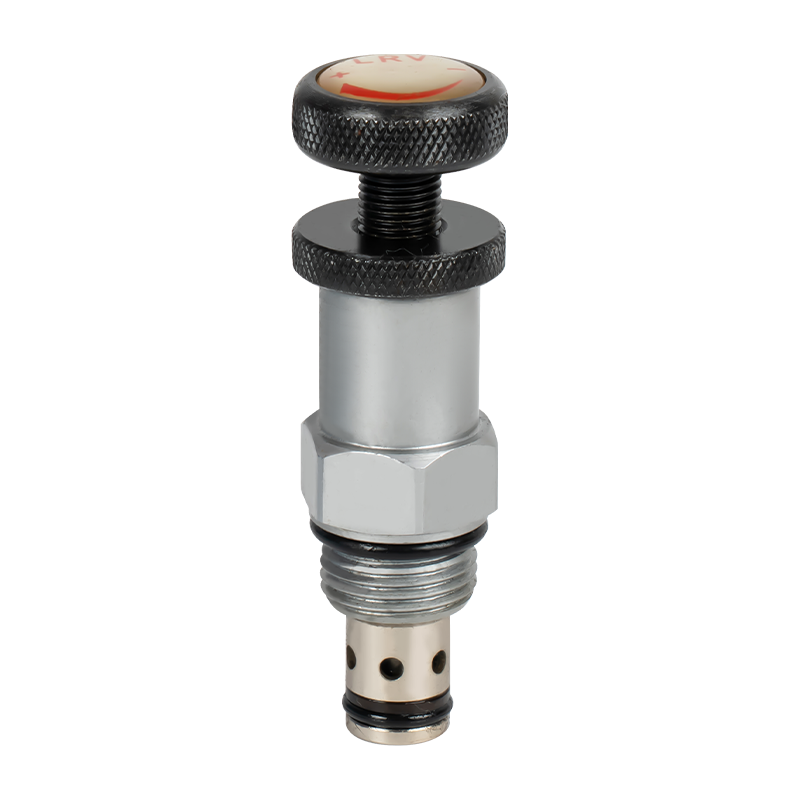
Direct Acting Poppet Relief Valve
-
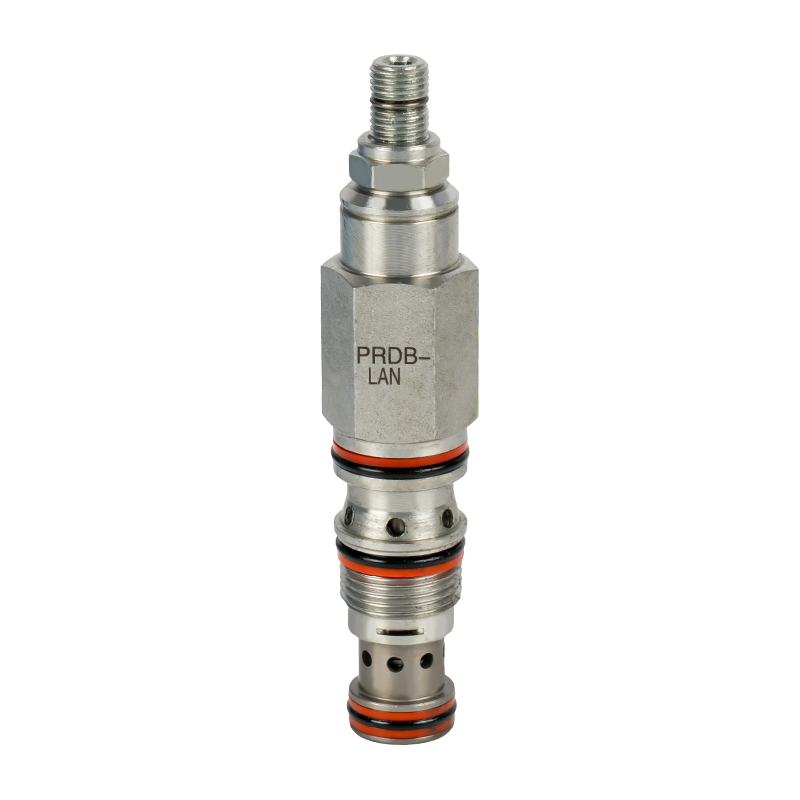
Pilot Operated Spool Pressure Reducing Valve
-
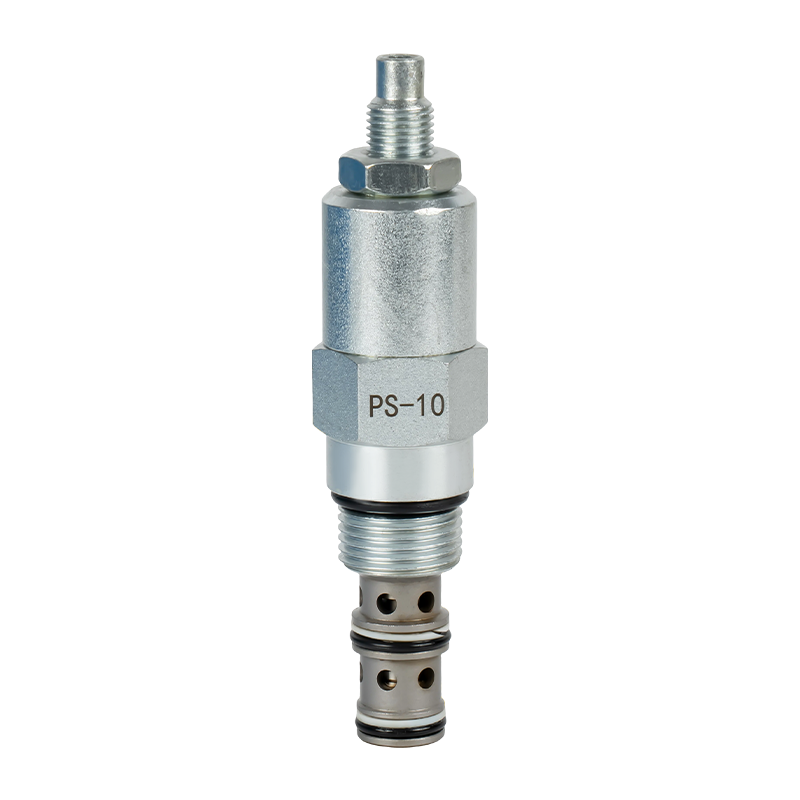
Direct Acting Spool Sequence Valve
-
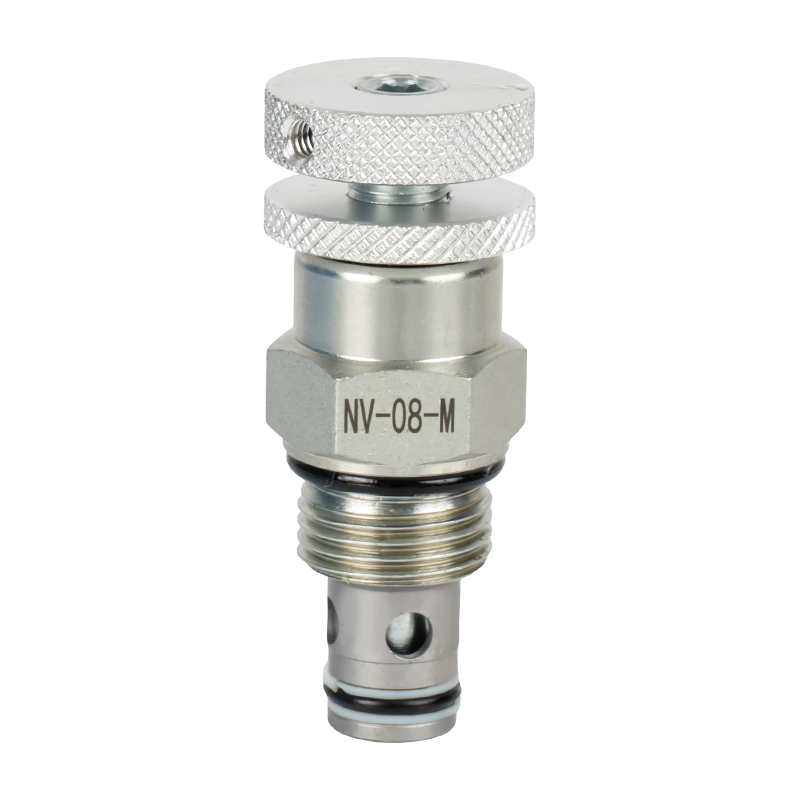
Adjustable Orifice Hydraulic Cartridge Needle Valve
Get In Touch
Follow Us
Quick Links
Product Category
Contact Us
- Phone: +86-18067156069
- Landline: +86-574-86458993
- E-mail: stars@china-stars.com.cn
Copyright © Ningbo Stars Hydraulic Co., Ltd. All Rights Reserved.
